
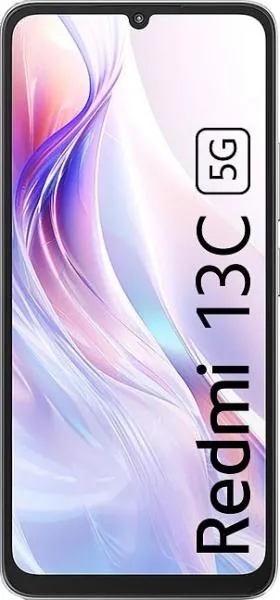
1. Specifications Comparison
| Feature | Realme C55 | Xiaomi Redmi 13C 5G | Practical Impact |
|---|---|---|---|
| Design | |||
| Dimensions (mm) | 165.6 x 75.9 x 7.9 | 168 x 78 x 8.1 | Redmi 13C is slightly larger and thicker. |
| Weight (g) | 189.5 | 192 | Negligible weight difference in real-world usage. |
| Display | |||
| Size (inches) | 6.72 | 6.74 | Redmi 13C has a marginally larger screen. |
| Resolution (pixels) | 1080 x 2400 | 720 x 1600 | C55 has a significantly sharper display (392 ppi vs 260 ppi), resulting in crisper text and images. |
| Refresh Rate (Hz) | 90 | 90 | Both offer smooth scrolling and animations. |
| Display Type | IPS LCD | IPS LCD | Similar display technology, but C55 boasts a higher peak brightness (680 nits vs 450 nits typical), making it more visible outdoors. |
| Performance | |||
| Chipset | Mediatek Helio G88 (12nm) | Mediatek Dimensity 6100+ (6nm) | Dimensity 6100+ is built on a smaller process node, offering better performance and power efficiency. |
| CPU | Octa-core (2x2.0 GHz Cortex-A75 & 6x1.8 GHz Cortex-A55) | Octa-core (2x2.2 GHz Cortex-A76 & 6x2.0 GHz Cortex-A55) | Redmi 13C has a more powerful CPU architecture, leading to faster app loading and multitasking. |
| GPU | Mali-G52 MC2 | Mali-G57 MC2 | Redmi 13C possesses a superior GPU, resulting in smoother gaming performance. |
| RAM (GB) | 6/8 | 4/6/8 | RAM options vary; more RAM improves multitasking. |
| Camera | |||
| Rear Camera (MP) | 64 + 2 | 50 + 0.8 | C55 has a higher resolution main sensor, but image quality depends on various factors beyond resolution. Redmi's secondary lens is practically useless. |
| Front Camera (MP) | 8 | 5 | C55 has a higher resolution front camera. |
| Video Recording | 1080p@30/60fps | 1080p@30fps | C55 offers 60fps recording for smoother videos. |
| Battery | |||
| Capacity (mAh) | 5000 | 5000 | Both have the same battery capacity. |
| Fast Charging (W) | 33 | 18 | C55 offers significantly faster charging. |
| Other | |||
| NFC | Yes | No | C55 supports contactless payments and data transfer via NFC. |
| 5G | No | Yes | Redmi 13C offers faster cellular data speeds where 5G is available. |
2. Key Differences Analysis
Realme C55 Advantages:
- Sharper Display: Higher resolution and brightness for better viewing experience.
- Faster Charging: Significantly quicker charging speeds.
- NFC: Enables contactless payments.
- 60fps Video Recording: Smoother video capture.
Xiaomi Redmi 13C 5G Advantages:
- More Powerful Processor: Better overall performance for demanding tasks and gaming.
- 5G Connectivity: Faster data speeds in areas with 5G coverage.
3. User Profiles & Recommendations
Realme C55: Suitable for users who prioritize display quality, fast charging, and NFC functionality for everyday tasks, social media, and casual gaming.
Xiaomi Redmi 13C 5G: Ideal for users who need better performance for gaming, multitasking, and future-proofing with 5G connectivity. Budget-conscious users who prioritize performance over other features.
4. Decision Framework
Key Questions for Buyers:
- Is 5G connectivity crucial? If yes, the Redmi 13C is the only option.
- How important is display quality? The C55 offers a noticeably sharper and brighter screen.
- What is your budget and usage pattern? The Redmi 13C provides better performance for a potentially lower price, while the C55 excels in other areas.
My Choice: Realme C55
While the Redmi 13C 5G offers a performance advantage and 5G, the significantly better display, faster charging, and NFC functionality of the Realme C55 make it a more compelling device for my needs. I value a crisp, bright screen for media consumption and everyday use, and the convenience of faster charging and NFC outweighs the benefits of 5G and slightly improved processing power in my usage scenario. The significantly lower resolution of the Redmi 13C would be a constant annoyance. I also don't currently have access to a 5G network so it is not a deciding factor.
