
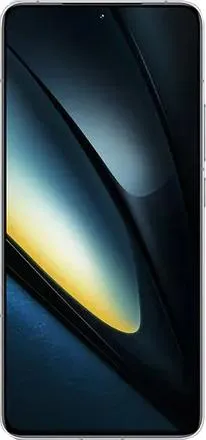
1. Specifications Comparison
| Feature | Realme C55 | Xiaomi Poco F6 Pro | Practical Impact |
|---|---|---|---|
| Design | |||
| Dimensions (mm) | 165.6 x 75.9 x 7.9 | 160.9 x 75 x 8.2 | Poco F6 Pro is slightly shorter and wider, but thicker. Negligible difference in everyday use. |
| Weight (g) | 189.5 | 209 | Poco F6 Pro is noticeably heavier, potentially impacting one-handed use. |
| Build Material | Not specified | Not specified | Cannot compare build quality and durability without material information. |
| Display | |||
| Display Type | IPS LCD | AMOLED | Poco F6 Pro offers deeper blacks, more vibrant colors, and better power efficiency due to AMOLED technology. |
| Display Size (inches) | 6.72 | 6.67 | Negligible difference in screen real estate. |
| Resolution | 1080 x 2400 | 1440 x 3200 | Poco F6 Pro offers significantly sharper visuals due to higher resolution (QHD+ vs. FHD+). |
| Refresh Rate (Hz) | 90 | 120 | Poco F6 Pro provides smoother scrolling and animations thanks to the higher refresh rate. |
| Peak Brightness (nits) | 680 | 4000 | Poco F6 Pro offers far superior outdoor visibility in bright sunlight. |
| HDR | No | HDR10+, Dolby Vision | Poco F6 Pro supports HDR content, resulting in a more dynamic and immersive viewing experience. |
| Performance | |||
| Chipset | Mediatek Helio G88 (12nm) | Qualcomm Snapdragon 8 Gen 2 (4nm) | Poco F6 Pro boasts significantly faster processing speeds and improved power efficiency due to the flagship Snapdragon chip and smaller manufacturing process. |
| CPU | Octa-core (2x2.0 GHz A75 & 6x1.8 GHz A55) | Octa-core (1x3.2 GHz X3 & 2x2.8 GHz A715 & 2x2.8 GHz A710 & 3x2.0 GHz A510) | Poco F6 Pro's CPU offers superior performance in demanding tasks and multitasking. |
| GPU | Mali-G52 MC2 | Adreno 740 | Poco F6 Pro offers a vastly superior gaming experience and smoother graphics rendering due to its more powerful GPU. |
| RAM | 6GB/8GB | 12GB/16GB | Poco F6 Pro offers significantly more RAM enabling smoother multitasking and handling of demanding applications. |
| Camera | |||
| Main Camera (MP) | 64 | 50 | While Realme has higher megapixel count, sensor size and other factors influence image quality, which cannot be assessed with the provided data. |
| Ultrawide (MP) | No | 8 | Poco F6 Pro offers ultrawide photography capabilities, expanding creative possibilities. |
| Video Recording | 1080p@60fps | 8K@24fps | Poco F6 Pro offers significantly higher video resolution and frame rate options. |
| Battery | |||
| Capacity (mAh) | 5000 | 5000 | Similar battery capacity. Real-world battery life depends on usage and efficiency. |
| Fast Charging (W) | 33 | 120 | Poco F6 Pro charges significantly faster. |
2. Key Differences Analysis
Realme C55 Advantages:
- Potentially Lower Price: Given the "medium price" range designation and generally lower specs, it's likely more affordable.
Xiaomi Poco F6 Pro Advantages:
- Significantly Higher Performance: Flagship Snapdragon chip, more RAM, and a powerful GPU deliver a superior experience for demanding tasks and gaming.
- Better Display: AMOLED technology, higher resolution, refresh rate, and peak brightness translate to a much more visually appealing and usable display.
- Faster Charging: 120W fast charging significantly reduces downtime.
- More Versatile Camera System: Ultrawide lens and 8K video recording capabilities offer greater flexibility.
- More Future-Proof: Newer Android version with longer promised updates, and 5G connectivity.
3. User Profiles & Recommendations
Realme C55: Budget-conscious users who prioritize basic functionality for everyday tasks like calling, messaging, and social media browsing.
Xiaomi Poco F6 Pro: Power users, gamers, and multimedia enthusiasts who demand top-tier performance, a premium display, and advanced camera features.
4. Decision Framework
Key Questions for Buyers:
- What is your budget? The Realme C55 is likely significantly cheaper.
- What are your primary smartphone usage patterns? Basic tasks vs. demanding applications and gaming.
- How important is display quality and camera versatility? The Poco F6 Pro offers significant advantages in these areas.
My Choice: Xiaomi Poco F6 Pro
While the price difference is likely substantial, the Xiaomi Poco F6 Pro offers a significantly superior overall experience. The vastly improved performance, stunning display, faster charging, and more versatile camera system justify the higher investment for me. Future-proofing with 5G and longer software support further solidifies my choice. I prioritize a smooth, responsive experience with high-quality visuals, and the Poco F6 Pro clearly delivers in those areas. The Realme C55 serves a specific niche for budget-conscious buyers, but its limitations are too significant for my personal needs.
