
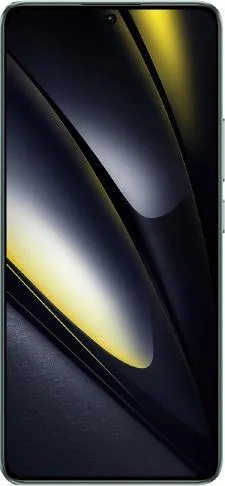
1. Specifications Comparison
| Feature | Realme C55 | Xiaomi Poco F6 | Practical Impact |
|---|---|---|---|
| Design | |||
| Dimensions (mm) | 165.6 x 75.9 x 7.9 | 160.5 x 74.5 x 8 | Poco F6 is slightly shorter, narrower, and thicker, but negligibly so in practical use. |
| Weight (g) | 189.5 | 179 | Poco F6 is noticeably lighter, enhancing one-handed use and portability. |
| Build Material | Not specified | Not specified | Cannot compare build quality and durability without this information. |
| Display | |||
| Display Type | IPS LCD | AMOLED | Poco F6's AMOLED offers deeper blacks, more vibrant colors, and better power efficiency in dark mode. |
| Display Size (inches) | 6.72 | 6.67 | Negligible difference in screen real estate. |
| Resolution | 1080 x 2400 | 1220 x 2712 | Poco F6 has a sharper display with higher pixel density (446 vs 392 PPI), resulting in clearer text and images. |
| Refresh Rate (Hz) | 90 | 120 | Poco F6's 120Hz refresh rate provides smoother scrolling and animations, resulting in a more fluid user experience. |
| Peak Brightness (nits) | 680 | 2400 | Poco F6 offers significantly higher peak brightness, ensuring excellent outdoor visibility even in direct sunlight. |
| HDR | No | HDR10+, Dolby Vision | Poco F6 supports HDR content, resulting in a wider dynamic range and more realistic visuals when viewing compatible media. |
| Performance | |||
| Chipset | Mediatek Helio G88 (12nm) | Qualcomm Snapdragon 8s Gen 3 (4nm) | Poco F6's Snapdragon 8s Gen 3 is significantly more powerful, enabling smoother multitasking, faster app loading, and better gaming performance. The 4nm process also implies better battery efficiency. |
| CPU | Octa-core (2x2.0 GHz A75 & 6x1.8 GHz A55) | Octa-core (1x3.0 GHz X4 & 4x2.8 GHz A720 & 3x2.0 GHz A520) | Poco F6 boasts a more modern and powerful CPU architecture, translating to a substantial performance advantage. |
| GPU | Mali-G52 MC2 | Adreno 735 | Poco F6's Adreno 735 GPU offers considerably better graphics performance for demanding games and applications. |
| RAM | 6GB/8GB | 8GB/12GB | Poco F6 offers more RAM in its higher-end configuration, improving multitasking and overall system responsiveness. |
| Camera | |||
| Main Camera (MP) | 64 | 50 | While Realme C55 has higher megapixel count, Poco F6 uses a larger sensor (Sony IMX882) with a wider aperture (f/1.6), potentially capturing more light and detail, especially in low-light conditions. |
| Video Recording | 1080p@60fps | 4K@60fps with EIS | Poco F6 offers superior video recording capabilities with higher resolution and Electronic Image Stabilization (EIS) for smoother footage. |
| Battery | |||
| Capacity (mAh) | 5000 | 5000 | Similar battery capacity. |
| Fast Charging (W) | 33 | 90 | Poco F6 offers significantly faster charging, minimizing downtime. |
2. Key Differences Analysis
Realme C55 Advantages:
- Potentially more affordable: While exact prices weren't compared due to fluctuating market conditions, Realme's C-series generally targets a lower price point.
Xiaomi Poco F6 Advantages:
- Significantly higher performance: The Snapdragon 8s Gen 3 chip offers a substantial performance advantage for demanding tasks and gaming.
- Superior display: The AMOLED display with 120Hz refresh rate and HDR support provides a more visually appealing and responsive experience.
- Faster charging: 90W fast charging significantly reduces charging time.
- Better camera capabilities: Larger sensor, wider aperture on main camera and advanced video recording features.
3. User Profiles & Recommendations
Realme C55: Budget-conscious users who prioritize basic smartphone functionality (calling, texting, social media) and light gaming.
Xiaomi Poco F6: Users who demand high performance for gaming, content creation, and multitasking, and appreciate a premium display and fast charging.
4. Decision Framework
Key Questions:
- What is your budget? The Realme C55 likely offers better value for budget-conscious buyers.
- What are your primary use cases? For demanding tasks and gaming, the Poco F6 is significantly better.
- How important is display quality and fast charging? The Poco F6 excels in these areas.
My Choice: Xiaomi Poco F6
While the Realme C55 might be a good budget option, the Xiaomi Poco F6 is the clear winner for me. The superior performance offered by the Snapdragon 8s Gen 3, coupled with the stunning AMOLED display, 120Hz refresh rate, and incredibly fast 90W charging, makes it a much more compelling device. Even though pricing wasn't directly comparable, the significant performance and feature upgrades justify the likely price difference for a user like myself who values a smooth, responsive, and visually engaging smartphone experience. The improved camera capabilities, especially in low light and video recording, further solidify the Poco F6 as the better choice.
