
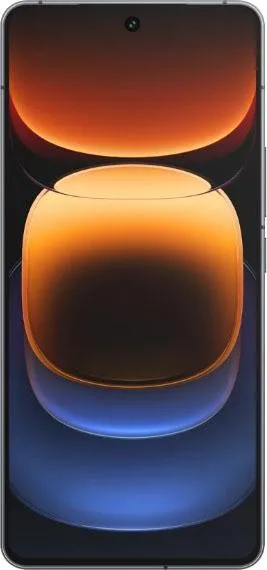
1. Specifications Comparison
| Feature | Realme C55 | vivo iQOO 12 | Practical Impact |
|---|---|---|---|
| Design | |||
| Dimensions (mm) | 165.6 x 75.9 x 7.9 | 163.2 x 75.9 x 8.1 | iQOO 12 slightly shorter and thicker. Negligible difference in real-world usage. |
| Weight (g) | 189.5 | 198.5 | iQOO 12 is noticeably heavier, potentially impacting one-handed use. |
| Display | |||
| Display Type | IPS LCD | LTPO AMOLED | iQOO 12 offers superior contrast, deeper blacks, and potentially better power efficiency due to LTPO. Realme C55's LCD might be slightly more readable in direct sunlight. |
| Display Size (inches) | 6.72 | 6.78 | Negligible size difference. |
| Resolution | 1080 x 2400 | 1260 x 2800 | iQOO 12 has a sharper display with higher pixel density (453 ppi vs 392 ppi), resulting in crisper text and images. |
| Refresh Rate (Hz) | 90 | 144 | iQOO 12 offers significantly smoother scrolling and animations due to the higher refresh rate. |
| Peak Brightness (nits) | 680 | 3000 | iQOO 12 is vastly brighter, ensuring excellent outdoor visibility even in bright sunlight. |
| Performance | |||
| Chipset | Mediatek Helio G88 (12nm) | Snapdragon 8 Gen 3 (4nm) | iQOO 12 boasts significantly faster CPU and GPU performance, enabling seamless multitasking, demanding gaming, and faster app loading. |
| CPU | Octa-core (2x2.0 GHz A75 & 6x1.8 GHz A55) | Octa-core (1x3.3 GHz X4 & 3x3.2 GHz A720 & 2x3.0 GHz A720 & 2x2.3 GHz A520) | iQOO 12's CPU is far more powerful, featuring newer architecture and higher clock speeds. |
| RAM | 6GB/8GB | 12GB/16GB | iQOO 12 offers substantially more RAM, enabling better multitasking and preventing apps from closing in the background. |
| Camera | |||
| Rear Camera | 64MP Main, 2MP Depth | 50MP Main, 50MP Wide, 64MP Telephoto | iQOO 12 offers a more versatile camera system with a dedicated wide-angle and telephoto lens, enabling optical zoom and wider field of view shots. |
| Front Camera | 8MP | 16MP | iQOO 12 has a higher resolution front camera for potentially better selfies. |
| Video Recording | 1080p@30/60fps | Up to 8K@30fps | iQOO 12 supports higher resolution video recording. |
| Battery | |||
| Capacity (mAh) | 5000 | 5000 | Similar battery capacity. |
| Fast Charging | 33W | 120W | iQOO 12 offers drastically faster charging speeds, significantly reducing downtime. |
2. Key Differences Analysis
Realme C55 Advantages:
- Potentially Lower Price: Likely more affordable than the iQOO 12.
- Lighter Weight: Easier for one-handed use.
vivo iQOO 12 Advantages:
- Superior Performance: Significantly faster processor, more RAM, smoother display.
- Better Display: Higher resolution, refresh rate, brightness, and contrast with AMOLED technology.
- More Versatile Camera: Dedicated wide-angle and telephoto lenses.
- Faster Charging: Significantly quicker charging speeds.
Trade-offs:
- The iQOO 12's superior performance and features come at a higher price and heavier weight.
- The Realme C55 prioritizes affordability but compromises on performance, display quality, and camera versatility.
3. User Profiles & Recommendations
Realme C55:
- Ideal User: Budget-conscious users who prioritize basic smartphone functionality for calling, texting, social media browsing, and light gaming.
- Use Cases: Casual use, basic photography, web browsing.
vivo iQOO 12:
- Ideal User: Power users, mobile gamers, photography enthusiasts, and those who demand top-tier performance and features.
- Use Cases: Demanding gaming, professional photography/videography, multitasking, content creation.
4. Decision Framework
Key Questions:
- What is your budget? The iQOO 12 is significantly more expensive.
- What are your primary smartphone usage patterns? Casual use vs. demanding tasks.
- Which features are most important to you? Performance, display, camera, battery life.
Scenario-Based Recommendations:
- Limited Budget: Realme C55
- High-Performance Needs: vivo iQOO 12
- Balanced Needs and Moderate Budget: Consider other options in the mid-range segment that offer a balance of performance and affordability.
My Choice: vivo iQOO 12
While the Realme C55 offers good value for its price, the vivo iQOO 12 is the clear winner for me. The significant leap in performance with the Snapdragon 8 Gen 3, coupled with the stunning 144Hz AMOLED display and versatile camera system, makes it a far more compelling device. I prioritize a smooth and responsive user experience, especially for gaming and multitasking, and the iQOO 12 delivers on that front. The faster charging is a significant bonus, minimizing downtime. Although the price is higher, the substantial upgrade in features and overall experience justifies the investment for my needs.
