
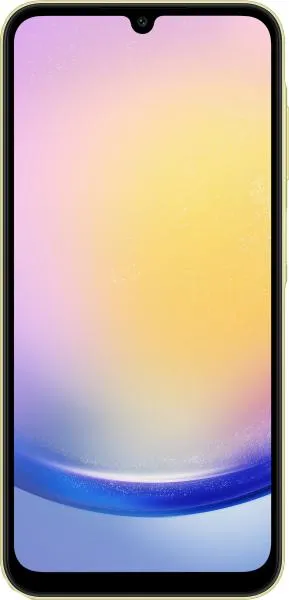
1. Specifications Comparison
| Feature | Realme C55 | Samsung Galaxy A15 | Practical Impact |
|---|---|---|---|
| Design | |||
| Dimensions (mm) | 165.6 x 75.9 x 7.9 | 160.1 x 76.8 x 8.4 | A15 slightly shorter and wider, but noticeably thicker. C55 is lighter. Real-world impact minimal, both are similarly sized. |
| Weight (g) | 189.5 | 200 | C55 feels slightly lighter in hand. |
| Display | |||
| Display Type | IPS LCD | Super AMOLED | AMOLED offers deeper blacks, more vibrant colors, and potentially better power efficiency. LCD can be brighter in direct sunlight. |
| Display Size (inches) | 6.72 | 6.5 | C55 has a slightly larger screen, providing more immersive content consumption. |
| Resolution | 1080 x 2400 | 1080 x 2340 | Negligible difference in sharpness. |
| Refresh Rate (Hz) | 90 | 90 | Both offer smooth scrolling and animations. |
| Peak Brightness (nits) | 680 | 800 | A15 can get brighter, improving outdoor visibility. |
| Performance | |||
| Chipset | Mediatek Helio G88 (12nm) | Mediatek Helio G99 (6nm) | G99 is significantly more power efficient and offers better performance due to smaller fabrication process. This translates to smoother multitasking, better gaming, and longer battery life on the A15. |
| CPU | Octa-core (2x2.0 GHz Cortex-A75 & 6x1.8 GHz Cortex-A55) | Octa-core (2x2.2 GHz Cortex-A76 & 6x2.0 GHz Cortex-A55) | A15 has a more powerful CPU architecture resulting in noticeably faster performance. |
| GPU | Mali-G52 MC2 | Mali-G57 MC2 | A15's GPU provides significantly better graphics performance for gaming and demanding applications. |
| RAM (GB) | 6/8 | 4/6/8 | Dependent on the specific configuration. More RAM generally allows for better multitasking. |
| OS | Android 13 | Android 14 | A15 ships with a newer Android version and guaranteed longer updates (up to Android 17). |
| Camera | |||
| Main Camera (MP) | 64 | 50 | C55 has a higher resolution main sensor. However, megapixels alone don't guarantee better image quality. Missing sensor details for both phones limit a comprehensive comparison. |
| Selfie Camera (MP) | 8 | 13 | A15 has a higher resolution selfie camera. |
| Video Recording | 1080p@30/60fps | 1080p@30fps | C55 offers 60fps recording for smoother videos. |
| Battery | |||
| Capacity (mAh) | 5000 | 5000 | Similar battery capacity. |
| Fast Charging (W) | 33 | 25 | C55 charges faster. |
2. Key Differences Analysis
Realme C55 Advantages:
- Faster Charging: 33W fast charging offers quicker top-ups.
- Slightly Larger Display: Provides a more immersive viewing experience.
- 60fps Video Recording: Smoother video capture.
- Potentially Lower Price: Depending on specific configurations, the C55 may be cheaper.
Samsung Galaxy A15 Advantages:
- Significantly Better Performance: The Helio G99 chipset and more powerful GPU offer a smoother and faster user experience.
- Superior Display Technology: AMOLED provides richer colors and deeper blacks.
- Newer Android Version with Longer Update Support: Ensures access to the latest features and security patches for a longer period.
- Brighter Display: Better visibility in bright sunlight.
Trade-offs:
- C55: Lower performance, LCD display.
- A15: Slower charging speed, potentially higher price.
3. User Profiles & Recommendations
Realme C55: Budget-conscious users who prioritize a large display, fast charging, and basic smartphone functionality. Suitable for casual use, social media, and light gaming.
Samsung Galaxy A15: Users who value performance, a vibrant display, longer software support, and future-proofing. Suitable for moderate to heavy usage, including gaming, multitasking, and media consumption.
4. Decision Framework
Key Questions for Buyers:
- What is your budget? The C55 is likely more affordable.
- What is your primary use case? Gaming and heavy usage favor the A15. Casual use favors the C55.
- How important are software updates and longevity? The A15 offers longer support.
My Choice: Samsung Galaxy A15
While the Realme C55 offers a larger display and faster charging, the Samsung Galaxy A15's superior performance, AMOLED display, newer Android version with guaranteed updates, and brighter screen make it a more compelling choice for me. The performance difference stemming from the 6nm Helio G99 compared to the 12nm Helio G88 is significant and would noticeably impact daily usage. Longer software updates ensure the phone remains secure and relevant for an extended period. While the 25W charging is slower than the C55's 33W, the G99's superior power efficiency might offset this in overall usage time. I prioritize a smooth and responsive user experience and long-term value, which the A15 delivers more effectively.
