
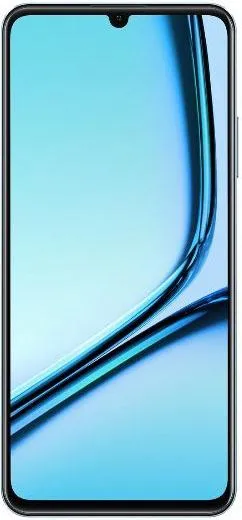
1. Specifications Comparison
| Feature | Realme C55 | Realme Note 50 | Practical Impact |
|---|---|---|---|
| Design | |||
| Dimensions (mm) | 165.6 x 75.9 x 7.9 | 167.2 x 76.7 x 8 | Note 50 slightly larger |
| Weight (g) | 189.5 | 186 | Negligible weight difference |
| Display | |||
| Size (inches) | 6.72 | 6.74 | Negligible size difference |
| Resolution (px) | 1080 x 2400 | 720 x 1600 | C55 significantly sharper (FHD+ vs HD+) impacting clarity and detail in images, videos, and text. |
| Pixel Density (PPI) | 392 | 260 | C55 much sharper; noticeable difference in image and text clarity. |
| Refresh Rate (Hz) | 90 | 90 | Both offer smooth scrolling and animations. |
| Display Type | IPS LCD | IPS LCD | Similar color reproduction and viewing angles. |
| Peak Brightness (nits) | 680 | 560 | C55 likely more visible outdoors in sunlight. |
| Performance | |||
| Chipset | Mediatek Helio G88 (12nm) | Unisoc Tiger T612 (12nm) | G88 generally offers better performance in benchmarks. |
| CPU | Octa-core (2x2.0 GHz A75 & 6x1.8 GHz A55) | Octa-core (2x1.8 GHz A75 & 6x1.8 GHz A55) | C55 likely faster in demanding tasks due to higher clock speed on performance cores. |
| GPU | Mali-G52 MC2 | Mali-G57 MP1 | G52 MC2 generally performs better in gaming than the G57 MP1, particularly noticeable in graphics-intensive games. |
| RAM | 6GB/8GB | 3GB/4GB | C55 offers more RAM options, enabling smoother multitasking and better performance with multiple apps. |
| Camera | |||
| Rear Camera (MP) | 64MP + 2MP | 13MP + 2MP | C55 boasts higher resolution main sensor, potentially capturing more detail. However, megapixels alone don't guarantee image quality. We lack sensor details for the Note 50 to make a thorough comparison. |
| Front Camera (MP) | 8MP | 5MP | C55 has a higher resolution selfie camera. |
| Video Recording | 1080p@30/60fps | 1080p@30fps | C55 offers 60fps recording for smoother video. |
| Battery | |||
| Capacity (mAh) | 5000 | 5000 | Same capacity, expected similar battery life. |
| Fast Charging | 33W | 10W | C55 charges significantly faster. |
| Other | |||
| NFC | Yes | No | C55 allows for contactless payments and data transfer. |
| Price Range | Medium | Low | C55 generally more expensive. |
2. Key Differences Analysis
Realme C55 Advantages:
- Superior Display: Significantly higher resolution and pixel density, resulting in a much sharper and more detailed viewing experience.
- Better Performance: More powerful CPU and GPU, along with higher RAM options, leading to smoother multitasking and better gaming performance.
- Faster Charging: 33W fast charging significantly reduces charging time compared to the Note 50's 10W.
- NFC: Enables contactless payments and other convenient features.
- Higher Resolution Cameras: Potentially better image and video quality, especially in the main rear camera. 60fps video recording option.
Realme Note 50 Advantages:
- Lower Price: More budget-friendly option.
- Slightly Larger Display: Though negligible, some users might prefer the slightly larger screen size.
3. User Profiles & Recommendations
Realme C55: Users who prioritize display quality, performance, faster charging, and NFC functionality. Suitable for:
- Mobile gaming
- Consuming media (videos, photos)
- Multitasking
- Contactless payments
Realme Note 50: Budget-conscious users who prioritize basic functionality and long battery life over high-end features. Suitable for:
- Casual browsing
- Social media
- Making calls and texting
- Light gaming (less demanding titles)
4. Decision Framework
Key Questions for Buyers:
- What is your budget? The Note 50 is significantly cheaper.
- How important is display quality and performance? The C55 offers a much better visual experience and smoother performance.
- Do you need NFC for contactless payments? This is only available on the C55.
Scenario-Based Recommendations:
- Limited Budget: Realme Note 50
- Balanced Needs: Realme C55
- Gaming/Multimedia Focus: Realme C55
My Choice: Realme C55
While the Realme Note 50 offers a lower price point, the Realme C55 provides significantly better value due to its superior display, performance, faster charging, and NFC functionality. The difference in screen resolution alone (FHD+ vs HD+) dramatically impacts the user experience, making the C55 a much more enjoyable device for media consumption, gaming, and general usage. The performance gains from the better processor and increased RAM also contribute to a smoother and more responsive experience. The faster charging is a significant convenience in today's fast-paced world. While the Note 50 has its place for budget-conscious buyers with basic needs, the C55 offers a more well-rounded and future-proof package.
