
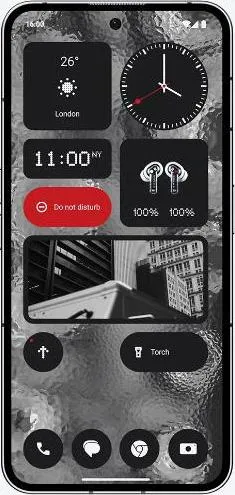
1. Specifications Comparison
| Feature | Realme C55 | Nothing Phone (2) | Practical Impact |
|---|---|---|---|
| Design | |||
| Dimensions (mm) | 165.6 x 75.9 x 7.9 | 162.1 x 76.4 x 8.6 | Nothing Phone (2) is slightly shorter and wider, but noticeably thicker. Realme C55 is lighter. |
| Weight (g) | 189.5 | 201.2 | Realme C55 is significantly lighter, reducing hand fatigue during extended use. |
| Display | |||
| Display Type | IPS LCD | LTPO OLED | OLED offers deeper blacks, higher contrast, and potentially better power efficiency due to individual pixel illumination. |
| Refresh Rate (Hz) | 90 | 120 | Nothing Phone (2)'s 120Hz display provides smoother animations and scrolling. |
| Peak Brightness (nits) | 680 | 1600 | Nothing Phone (2) is significantly brighter, ensuring better visibility in direct sunlight. |
| HDR Support | No | HDR10+ | Nothing Phone (2) supports HDR content, resulting in a wider dynamic range and more vibrant colors in compatible videos and games. |
| Performance | |||
| Chipset | Mediatek Helio G88 (12nm) | Qualcomm Snapdragon 8+ Gen 1 (4nm) | Snapdragon 8+ Gen 1 offers significantly faster CPU and GPU performance, enabling smoother multitasking, gaming, and demanding applications. |
| CPU | Octa-core (2x2.0 GHz Cortex-A75 & 6x1.8 GHz Cortex-A55) | Octa-core (1x3.0 GHz Cortex-X2 & 3x2.5 GHz Cortex-A710 & 4x1.80 GHz Cortex-A510) | Nothing Phone (2) boasts a more powerful and modern CPU architecture, translating to significantly improved performance. |
| GPU | Mali-G52 MC2 | Adreno 730 | Adreno 730 delivers superior graphics performance for demanding games and applications. |
| RAM | 6GB/8GB | 8GB/12GB | More RAM in some Nothing Phone (2) variants allows for smoother multitasking and less frequent app reloading. |
| Camera | |||
| Main Camera (MP) | 64 | 50 | While megapixel count is lower, Nothing Phone (2) uses a larger sensor (Sony IMX890) with larger pixels, potentially capturing more light and detail. |
| Ultrawide/Wide Angle | No | Yes (50MP) | Nothing Phone (2) offers an ultrawide lens for capturing wider field of view. |
| Video Recording | 1080p@60fps | 4K@60fps | Nothing Phone (2) offers superior video recording capabilities with higher resolution and frame rates. |
| Battery | |||
| Capacity (mAh) | 5000 | 4700 | Realme C55 has a slightly larger battery capacity, potentially offering longer battery life. |
| Fast Charging (W) | 33 | 45 | Nothing Phone (2) supports faster charging. |
2. Key Differences Analysis
Realme C55 Advantages:
- Lower Price: Significantly more affordable.
- Lighter Weight: More comfortable for extended use.
- Slightly Larger Battery: Potential for longer battery life.
Nothing Phone (2) Advantages:
- Significantly Higher Performance: Smoother overall experience, better gaming.
- Superior Display: More vibrant colors, deeper blacks, higher refresh rate, brighter for outdoor use.
- Better Camera System: Improved image quality, ultrawide lens, superior video recording.
- Faster Charging: Less downtime.
3. User Profiles & Recommendations
Realme C55:
- Budget-conscious users: Prioritize affordability over top-tier specs.
- Casual users: Primarily use phone for basic tasks like calling, texting, social media browsing.
- Users who prioritize battery life: Larger battery capacity may offer extended usage.
Nothing Phone (2):
- Power users: Demand high performance for gaming, multitasking, and demanding applications.
- Content creators: Need a good camera system for photos and videos.
- Users who value a premium display: Appreciate vibrant colors, smooth scrolling, and HDR support.
4. Decision Framework
Key Questions:
- What is your budget? Realme C55 is significantly cheaper.
- What are your primary phone usage patterns? Casual use vs. demanding tasks/gaming.
- Which features are most important to you? Performance, display, camera, battery life.
My Choice: Nothing Phone (2)
While the Realme C55 offers excellent value for its price, the Nothing Phone (2)'s superior performance, display, and camera system make it the better choice for me. I prioritize a smooth and responsive user experience, enjoy mobile gaming, and appreciate a high-quality display. The faster charging and software update commitment (Android 16 guaranteed) also contribute to its long-term value. While the price difference is significant, the overall user experience offered by the Nothing Phone (2) justifies the premium for my needs. The slightly heavier weight and smaller battery are acceptable trade-offs for the significant performance and feature upgrades.
