
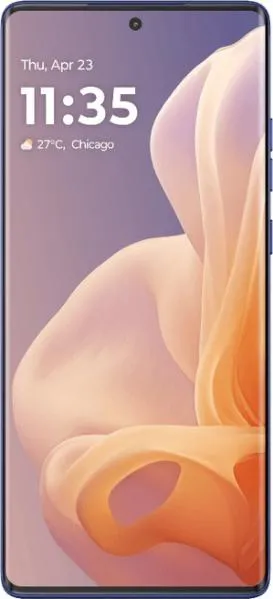
1. Specifications Comparison
| Feature | Realme C55 | Motorola Moto G85 | Practical Impact |
|---|---|---|---|
| Design | |||
| Dimensions (mm) | 165.6 x 75.9 x 7.9 | 161.9 x 73.1 x 7.6 | Moto G85 is slightly smaller and thinner, potentially improving one-handed usability. |
| Weight (g) | 189.5 | 171 | Moto G85 is noticeably lighter, reducing hand fatigue during extended use. |
| Fingerprint Sensor | Side-mounted | Under-display | Preference-based, but under-display often perceived as more premium. |
| Display | |||
| Display Type | IPS LCD | P-OLED | P-OLED offers deeper blacks, higher contrast, and potentially better power efficiency. |
| Display Size (inches) | 6.72 | 6.67 | Negligible difference in size. |
| Resolution | 1080 x 2400 | 1080 x 2400 | Identical resolution. |
| Refresh Rate (Hz) | 90 | 120 | Moto G85's 120Hz offers smoother animations and scrolling. |
| Peak Brightness (nits) | 680 | 1600 | Moto G85's significantly higher brightness ensures better outdoor visibility. |
| Performance | |||
| Chipset | Mediatek Helio G88 (12nm) | Qualcomm Snapdragon 6s Gen 3 (6nm) | Snapdragon 6s Gen 3 built on a smaller node (6nm vs 12nm), indicating better power efficiency and potentially better performance. |
| CPU | Octa-core (2x2.0 GHz A75 & 6x1.8 GHz A55) | Octa-core (2x2.3 GHz A78 & 6x2.0 GHz A55) | Moto G85 features faster and more modern CPU cores (A78 vs A75), resulting in significantly improved performance. |
| GPU | Mali-G52 MC2 | Adreno 619 | Adreno 619 generally offers better gaming performance than Mali-G52 MC2. |
| RAM | 6/8 GB | 8/12 GB | Moto G85 offers higher RAM options for better multitasking. |
| OS | Android 13 | Android 14 | Moto G85 comes with a newer Android version, offering potential feature and security updates for longer. |
| Camera | |||
| Main Camera (MP) | 64 | 50 | While Realme has higher resolution, sensor size and other factors impact overall quality; direct comparison difficult without further details. |
| Selfie Camera (MP) | 8 | 32 | Moto G85 boasts a significantly higher resolution selfie camera. |
| Video Recording | 1080p@30/60fps | 1080p@30/60fps | Identical video resolution and frame rates. Missing information on Moto G85's slow-motion capabilities. |
| Battery | |||
| Capacity (mAh) | 5000 | 5000 | Identical battery capacity. |
| Fast Charging | 33W | 30W | Realme offers slightly faster charging. |
2. Key Differences Analysis
Realme C55 Advantages:
- Slightly faster charging: 33W vs 30W, resulting in marginally quicker charging times.
- Higher resolution main camera: 64MP vs 50MP, although practical image quality differences are unclear without sensor details.
Motorola Moto G85 Advantages:
- Significantly better performance: More powerful and efficient chipset, faster CPU cores, and better GPU for smoother operation and gaming.
- Superior display: P-OLED technology with higher refresh rate (120Hz) and peak brightness (1600 nits) for a more vibrant and responsive visual experience.
- More RAM: Higher RAM options (up to 12GB) for improved multitasking.
- Newer Android version: Android 14 offers potential software updates and features for a longer period.
- Higher resolution selfie camera: 32MP vs 8MP, offering significantly better selfie quality.
- Lighter and slimmer design: Improved ergonomics and portability.
3. User Profiles & Recommendations
Realme C55: Budget-conscious users prioritizing basic smartphone functionality, long battery life, and fast charging. Best for: Casual social media use, light web browsing, and calling.
Motorola Moto G85: Users who value a smooth and responsive user experience, vibrant display, good performance for gaming and multitasking, and a longer software update cycle. Best for: Mobile gaming, demanding applications, media consumption, and users who keep their phones for extended periods.
4. Decision Framework
Key Questions for Buyers:
- What is your budget? The Moto G85 is likely more expensive.
- What are your primary smartphone usage patterns? Gaming, media consumption, or basic communication?
- How important is long-term software support?
Scenario-Based Recommendations:
- Tight budget, basic usage: Realme C55
- Balanced performance and price: Moto G85 (8GB RAM variant)
- Best possible performance and longevity: Moto G85 (12GB RAM variant)
My Choice: Motorola Moto G85
While the Realme C55 offers a slightly faster charging speed and higher megapixel count on the main camera, the Moto G85 offers a significantly more compelling overall package. Its superior performance, vibrant P-OLED display with 120Hz refresh rate, higher RAM, newer Android version, and higher resolution selfie camera make it a clear winner for me. The slightly higher price is justified by the noticeable improvements in user experience and longevity. I prioritize a smooth and responsive experience, future-proofing through software updates, and good performance for demanding tasks, making the Moto G85 the better choice. The lighter and slimmer design is a welcome bonus.
