
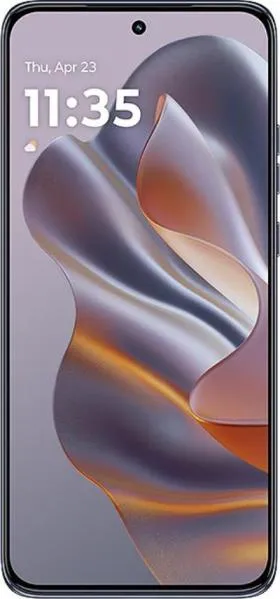
1. Specifications Comparison
| Feature | Realme C55 | Motorola Edge 50 Neo | Practical Impact |
|---|---|---|---|
| Design | |||
| Dimensions (mm) | 165.6 x 75.9 x 7.9 | 154.1 x 71.2 x 8.1 | Edge 50 Neo is slightly smaller and may feel more comfortable in hand. |
| Weight (g) | 189.5 | 171 | Edge 50 Neo is noticeably lighter, reducing hand fatigue during extended use. |
| Fingerprint Sensor | Side-mounted | Under-display | Preference-based; under-display often perceived as more premium. |
| Display | |||
| Display Type | IPS LCD | P-OLED | P-OLED offers deeper blacks, richer colors, and potentially better power efficiency. |
| Display Size (inches) | 6.72 | 6.4 | C55 offers a larger screen for media consumption, but Edge 50 Neo has higher pixel density. |
| Resolution | 1080 x 2400 | 1256 x 2760 | Edge 50 Neo has a sharper display (higher PPI) resulting in crisper text and images. |
| Refresh Rate (Hz) | 90 | 120 | Edge 50 Neo provides smoother scrolling and animations due to the higher refresh rate. |
| Peak Brightness (nits) | 680 | 3000 | Edge 50 Neo will be significantly more visible in direct sunlight. |
| HDR | No | HDR10+ | Edge 50 Neo supports HDR content, providing a wider dynamic range in supported videos. |
| Performance | |||
| Chipset | Mediatek Helio G88 (12nm) | Mediatek Dimensity 7300 (4nm) | Dimensity 7300 is significantly more powerful and efficient due to smaller manufacturing process. |
| CPU | Octa-core (2x2.0 GHz A75 & 6x1.8 GHz A55) | Octa-core (4x2.5 GHz A78 & 4x2.0 GHz A55) | Edge 50 Neo will offer significantly better performance in demanding tasks and multitasking. |
| GPU | Mali-G52 MC2 | Mali-G615 MC2 | Edge 50 Neo will have improved gaming performance. Although both use the same GPU family, the Dimensity 7300's overall architecture provides better GPU performance. |
| RAM | 6/8 GB | 8/12 GB | More RAM in higher-end Edge 50 Neo configurations allows for better multitasking. |
| OS | Android 13 | Android 14 | Edge 50 Neo ships with a newer Android version and longer OS upgrade support. |
| Camera | |||
| Rear Camera | 64MP Main, 2MP Depth | 50MP Main, 13MP Wide+Macro, 10MP Telephoto | Edge 50 Neo offers greater versatility with wide-angle and telephoto lenses. |
| Front Camera | 8MP | 32MP | Edge 50 Neo provides significantly higher resolution for selfies. |
| Video Recording | 1080p@30/60fps | 4K@30fps, 1080p@ up to 240fps | Edge 50 Neo offers superior video recording capabilities with higher resolution and slow-motion options. |
| Battery | |||
| Capacity (mAh) | 5000 | 4310 | C55 has a larger battery capacity, potentially offering longer battery life. |
| Fast Charging | 33W | 68W | Edge 50 Neo charges significantly faster. |
2. Key Differences Analysis
Realme C55 Advantages:
- Larger battery capacity: Potentially longer battery life.
- Larger display: More immersive media consumption.
Motorola Edge 50 Neo Advantages:
- Significantly more powerful and efficient processor: Smoother performance in all tasks, including gaming.
- Higher quality display: Brighter, sharper, and smoother with HDR support.
- More versatile camera system: Wide-angle, telephoto, and higher resolution selfie camera.
- Faster charging: Less downtime.
- Newer Android version with longer update support: Better software experience and security.
Trade-offs:
- C55's larger battery comes at the cost of performance and features.
- Edge 50 Neo's smaller battery might not last as long, but faster charging mitigates this somewhat.
3. User Profiles & Recommendations
Realme C55: Budget-conscious users prioritizing battery life and a large screen for media consumption. Best for: Casual users, basic tasks, long battery life needs.
Motorola Edge 50 Neo: Users looking for a well-rounded phone with good performance, a great display, and a versatile camera. Best for: Gaming, photography enthusiasts, users who value a smooth and responsive experience.
4. Decision Framework
Key Questions:
- What is your budget?
- What are your primary smartphone usage patterns (e.g., social media, gaming, photography)?
- How important is battery life versus performance?
My Choice: Motorola Edge 50 Neo
While the Realme C55 offers a larger battery and display, the Motorola Edge 50 Neo provides a significantly better overall user experience. The superior processor, display, camera system, and faster charging outweigh the difference in battery capacity for me. The longer software support also ensures a more future-proof device. While the C55 excels in basic tasks and battery endurance, the Edge 50 Neo's performance and versatility make it a more compelling choice for a broader range of users. I value a smooth and responsive experience with good multimedia capabilities, and the Edge 50 Neo delivers that in a more comprehensive package.
