1. Specifications Comparison
| Feature | Realme C53 | ZTE Blade V60 Design | Practical Impact |
|---|---|---|---|
| Design | |||
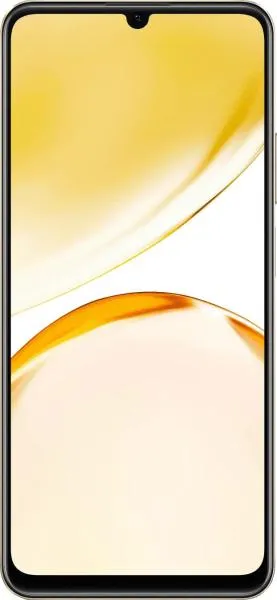
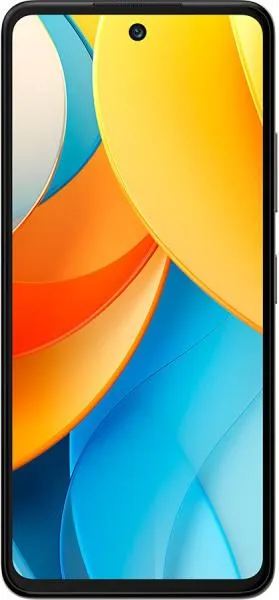
| Dimensions (mm) | 167.3 x 76.7 x 7.5 | 164.2 x 75.3 x 8.6 | The Realme C53 is slightly taller and narrower, but thinner than the ZTE. The ZTE is slightly heavier. Real-world difference likely negligible for most users. |
| Weight (g) | 182 | 198 | The ZTE is a bit heavier, which might be noticeable during extended use. |
| Build Materials | Not specified | Not specified | Cannot compare build quality and durability without more information. |
| Display | |||
| Size (inches) | 6.74 | 6.6 | Realme offers a slightly larger screen for more immersive content consumption. |
| Resolution (px) | 1080 x 2400 | 720 x 1612 | The Realme C53 has a significantly sharper display, resulting in clearer text and images. The difference will be very noticeable. |
| PPI | 390 | 267 | Realme's higher pixel density will make text and images appear sharper, especially noticeable when reading or viewing photos. |
| Refresh Rate (Hz) | 90 | 90 | Both offer smooth scrolling and animations thanks to the 90Hz refresh rate. |
| Display Type | IPS LCD | IPS LCD | Both use IPS LCD technology, offering good viewing angles but potentially less vibrant colors compared to AMOLED. |
| Performance | |||
| Chipset | Unisoc Tiger T612 | Unisoc T606 | Both chipsets are entry-level, but the T612 in the Realme C53 is generally considered slightly more powerful, likely resulting in minor performance differences in day-to-day tasks. |
| CPU | Octa-core (2x1.8 GHz Cortex-A75 & 6x1.8 GHz Cortex-A55) | Octa-core (2x1.6 GHz Cortex-A75 & 6x1.6 GHz Cortex-A55) | Realme has a slight clock speed advantage, potentially resulting in marginally faster app loading and multitasking. |
| GPU | Mali-G57 | Mali-G57 MP1 | While both use the Mali-G57, specific core configurations aren't listed, making detailed GPU comparison impossible. |
| RAM | 6GB / 8GB | 4GB / 6GB | Realme offers higher RAM configurations, enabling better multitasking and smoother performance with multiple apps open. |
| Storage | 128GB / 256GB | 256GB | Both offer ample storage, but Realme provides a lower storage tier for budget-conscious buyers. |
| Camera | |||
| Rear Camera | 50MP + 2MP | 50MP + 2MP + 0.3MP | Both have similar primary and depth sensors. The ZTE adds a low-resolution tertiary sensor, the function of which is not specified. The practical impact of this extra sensor is unclear. |
| Front Camera | 8MP | 8MP | Similar front camera resolutions suggest comparable selfie quality. |
| Video Recording | 1080p@30fps | 1080p@30fps | Both offer basic video recording capabilities. |
| Battery | |||
| Capacity (mAh) | 5000 | 5000 | Similar battery capacities suggest comparable battery life, but actual usage will depend on software optimization and user habits. |
| Other | |||
| NFC | No | Yes | ZTE Blade V60 Design supports contactless payments and data transfer via NFC, while the Realme C53 does not. |
| Price Range | Medium | Low | ZTE Blade V60 Design is generally more affordable. |
2. Key Differences Analysis
Realme C53 Advantages:
- Sharper Display: Significantly higher resolution for a noticeably clearer viewing experience.
- Slightly Better Performance: Marginally faster CPU and potentially more powerful GPU.
- More RAM Options: Higher RAM configurations for improved multitasking.
ZTE Blade V60 Design Advantages:
- NFC: Enables contactless payments and data transfer.
- Lower Price: More budget-friendly option.
3. User Profiles & Recommendations
Realme C53: Suitable for users who prioritize display quality and performance for tasks like media consumption, gaming, and multitasking.
ZTE Blade V60 Design: Best for budget-conscious users who need a basic smartphone with NFC functionality for contactless payments.
4. Decision Framework
Key Questions for Buyers:
- Is display quality a top priority? If yes, the Realme C53 is the clear winner.
- Is NFC essential? If yes, the ZTE Blade V60 Design is the only option.
- What is your budget? The ZTE Blade V60 Design offers better value for budget-conscious buyers.
My Choice: Realme C53
While the ZTE Blade V60 Design offers NFC and a lower price, the significantly superior display quality of the Realme C53 is a crucial factor for me. The sharper resolution (1080p vs 720p) makes a huge difference in everyday use, especially for media consumption, reading, and browsing. I'd be willing to pay a bit more for the improved screen and slightly better performance. The lack of NFC is a downside, but for me, it's outweighed by the significantly better display. If NFC is absolutely essential, the ZTE becomes the only viable option.
