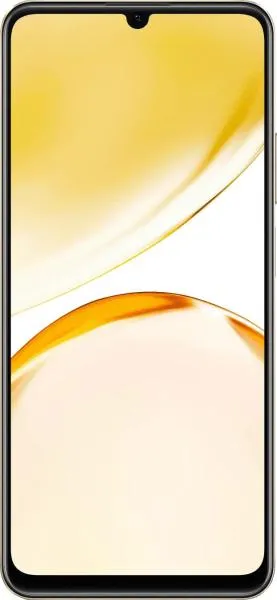
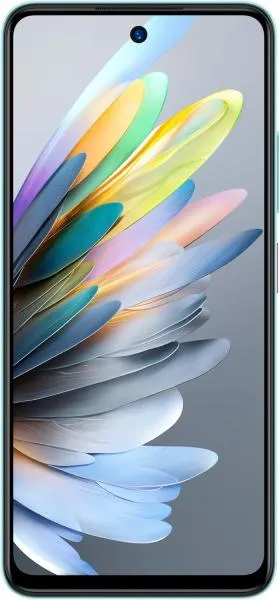
1. Specifications Comparison
| Feature | Realme C53 | ZTE Blade A75 4G | Practical Impact |
|---|---|---|---|
| Design | |||
| Dimensions (mm) | 167.3 x 76.7 x 7.5 | 164.1 x 75.8 x 8.6 | The Realme C53 is slightly taller and narrower, but thinner than the ZTE Blade A75 4G. The differences are minimal and unlikely to significantly impact handling. |
| Weight (g) | 182 | 189 | Negligible weight difference; both phones are lightweight. |
| Display | |||
| Size (inches) | 6.74 | 6.6 | The Realme C53 has a slightly larger display, providing a more immersive experience for media consumption. |
| Resolution (px) | 1080 x 2400 | 720 x 1612 | Significant difference: The Realme C53 boasts a much sharper display due to its higher resolution (Full HD+ vs. HD+). This translates to crisper text, images, and videos. |
| Pixel Density (PPI) | 390 | 267 | Reinforces the sharpness difference; the Realme C53's display is noticeably clearer. |
| Refresh Rate (Hz) | 90 | 90 | Both offer smooth scrolling and animations thanks to the 90Hz refresh rate. |
| Display Type | IPS LCD | IPS LCD | Both use IPS LCD technology, offering good color reproduction and viewing angles but lacking the deep blacks of AMOLED displays. |
| Performance | |||
| Chipset | Unisoc Tiger T612 | Unisoc T606 | Both chipsets are entry-level, but the T612 in the Realme C53 generally performs slightly better in benchmarks. The difference might be noticeable in demanding tasks or gaming. |
| CPU | Octa-core (2x1.8 GHz Cortex-A75 & 6x1.8 GHz Cortex-A55) | Octa-core (2x1.6 GHz Cortex-A75 & 6x1.6 GHz Cortex-A55) | The Realme C53 has a slight clock speed advantage, potentially leading to marginally faster performance. |
| GPU | Mali-G57 | Mali-G57 MP1 | While both utilize the Mali-G57, more information (e.g., core count) is needed to determine any performance differences. |
| RAM (GB) | 6 | 8 | The ZTE Blade A75 4G has more RAM which could provide better multitasking performance and prevent apps from closing in the background as frequently. |
| Camera | |||
| Main Camera (MP) | 50 | 50 | Megapixel count is similar, but image quality depends on sensor size, aperture, and software processing, which are not fully detailed here. |
| Selfie Camera (MP) | 8 | 8 | Similar megapixel count; further details are needed for meaningful comparison. |
| Video Recording | 1080p@30fps | 1080p@30fps | Both offer basic 1080p video recording. |
| Battery | |||
| Capacity (mAh) | 5000 | 5000 | Both phones have the same battery capacity, but real-world battery life depends on factors like software optimization and display power consumption. |
| Other | |||
| NFC | No | Yes | The ZTE Blade A75 4G supports NFC for contactless payments and other functionalities, a feature missing in the Realme C53. |
| Price Range | Medium | Low | The ZTE Blade A75 4G is positioned as a more budget-friendly option. |
2. Key Differences Analysis
Realme C53 Advantages:
- Sharper Display: The significantly higher resolution display is a major advantage, providing a much better visual experience.
- Slightly Better Performance: The slightly faster CPU clock speed on the Realme C53 might offer a minor performance edge.
ZTE Blade A75 4G Advantages:
- NFC: The inclusion of NFC enables contactless payments and other convenient features.
- More RAM: 8GB of RAM allows for smoother multitasking and better handling of multiple apps.
- Lower Price: Positioned in a lower price bracket, offering better value for budget-conscious buyers.
3. User Profiles & Recommendations
Realme C53: Users who prioritize display quality for media consumption, casual gaming, and general use.
ZTE Blade A75 4G: Budget-conscious users who need a functional smartphone with NFC capabilities for contactless payments. Users who prioritize multitasking might also prefer the extra RAM.
4. Decision Framework
Key Questions for Buyers:
- How important is display quality? If a sharp, crisp display is a priority, the Realme C53 is the clear winner.
- What is your budget? The ZTE Blade A75 4G offers good value for its lower price.
- Do you need NFC? If contactless payments are essential, the ZTE Blade A75 4G is the only option.
My Choice: Realme C53
While the ZTE Blade A75 4G offers NFC and more RAM at a lower price, the significantly superior display of the Realme C53 is the deciding factor for me. The sharper resolution and higher pixel density would provide a much better everyday user experience for browsing, watching videos, and even casual gaming. I'd be willing to pay the slightly higher price for the enhanced visual clarity and marginally better processor. The lack of NFC is a drawback, but for me, it's outweighed by the substantial difference in display quality.
