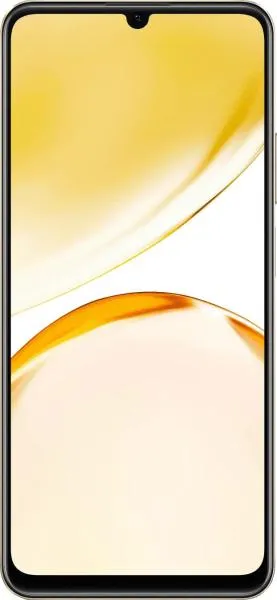
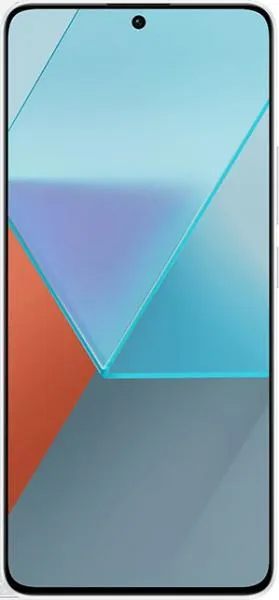
1. Specifications Comparison
| Feature | Realme C53 | Xiaomi Redmi Note 13 Pro | Practical Impact |
|---|---|---|---|
| Design | |||
| Dimensions (mm) | 167.3 x 76.7 x 7.5 | 161.2 x 74.2 x 8 | Redmi Note 13 Pro is slightly shorter, narrower, and thicker. Realme C53 is marginally thinner. Negligible difference in practical usage. |
| Weight (g) | 182 | 187 | Virtually identical weight; no noticeable difference in hand. |
| Build Material | Not specified | Not specified | Cannot compare build quality and durability without this information. |
| Display | |||
| Display Type | IPS LCD | AMOLED | AMOLED offers superior contrast, deeper blacks, and potentially better power efficiency. |
| Display Size (inches) | 6.74 | 6.67 | Negligible size difference; both offer large screens suitable for media consumption. |
| Resolution | 1080 x 2400 | 1220 x 2712 | Redmi Note 13 Pro has a sharper display with higher pixel density, resulting in clearer text and images. |
| Refresh Rate (Hz) | 90 | 120 | Redmi Note 13 Pro's 120Hz refresh rate provides smoother scrolling and animations, enhancing the overall user experience. |
| Peak Brightness (nits) | 560 | 1800 | Redmi Note 13 Pro offers significantly higher peak brightness, ensuring better visibility in direct sunlight. |
| Performance | |||
| Chipset | Unisoc Tiger T612 (12 nm) | Qualcomm Snapdragon 7s Gen 2 (4 nm) | Snapdragon 7s Gen 2 is significantly more powerful and power-efficient due to its advanced architecture and smaller manufacturing process. This translates to better performance in demanding tasks and games. |
| CPU | Octa-core (2x1.8 GHz Cortex-A75 & 6x1.8 GHz Cortex-A55) | Octa-core (4x2.40 GHz Cortex-A78 & 4x1.95 GHz Cortex-A55) | Redmi Note 13 Pro has faster and more powerful CPU cores, leading to noticeably improved performance in multitasking and demanding applications. |
| GPU | Mali-G57 | Adreno 710 | Adreno 710 offers better gaming performance and graphics rendering compared to the Mali-G57. |
| RAM | 6GB | 8GB (as tested) | More RAM in the Redmi allows for smoother multitasking and better handling of demanding applications. |
| Camera | |||
| Main Camera (MP) | 50 | 200 | Redmi Note 13 Pro boasts a significantly higher resolution main camera, potentially capturing more detail. However, megapixel count isn't the sole determinant of image quality. Sensor size and processing play crucial roles. |
| Front Camera (MP) | 8 | 16 | Redmi Note 13 Pro has a higher resolution front camera for better selfies. |
| Video Recording | 1080p@30fps | 4K@30fps, 1080p@120fps | Redmi Note 13 Pro offers superior video recording capabilities with higher resolution and frame rates. |
| Battery | |||
| Capacity (mAh) | 5000 | 5100 | Negligible difference in battery capacity; real-world battery life will depend more on software optimization and usage patterns. |
2. Key Differences Analysis
Realme C53 Advantages:
- Potentially Lower Price: Likely more affordable than the Redmi Note 13 Pro.
Redmi Note 13 Pro Advantages:
- Superior Performance: Significantly faster processor and GPU for smoother multitasking, gaming, and overall user experience.
- Better Display: AMOLED screen with higher resolution, refresh rate, and peak brightness for a more vibrant and enjoyable viewing experience.
- Enhanced Camera System: Higher resolution main and selfie cameras, 4K video recording, and optical image stabilization for potentially better photos and videos.
- More Features: NFC for contactless payments.
Trade-offs:
- Price: The Redmi Note 13 Pro's advanced features come at a higher price.
3. User Profiles & Recommendations
Realme C53:
- Budget-conscious users: Ideal for those seeking a basic smartphone for everyday tasks like calling, texting, and social media browsing.
- Light users: Suitable for individuals who don't engage in demanding tasks or heavy gaming.
Redmi Note 13 Pro:
- Power users: Ideal for those who demand high performance for gaming, multitasking, and demanding applications.
- Multimedia enthusiasts: Suitable for users who prioritize a high-quality display and camera for media consumption and content creation.
- Tech-savvy users: Those who appreciate the latest features like NFC and faster refresh rates.
4. Decision Framework
Key Questions for Buyers:
- What is your budget? The Realme C53 is likely more affordable.
- What are your primary smartphone usage patterns? For basic tasks, the C53 may suffice. For demanding tasks and multimedia consumption, the Redmi Note 13 Pro is better.
- Which features are most important to you? Prioritize performance, display, and camera if choosing the Redmi. Prioritize affordability if choosing the C53.
My Choice: Xiaomi Redmi Note 13 Pro
While the Realme C53 offers a budget-friendly option, the Redmi Note 13 Pro provides a significantly better overall user experience due to its superior performance, display, and camera capabilities. The Snapdragon 7s Gen 2, coupled with the AMOLED display and 120Hz refresh rate, ensures a smooth and responsive experience. The enhanced camera system and additional features like NFC further solidify its position as the better choice. Although it comes at a higher price, the value proposition of the Redmi Note 13 Pro is stronger for most users beyond those strictly on a tight budget. The performance and display differences alone would make a substantial difference in day-to-day usage.
