1. Specifications Comparison
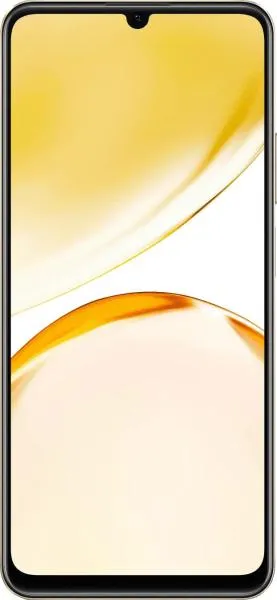
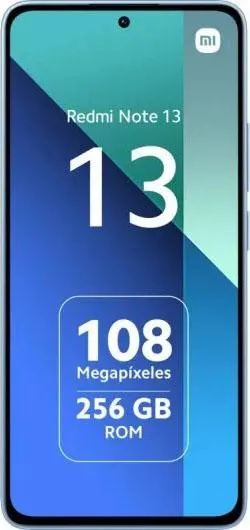
| Feature | Realme C53 | Xiaomi Redmi Note 13 4G | Practical Impact |
|---|---|---|---|
| Design | |||
| Dimensions (mm) | 167.3 x 76.7 x 7.5 | 162.3 x 75.6 x 8 | Redmi Note 13 is slightly shorter and narrower, potentially improving one-handed usability. |
| Weight (g) | 182 | 188.5 | Negligible weight difference in real-world usage. |
| Build | Not specified | Not specified | Cannot compare build quality without material information. |
| Display | |||
| Display Type | IPS LCD | AMOLED | AMOLED offers deeper blacks, more vibrant colors, and potentially better power efficiency. |
| Display Size (inches) | 6.74 | 6.67 | Negligible size difference. |
| Resolution | 1080 x 2400 | 1080 x 2400 | Same resolution, resulting in similar sharpness. |
| Refresh Rate (Hz) | 90 | 120 | 120Hz provides smoother scrolling and animations compared to 90Hz. |
| Peak Brightness (nits) | 560 | 1800 | Redmi Note 13's significantly higher brightness ensures better outdoor visibility. |
| Performance | |||
| Chipset | Unisoc Tiger T612 (12 nm) | Snapdragon 685 (6 nm) | Snapdragon 685 generally offers better performance and efficiency due to its more advanced architecture and smaller process node. |
| CPU | Octa-core (2x1.8 GHz A75 & 6x1.8 GHz A55) | Octa-core (4x2.8 GHz A73 & 4x1.9 GHz A53) | Redmi Note 13 has faster and more powerful CPU cores, leading to significantly better performance in demanding tasks and multitasking. |
| GPU | Mali-G57 | Adreno 610 | Adreno 610 provides better gaming performance compared to Mali-G57. |
| RAM (GB) | 6/8 | 6/8/12 | More RAM options available for Redmi Note 13 potentially enabling better multitasking. |
| Camera | |||
| Main Camera (MP) | 50 | 108 | Redmi Note 13 boasts higher resolution, potentially capturing more detail. However, megapixels alone don't guarantee image quality. |
| Front Camera (MP) | 8 | 16 | Redmi Note 13 has a significantly better selfie camera with higher resolution. |
| Camera Features | Slow Motion Video (60fps) | Redmi Note 13 offers better slow-motion video recording capabilities. | |
| Battery | |||
| Capacity (mAh) | 5000 | 5000 | Same battery capacity, expected similar battery life depending on usage and software optimization. |
| Other | |||
| NFC | No | Yes | Redmi Note 13 supports contactless payments and data transfer via NFC. |
| Operating System | Android 13 | Android 13 (upgradable to 16) | Redmi Note 13 has a longer software update commitment. |
2. Key Differences Analysis
Realme C53 Advantages:
- Potentially Lower Price: While pricing can vary, the C53 is generally positioned as a more budget-friendly option.
Xiaomi Redmi Note 13 4G Advantages:
- Superior Display: AMOLED with 120Hz refresh rate and higher peak brightness provides a significantly better visual experience.
- Significantly Better Performance: The Snapdragon 685 and Adreno 610 offer a noticeable performance advantage for demanding tasks and gaming.
- Enhanced Camera System: Higher resolution main and selfie cameras, along with better slow-motion video capabilities.
- NFC Support: Enables contactless payments and data transfer.
- Longer Software Support: Guaranteed updates to Android 16.
Trade-offs:
- Price: The Redmi Note 13 likely comes at a higher price point for its enhanced features.
3. User Profiles & Recommendations
Realme C53: Budget-conscious users who prioritize basic functionality and long battery life for everyday tasks like calling, messaging, and web browsing.
Xiaomi Redmi Note 13 4G: Users who value a smooth and vibrant display, strong performance for gaming and multitasking, a capable camera system, and NFC functionality. Suitable for content consumption, mobile photography, and moderate gaming.
4. Decision Framework
Key Questions for Buyers:
- What is your budget? The C53 is a more budget-friendly option, while the Redmi Note 13 offers more value for a higher price.
- What are your primary smartphone usage patterns? For basic usage, the C53 suffices. For demanding tasks, gaming, and media consumption, the Redmi Note 13 is superior.
- Which features are most important to you? Prioritize features like display quality, performance, camera capabilities, and NFC support to make an informed decision.
My Choice: Xiaomi Redmi Note 13 4G
The Redmi Note 13 4G offers a significantly better overall package despite the likely higher price. The superior AMOLED display, significantly improved performance, enhanced camera system, NFC functionality, and longer software support make it a more future-proof and versatile device. The performance difference alone would heavily influence my decision, as a smooth and responsive user experience is crucial for daily usage. While the Realme C53 caters to budget-conscious buyers, the Redmi Note 13's advantages justify the price premium for most users.
