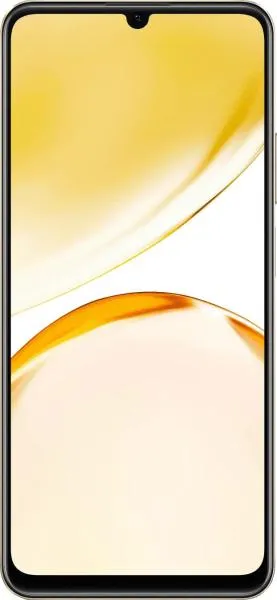
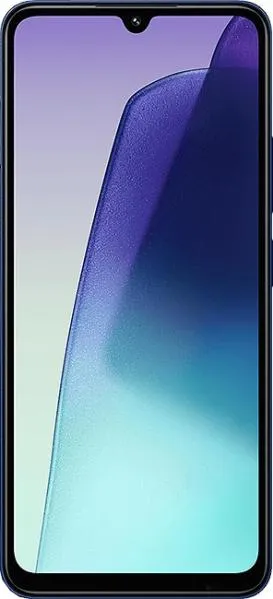
1. Specifications Comparison
| Feature | Realme C53 | Xiaomi Redmi 14C | Practical Impact |
|---|---|---|---|
| Design | |||
| Dimensions (mm) | 167.3 x 76.7 x 7.5 | 171.9 x 77.8 x 8.2 | Redmi 14C is slightly larger and thicker. |
| Weight (g) | 182 | 211 | Realme C53 is noticeably lighter, improving one-handed use. |
| Display | |||
| Size (inches) | 6.74 | 6.88 | Redmi 14C has a marginally larger screen. |
| Resolution (px) | 1080 x 2400 | 720 x 1640 | C53 has a significantly sharper display, resulting in clearer text and images. |
| Refresh Rate (Hz) | 90 | 120 | Redmi 14C offers smoother scrolling and animations. |
| Display Type | IPS LCD | IPS LCD | Both use IPS LCD technology, expecting similar color accuracy and viewing angles. |
| PPI | 390 | 260 | Realme C53's higher pixel density provides a crisper image. |
| Performance | |||
| Chipset | Unisoc Tiger T612 (12 nm) | Mediatek Helio G81 Ultra | Performance differences likely negligible for everyday tasks, though benchmarks would provide a clearer picture. |
| CPU | Octa-core (2x1.8 GHz Cortex-A75 & 6x1.8 GHz Cortex-A55) | Octa-core (2x2.0 GHz Cortex-A75 & 6x1.8 GHz Cortex-A55) | Redmi 14C might have a slight edge in demanding tasks due to the 2.0 GHz cores. |
| GPU | Mali-G57 | Mali-G52 MC2 | Gaming performance likely favors the C53 with its Mali-G57, though real-world testing is needed. |
| RAM (GB) | 6/8 | 4/6/8 | RAM options vary; higher RAM improves multitasking. |
| Camera | |||
| Rear Camera (MP) | 50 + 2 | 50 + 0.8 | Similar primary sensor resolution, but the secondary sensor on the Redmi 14C is practically useless at 0.8MP. |
| Front Camera (MP) | 8 | 13 | Redmi 14C boasts a higher resolution selfie camera. |
| Video Recording | 1080p@30fps | 1080p@30fps | Both offer basic video recording capabilities. |
| Battery | |||
| Capacity (mAh) | 5000 | 5160 | Negligible difference in battery capacity; real-world usage will vary. |
| Other | |||
| NFC | No | Yes | Redmi 14C supports contactless payments and data transfer. |
| OS | Android 13 | Android 14 | Redmi 14C comes with a newer Android version, offering potential features and security updates. |
2. Key Differences Analysis
Realme C53 Advantages:
- Sharper Display: Higher resolution and PPI translate to a noticeably clearer visual experience.
- Potentially Better GPU: Mali-G57 generally outperforms Mali-G52, beneficial for gaming.
- Lighter Weight: More comfortable for extended use and one-handed operation.
Xiaomi Redmi 14C Advantages:
- Higher Refresh Rate: Smoother UI navigation and animations.
- NFC: Enables contactless payments and data transfer.
- Newer Android Version: Access to latest features and security updates.
- Higher Resolution Selfie Camera: Better for video calls and self-portraits.
Trade-offs:
- Redmi 14C's lower resolution display for a larger screen size.
- C53's lack of NFC for its lighter weight.
3. User Profiles & Recommendations
Realme C53: Users prioritizing display clarity, potentially better gaming performance and a lighter phone for everyday tasks, media consumption, and casual gaming.
Xiaomi Redmi 14C: Users prioritizing a smooth user experience, NFC functionality, and the latest Android features. Suitable for general use, social media, and basic productivity. The larger screen may also be preferable for media consumption.
4. Decision Framework
Key Questions:
- Is a sharper display or a smoother refresh rate more important?
- Is NFC a must-have feature?
- How important is having the latest Android version?
Scenario-Based Recommendations:
- Budget-conscious gamer: Realme C53, prioritizing potential graphical performance and display clarity.
- User needing contactless payments: Xiaomi Redmi 14C, due to NFC functionality.
- User wanting the latest software: Xiaomi Redmi 14C, for its newer Android version.
My Choice: Realme C53
While the Redmi 14C offers NFC and a higher refresh rate display, the significantly sharper display and potentially better gaming performance of the Realme C53 are more compelling to me. I value a crisp visual experience and smooth gaming more than a slightly smoother UI and NFC, especially considering the C53 is noticeably lighter. The newer Android version on the Redmi 14C is a plus, but not a deal-breaker for me. Ultimately, the C53's superior display and lighter weight make it the more appealing option for my personal preferences and usage patterns.
