1. Specifications Comparison
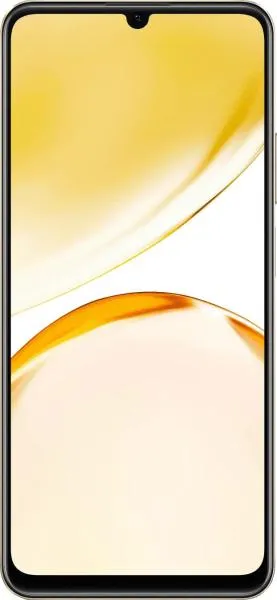
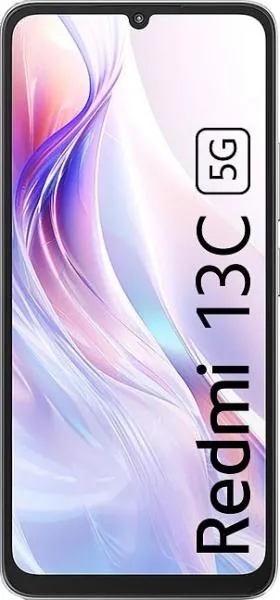
| Feature | Realme C53 | Xiaomi Redmi 13C 5G | Practical Impact |
|---|---|---|---|
| Design | |||
| Dimensions (mm) | 167.3 x 76.7 x 7.5 | 168 x 78 x 8.1 | Redmi 13C is slightly larger and thicker. Negligible difference in daily use. |
| Weight (g) | 182 | 192 | C53 is noticeably lighter, improving one-handed use. |
| Display | |||
| Size (inches) | 6.74 | 6.74 | Same size. |
| Resolution (px) | 1080 x 2400 | 720 x 1600 | C53 has a significantly sharper display, resulting in clearer text and images. |
| PPI | 390 | 260 | C53's higher pixel density leads to a much crisper viewing experience. |
| Refresh Rate (Hz) | 90 | 90 | Both offer smooth scrolling and animations. |
| Display Type | IPS LCD | IPS LCD | Similar display technology, expect comparable color accuracy and viewing angles. However, data is missing regarding brightness for C53 and color depth for both. |
| Performance | |||
| Chipset | Unisoc Tiger T612 (12 nm) | Mediatek Dimensity 6100+ (6 nm) | Redmi 13C's 6nm chipset should offer better performance and power efficiency due to smaller transistors. |
| CPU | Octa-core (2x1.8 GHz Cortex-A75 & 6x1.8 GHz Cortex-A55) | Octa-core (2x2.2 GHz Cortex-A76 & 6x2.0 GHz Cortex-A55) | Redmi 13C has faster and more modern CPU cores, leading to smoother multitasking and faster app loading. |
| GPU | Mali-G57 | Mali-G57 MC2 | While both use the Mali-G57, the Redmi 13C might offer slightly better graphics performance due to potential core count differences (exact core count for C53's GPU is not specified). |
| RAM (GB) | 6/8 | 4/6/8 | Both offer multiple RAM options. More RAM improves multitasking. |
| Camera | |||
| Rear Camera (MP) | 50 + 2 | 50 + 0.8 | Similar main camera resolution. The secondary 2MP depth sensor on the C53 might offer slightly improved portrait mode. Redmi's secondary camera is unspecified and likely less impactful. |
| Front Camera (MP) | 8 | 5 | C53 has a higher resolution front camera, potentially resulting in better selfies. |
| Video Recording | 1080p@30fps | 1080p@30fps | Similar video recording capabilities, but Redmi 13C offers 120fps slow motion, a significant advantage for creative video capture. Information about C53's slow-motion capabilities is missing. |
| Battery | |||
| Capacity (mAh) | 5000 | 5000 | Same battery capacity. Actual battery life depends on usage and optimization. |
2. Key Differences Analysis
Realme C53 Advantages:
- Sharper Display: The higher resolution display provides a noticeably better visual experience.
- Lighter Weight: More comfortable for extended use and one-handed operation.
- Potentially Higher Front Camera Resolution: Could result in better quality selfies.
Xiaomi Redmi 13C 5G Advantages:
- More Powerful Processor: The Dimensity 6100+ provides significantly better performance and efficiency for demanding tasks and gaming.
- 5G Connectivity: Offers faster download and upload speeds in areas with 5G coverage.
- 120fps Slow-Motion Video: Adds a creative element to video recording.
3. User Profiles & Recommendations
Realme C53: Suitable for users who prioritize a large, sharp display for media consumption and casual browsing, and prefer a lightweight phone. Budget-conscious users who don't require high processing power or 5G will find this appealing.
Xiaomi Redmi 13C 5G: Ideal for users who value performance for gaming or demanding applications, require 5G connectivity, and want the option of slow-motion video recording.
4. Decision Framework
Key Questions for Buyers:
- Is 5G connectivity a requirement?
- How important is processing power for gaming and demanding apps?
- What is your budget?
Scenario-Based Recommendations:
- Tight Budget, Media Consumption Focus: Realme C53
- Future-Proofing with 5G, Performance Needs: Xiaomi Redmi 13C 5G
My Choice: Xiaomi Redmi 13C 5G
While the Realme C53 offers a sharper display and lighter weight, the Xiaomi Redmi 13C 5G's superior performance, 5G connectivity, and slow-motion video capabilities make it a more compelling choice for long-term use. The Dimensity 6100+ offers a substantial performance advantage that will provide a smoother and more responsive user experience. 5G future-proofs the device, and the slow-motion video feature adds a fun creative element. While the lower resolution display is a trade-off, the overall performance and feature set of the Redmi 13C 5G outweigh this disadvantage for me. The slightly higher weight is a minor inconvenience compared to the performance gains.
