1. Specifications Comparison
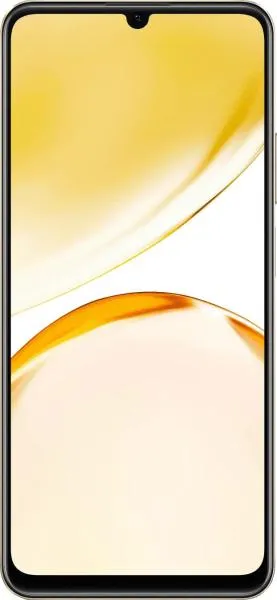
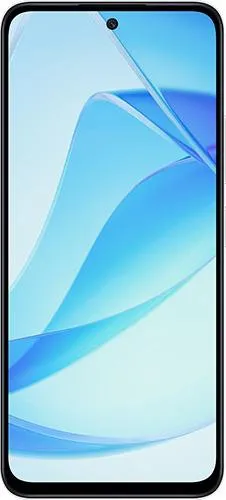
| Feature | Realme C53 | Xiaomi Redmi 12 5G | Practical Impact |
|---|---|---|---|
| Design | |||
| Dimensions (mm) | 167.3 x 76.7 x 7.5 | 168.6 x 76.3 x 8.2 | Redmi 12 5G is slightly larger and thicker. Negligible difference in daily use. |
| Weight (g) | 182 | 199 | Redmi 12 5G is noticeably heavier, potentially impacting one-handed use. |
| Display | |||
| Size (inches) | 6.74 | 6.79 | Negligible difference in screen real estate. |
| Resolution (px) | 1080 x 2400 | 1080 x 2460 | Virtually identical sharpness. |
| Type | IPS LCD, 90Hz | IPS LCD, 90Hz | Both offer smooth scrolling and animations thanks to the 90Hz refresh rate. |
| Peak Brightness (nits) | 560 | 550 | Realme C53 might be slightly brighter outdoors, though the difference is minimal. |
| Performance | |||
| Chipset | Unisoc Tiger T612 (12 nm) | Qualcomm Snapdragon 4 Gen 2 (4 nm) | Snapdragon 4 Gen 2 offers better performance and efficiency due to the smaller 4nm process. |
| CPU | Octa-core (2x1.8 GHz Cortex-A75 & 6x1.8 GHz Cortex-A55) | Octa-core (2x2.2 GHz Cortex-A78 & 6x1.95 GHz Cortex-A55) | Redmi 12 5G has a more powerful CPU architecture, resulting in smoother multitasking and faster app loading. |
| GPU | Mali-G57 | Adreno 613 | Adreno 613 generally provides better gaming performance. |
| RAM (GB) | 6/8 | 4/6/8 | Depends on the specific variant, but more RAM generally improves multitasking. |
| Camera | |||
| Rear Camera (MP) | 50 + 2 | 50 + 2 | Similar primary camera resolution, but image quality could differ due to sensor and processing differences. |
| Selfie Camera (MP) | 8 | 5 | Realme C53 has a higher resolution selfie camera. |
| Video Recording | 1080p@30fps | 1080p@30fps | Both offer basic video recording capabilities. Missing details on slow-motion capabilities for Realme C53. Redmi 12 5G boasts 120fps slow-motion. |
| Battery | |||
| Capacity (mAh) | 5000 | 5000 | Identical battery capacity, but actual battery life depends on usage and optimization. |
| Other | |||
| OS | Android 13 | Android 13 (upgradable to 14) | Redmi 12 5G offers longer software support with the confirmed Android 14 update. |
| 5G | No | Yes | Redmi 12 5G offers faster cellular data speeds and future-proofing. |
| NFC | No | No | Neither phone supports contactless payments. |
2. Key Differences Analysis
Realme C53 Advantages:
- Potentially brighter display: Slightly higher peak brightness might be beneficial in direct sunlight.
- Higher resolution selfie camera: Better for video calls and self-portraits.
- Lighter: More comfortable for extended use and one-handed operation.
Xiaomi Redmi 12 5G Advantages:
- Significantly better performance: Snapdragon 4 Gen 2 offers superior CPU and GPU performance, resulting in a smoother overall experience.
- 5G Connectivity: Faster data speeds and future-proofing.
- Longer software updates: Confirmed Android 14 update ensures longer security and feature support.
- Better Slow-Motion Video: 120fps offers smoother slow-motion capture compared to Realme's unspecified capabilities.
3. User Profiles & Recommendations
Realme C53: Budget-conscious users who prioritize a lightweight phone with a decent display and a good selfie camera. Suitable for basic tasks like social media, browsing, and casual photography.
Xiaomi Redmi 12 5G: Users who value performance, future-proofing with 5G, and longer software support. Suitable for gaming, multitasking, and demanding applications. Better for those who value slow-motion video capture.
4. Decision Framework
Key Questions for Buyers:
- What is your budget? Both are mid-range, but specific variants might have price differences.
- Is 5G connectivity important to you?
- Do you prioritize performance or a lighter, slightly brighter display?
Scenario-Based Recommendations:
- Light user on a tight budget: Realme C53
- Gamer or power user: Xiaomi Redmi 12 5G
- User who wants future-proof phone with longer software support: Xiaomi Redmi 12 5G
My Choice: Xiaomi Redmi 12 5G
While the Realme C53 offers a slightly brighter display and a higher resolution selfie camera, the Xiaomi Redmi 12 5G's superior performance, 5G connectivity, and longer software support make it a more compelling choice for me. The performance difference driven by the Snapdragon 4 Gen 2 would significantly impact daily usage, offering a smoother and more responsive experience. The addition of 5G ensures the phone remains relevant for longer, and the guaranteed Android 14 update provides peace of mind regarding security and new features. The 120fps slow-motion video is also a significant advantage for creative capture. These factors outweigh the minor benefits of the Realme C53, making the Redmi 12 5G the better overall value proposition in my opinion.
