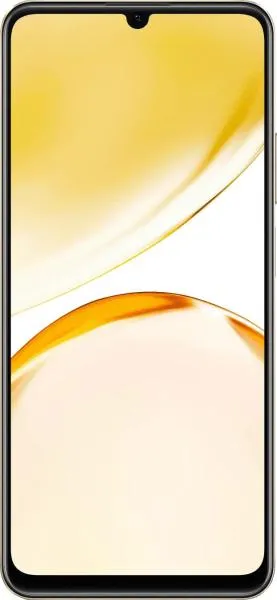
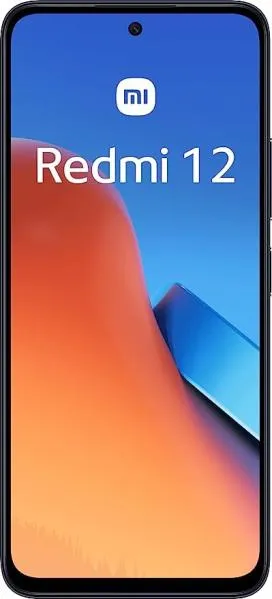
1. Specifications Comparison
| Feature | Realme C53 | Xiaomi Redmi 12 | Practical Impact |
|---|---|---|---|
| Design | |||
| Dimensions (mm) | 167.3 x 76.7 x 7.5 | 168.6 x 76.3 x 8.2 | Redmi 12 slightly larger and thicker. Negligible difference in daily use. |
| Weight (g) | 182 | 198.5 | C53 noticeably lighter, reducing hand fatigue during extended use. |
| Build | Unspecified | Unspecified | Build quality and materials unknown, impacting durability and premium feel. |
| Display | |||
| Size (inches) | 6.74 | 6.79 | Negligible difference in screen real estate. |
| Resolution (pixels) | 1080 x 2400 | 1080 x 2460 | Virtually identical sharpness. |
| Panel Type | IPS LCD | IPS LCD | Similar color reproduction and viewing angles. |
| Refresh Rate (Hz) | 90 | 90 | Both offer smooth scrolling and animations. |
| Peak Brightness (nits) | 560 | 550 | C53 slightly brighter, potentially improving outdoor visibility. |
| Performance | |||
| Chipset | Unisoc Tiger T612 | Mediatek Helio G88 | Both entry-level chipsets; G88 likely offers slightly better performance based on benchmarks (not provided). |
| CPU | Octa-core (2x1.8 GHz A75, 6x1.8 GHz A55) | Octa-core (2x2.0 GHz A75, 6x1.8 GHz A55) | Redmi 12 has slightly faster clock speeds on performance cores, potentially leading to quicker app loading and multitasking. |
| GPU | Mali-G57 | Mali-G52 MC2 | G57 generally performs better in graphics-intensive tasks like gaming, though specific model variations matter. |
| RAM | 6GB/8GB | 4GB/6GB/8GB | More RAM options available for both. 8GB provides smoother multitasking. |
| Camera | |||
| Rear Camera | 50MP Main, 2MP Depth | 50MP Main, 8MP Wide, 2MP Macro | Redmi 12 offers greater versatility with wide-angle and macro lenses. |
| Front Camera | 8MP | 8MP | Similar selfie camera resolution. |
| Video Recording | 1080p@30fps | 1080p@30fps | Identical video resolution and frame rate. Redmi 12 specs suggest 120fps slow-motion capability, a significant advantage. |
| Battery | |||
| Capacity (mAh) | 5000 | 5000 | Identical battery capacity, expected similar battery life. Real-world usage varies. |
| Charging Speed | Unspecified | Unspecified | Charging speed unknown, impacting daily convenience. |
| Other | |||
| NFC | No | Yes | Redmi 12 supports contactless payments and data transfer via NFC. |
| OS | Android 13 | Android 13 (upgradable to 14) | Redmi 12 has a confirmed OS upgrade path, providing longer software support and security updates. |
2. Key Differences Analysis
Realme C53 Advantages:
- Lighter: Noticeably lighter, more comfortable for extended use.
- Potentially Brighter Display: Might offer slightly better outdoor visibility.
Xiaomi Redmi 12 Advantages:
- More Versatile Camera: Wide and macro lenses enable wider range of photography.
- NFC: Enables contactless payments and other NFC functionalities.
- Confirmed OS Upgrade: Longer software support and security updates.
- Potentially Better Performance: Slightly faster CPU and potentially more powerful GPU based on general model comparisons. Slow-motion video recording.
Trade-offs:
- The Redmi 12's added features (NFC, camera versatility) come at the cost of slightly increased weight.
3. User Profiles & Recommendations
Realme C53:
- Ideal User: Budget-conscious users prioritizing a lightweight phone for basic tasks (calling, messaging, social media).
- Use Cases: Everyday communication, light web browsing, casual photography.
Xiaomi Redmi 12:
- Ideal User: Users seeking a well-rounded budget phone with versatile camera, NFC, and longer software support.
- Use Cases: Mobile photography enthusiasts, users relying on contactless payments, those desiring future-proof software.
4. Decision Framework
Key Questions:
- Is NFC essential? If contactless payments are a must-have, the Redmi 12 is the only option.
- Is camera versatility important? The Redmi 12's wide and macro lenses offer more shooting options.
- How important is long-term software support? Redmi 12's confirmed OS upgrade provides longer security updates.
Scenario-Based Recommendations:
- Tight Budget, Basic Needs: Realme C53
- Balanced Features and Value: Xiaomi Redmi 12
My Choice: Xiaomi Redmi 12
While the Realme C53 offers a lighter design, the Redmi 12 provides a more compelling overall package. The inclusion of NFC, a more versatile camera system with slow-motion video, and the confirmed Android 14 upgrade significantly enhance its value proposition. These features outweigh the slight weight difference for most users. The potentially superior performance of the Redmi 12, while needing benchmarks to confirm definitively, further strengthens its position as the better choice.
