
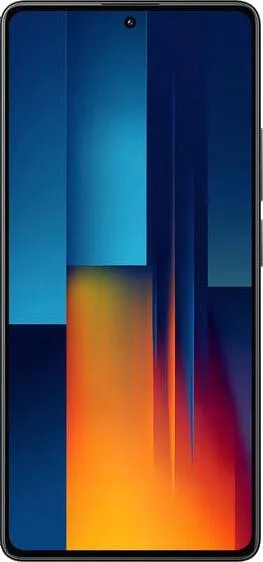
1. Specifications Comparison
| Feature | Realme C53 | Xiaomi Poco M6 Pro | Practical Impact |
|---|---|---|---|
| Design | |||
| Dimensions (mm) | 167.3 x 76.7 x 7.5 | 161.1 x 75 x 8 | Poco M6 Pro is slightly smaller and may feel more comfortable in hand. |
| Weight (g) | 182 | 179 | Negligible weight difference. |
| Build | Not specified | Not specified | Build quality and materials cannot be compared without further information. |
| Display | |||
| Display Type | IPS LCD | AMOLED | AMOLED offers deeper blacks, vibrant colors, and better power efficiency in dark mode. |
| Display Size (inches) | 6.74 | 6.67 | Negligible size difference. |
| Resolution | 1080 x 2400 | 1080 x 2400 | Same resolution, resulting in similar sharpness. |
| Refresh Rate (Hz) | 90 | 120 | Poco M6 Pro's 120Hz display provides smoother scrolling and animations. |
| Peak Brightness (nits) | 560 | 1300 | Poco M6 Pro's significantly higher peak brightness ensures better visibility outdoors. |
| Performance | |||
| Chipset | Unisoc Tiger T612 (12 nm) | Mediatek Helio G99 Ultra | Poco M6 Pro's Helio G99 offers better CPU performance, especially in demanding tasks. |
| CPU | Octa-core (2x1.8 GHz Cortex-A75 & 6x1.8 GHz Cortex-A55) | Octa-core (2x2.2 GHz Cortex-A76 & 6x2.0 GHz Cortex-A55) | Poco M6 Pro has faster and more efficient CPU cores. |
| GPU | Mali-G57 | Mali-G57 MC2 | Poco M6 Pro's GPU may offer slightly improved gaming performance, though both are entry-level GPUs. |
| RAM | 6/8GB | 6/8/12GB | Poco M6 Pro offers a 12GB RAM option for better multitasking. |
| Camera | |||
| Rear Camera | 50MP Main, 2MP Depth | 64MP Main, 8MP Wide, 2MP Depth | Poco M6 Pro offers a higher resolution main sensor and a dedicated wide-angle lens, providing more versatile photography. |
| Front Camera | 8MP | 16MP | Poco M6 Pro boasts a higher resolution selfie camera. |
| Video Recording | 1080p@30fps | 1080p@30/60fps with EIS | Poco M6 Pro offers higher frame rate video recording and Electronic Image Stabilization (EIS) for smoother videos. |
| Battery | |||
| Capacity (mAh) | 5000 | 5000 | Same battery capacity; real-world battery life will depend on usage and optimization. |
| Other | |||
| NFC | No | Yes | Poco M6 Pro supports contactless payments and data transfer via NFC. |
| OS | Android 13 | Android 13 | Both run on Android 13, though custom UI and features may differ. |
| Price | Medium | Medium | Pricing may vary based on storage configuration; specific price comparison is needed. |
2. Key Differences Analysis
Realme C53 Advantages:
- Potentially lower price: Depending on specific configurations, the C53 may be more budget-friendly.
Xiaomi Poco M6 Pro Advantages:
- Superior Display: AMOLED with 120Hz refresh rate and higher peak brightness provides a smoother and more vibrant viewing experience.
- Better Performance: More powerful processor and GPU for smoother multitasking and gaming.
- More Versatile Camera System: Higher resolution main sensor, wide-angle lens, and better video recording capabilities.
- NFC: Enables contactless payments and data transfer.
3. User Profiles & Recommendations
Realme C53: Budget-conscious users who prioritize basic smartphone functionality for everyday tasks like calling, texting, and browsing.
Xiaomi Poco M6 Pro: Users who value a better display, smoother performance, a more versatile camera system, and NFC functionality. Suitable for mobile gaming, media consumption, and photography enthusiasts.
4. Decision Framework
Key Questions for Buyers:
- What is your budget? The C53 is likely the more affordable option.
- What are your primary smartphone usage patterns? The Poco M6 Pro is better suited for demanding tasks like gaming and media consumption.
- Which features are most important to you? Consider display quality, camera capabilities, performance, and NFC support.
My Choice: Xiaomi Poco M6 Pro
While pricing information isn't complete enough for a definitive price-to-value comparison, the Xiaomi Poco M6 Pro offers significant advantages in key areas like display, performance, camera, and features (NFC) that enhance the overall user experience. The AMOLED display with 120Hz, the more powerful Helio G99 chipset, and the versatile camera system with a wide-angle lens make it a more compelling device for a wider range of users. Even if the Poco M6 Pro is slightly more expensive, the upgrades justify the price difference for most users beyond those strictly on the tightest budget. The Realme C53's main advantage is its potential affordability, making it suitable for budget-conscious buyers who prioritize basic functionality.
