
1. Specifications Comparison
| Feature | Realme C53 | vivo iQOO 12 | Practical Impact |
|---|---|---|---|
| Design | |||
| Dimensions (mm) | 167.3 x 76.7 x 7.5 | 163.2 x 75.9 x 8.1 | iQOO 12 is slightly shorter, narrower, and thicker but heavier overall. Negligible difference in everyday use. |
| Weight (g) | 182 | 198.5 | C53 is noticeably lighter, reducing hand fatigue during extended use. |
| Build | Unspecified | Unspecified | Build materials impact durability and premium feel; information lacking for both. |
| Display | |||
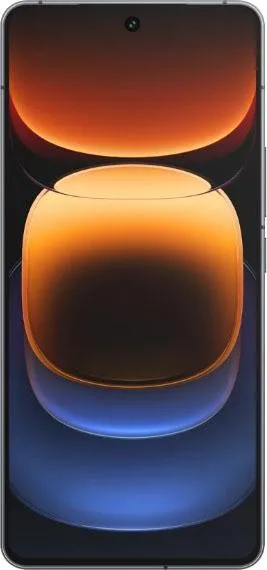
| Display Type | IPS LCD | LTPO AMOLED | iQOO 12's AMOLED offers superior contrast, deeper blacks, and potentially better power efficiency due to LTPO. |
| Display Size (inches) | 6.74 | 6.78 | Negligible difference in screen real estate. |
| Resolution | 1080 x 2400 | 1260 x 2800 | iQOO 12 has a sharper display with higher pixel density, resulting in crisper text and images. |
| Refresh Rate (Hz) | 90 | 144 | iQOO 12's 144Hz display delivers significantly smoother animations and scrolling compared to C53's 90Hz. |
| Peak Brightness (nits) | 560 | 3000 | iQOO 12 is vastly brighter, ensuring excellent outdoor visibility even in direct sunlight. |
| Performance | |||
| Chipset | Unisoc Tiger T612 (12 nm) | Snapdragon 8 Gen 3 (4 nm) | iQOO 12's Snapdragon 8 Gen 3 offers a massive performance advantage for demanding tasks, gaming, and multitasking. |
| CPU | Octa-core (2x1.8 GHz Cortex-A75 & 6x1.8 GHz Cortex-A55) | Octa-core (1x3.3 GHz Cortex-X4 & 3x3.2 GHz Cortex-A720 & 2x3.0 GHz Cortex-A720 & 2x2.3 GHz Cortex-A520) | iQOO 12 boasts a significantly more powerful CPU architecture, translating to faster processing speeds. |
| GPU | Mali-G57 | Adreno 750 | iQOO 12's Adreno 750 provides a substantial leap in graphics performance, enabling high-quality gaming and smoother graphics rendering. |
| RAM | 6GB/8GB | 12GB/16GB | iQOO 12 offers significantly more RAM, enabling superior multitasking and preventing app closures in the background. |
| Camera | |||
| Rear Camera | 50MP Main + 2MP Depth | 50MP Main + 50MP Wide + 64MP Telephoto | iQOO 12 features a triple camera system with versatile options including wide-angle and telephoto, absent in the C53. |
| Video Recording | 1080p@30fps | Up to 8K@30fps | iQOO 12 supports significantly higher video resolution and frame rates, enabling higher quality video recording. |
| Battery | |||
| Capacity (mAh) | 5000 | 5000 | Similar battery capacities suggest comparable battery life, though real-world usage may vary due to display and processor differences. |
| Charging Speed | Unspecified | Unspecified | Charging speed significantly impacts downtime; information is missing for both. |
2. Key Differences Analysis
Realme C53 Advantages:
- Lighter Weight: Noticeably more comfortable for extended use.
- Lower Price: Offers a budget-friendly option.
vivo iQOO 12 Advantages:
- Superior Performance: Significantly faster processor, GPU, and more RAM for a smoother and more responsive experience.
- High-Quality Display: AMOLED with higher resolution, refresh rate, and peak brightness provides a vastly improved visual experience.
- Versatile Camera System: Triple camera setup with wide-angle and telephoto lenses offers greater flexibility for photography.
- Advanced Connectivity: Supports newer Wi-Fi and Bluetooth standards, NFC for contactless payments.
3. User Profiles & Recommendations
Realme C53: Ideal for budget-conscious users who prioritize basic smartphone functionality like calling, texting, web browsing, and social media.
vivo iQOO 12: Suitable for power users, gamers, and photography enthusiasts who demand top-tier performance, a premium display, and a versatile camera system. Good for future-proofing due to latest connectivity standards.
4. Decision Framework
Key Questions for Buyers:
- What is your budget? The C53 is significantly more affordable.
- What are your primary smartphone usage patterns? For basic tasks, the C53 suffices; for demanding tasks and gaming, the iQOO 12 is necessary.
- How important is display quality and camera versatility? The iQOO 12 offers a substantial upgrade in both areas.
My Choice: vivo iQOO 12
While the Realme C53 offers an attractive price point, the vivo iQOO 12's significant advantages in performance, display, camera, and connectivity make it the clear winner for me. I prioritize a smooth and responsive user experience, a vibrant display for media consumption, and a capable camera system. The iQOO 12's future-proof features like Wi-Fi 7 and Bluetooth 5.4 also add to its long-term value. The price difference is justified by the substantial leap in overall quality and capabilities. I'd rather invest in a phone that will meet my needs for years to come.
