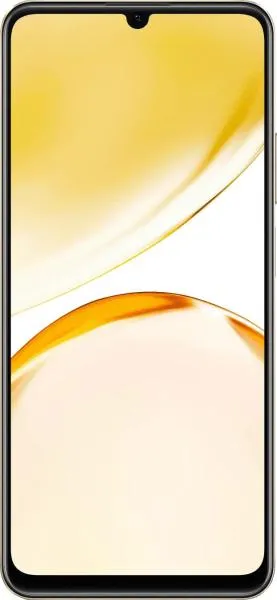
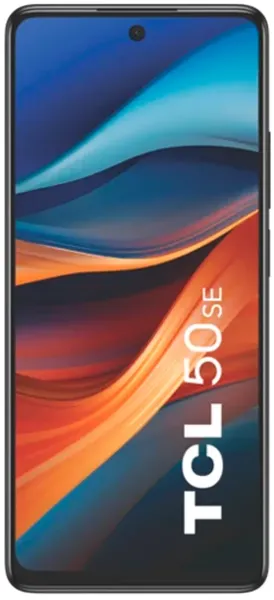
1. Specifications Comparison
| Feature | Realme C53 | TCL 50 SE | Practical Impact |
|---|---|---|---|
| Design | |||
| Dimensions (mm) | 167.3 x 76.7 x 7.5 | 168.2 x 75.5 x 8.1 | TCL 50 SE is slightly larger and thicker. Negligible difference in daily use. |
| Weight (g) | 182 | 195 | Realme C53 is noticeably lighter, improving one-handed use and portability. |
| Display | |||
| Size (inches) | 6.74 | 6.78 | Negligible difference in screen real estate. |
| Resolution (pixels) | 1080 x 2400 | 1080 x 2460 | Virtually identical screen sharpness. |
| Panel Type | IPS LCD | IPS LCD | Both offer similar color accuracy and viewing angles. |
| Refresh Rate (Hz) | 90 | 90 | Both provide smooth scrolling and animations. |
| Peak Brightness (nits) | 560 | 550 (typical), 900 (peak) | TCL 50 SE has a significantly higher peak brightness, making it more readable outdoors. |
| Performance | |||
| Chipset | Unisoc Tiger T612 | Mediatek Helio G88 | Both are entry-level chipsets, but Helio G88 generally offers slightly better performance in benchmarks. Real-world difference might be minimal for basic tasks. |
| CPU | Octa-core (2x1.8 GHz A75 & 6x1.8 GHz A55) | Octa-core (2x2.0 GHz A75 & 6x1.8 GHz A55) | TCL 50 SE has slightly faster clock speeds, potentially offering quicker app loading and multitasking. |
| GPU | Mali-G57 | Mali-G52 MC2 | Mali-G57 generally performs better in graphics-intensive tasks. The real-world gaming experience might vary. |
| RAM (GB) | 6/8 | 4/6 | Realme offers a higher RAM configuration, potentially improving multitasking and reducing app closures. |
| Camera | |||
| Main Camera (MP) | 50 | 50 | Similar resolution, image quality will depend on sensor and software processing which cannot be fully compared with available data. |
| Secondary Camera | 2MP Depth | 2MP Macro | Realme offers a depth sensor for portrait mode, TCL offers a macro lens for close-up shots. Preference depends on user needs. |
| Selfie Camera (MP) | 8 | 8 | Similar resolution; image quality depends on sensor and software. |
| Video Recording | 1080p@30fps | 1080p@30fps | Both offer basic video recording capabilities. |
| Battery | |||
| Capacity (mAh) | 5000 | 5010 | Virtually identical battery capacity, expected similar battery life. |
| Other | |||
| NFC | No | Yes | TCL 50 SE supports contactless payments and data transfer via NFC. |
| OS | Android 13 | Android 14 | TCL 50 SE comes with a newer Android version, offering potential feature and security advantages. |
| Price | Medium | Medium | Exact price comparison needed for accurate value assessment. TCL 50 SE appears more expensive based on limited data. |
2. Key Differences Analysis
Realme C53 Advantages:
- Lighter: More comfortable for extended use and portability.
- Potentially Cheaper: Depending on specific configuration and retailer.
- Higher RAM options: Better multitasking performance.
TCL 50 SE Advantages:
- Brighter Display: Easier to use outdoors in sunlight.
- NFC: Enables contactless payments and other NFC functionalities.
- Newer Android Version: Access to latest features and security updates.
- Slightly faster CPU: Could result in slightly improved performance in daily use.
Trade-offs:
- Realme C53: Lacks NFC, older Android version.
- TCL 50 SE: Heavier, potentially more expensive, lower base RAM option.
3. User Profiles & Recommendations
Realme C53: Suitable for budget-conscious users who prioritize a lightweight phone for basic tasks like calling, texting, social media, and light web browsing. Good for users who don't need NFC.
TCL 50 SE: Ideal for users who need a bright display for outdoor use, NFC for contactless payments, and prefer a newer Android version. Suitable for similar use cases as the Realme C53, but with added benefits for specific needs.
4. Decision Framework
Key Questions for Buyers:
- Budget: How much are you willing to spend?
- NFC Importance: Do you need contactless payments and data transfer?
- Outdoor Usage: Do you frequently use your phone in bright sunlight?
Scenario-Based Recommendations:
- Tight Budget, NFC not crucial: Realme C53
- Need NFC, value bright display: TCL 50 SE
- Prioritize latest software and outdoor usability: TCL 50 SE
My Choice: TCL 50 SE
While the Realme C53 is lighter and potentially cheaper, the TCL 50 SE offers significant advantages that outweigh these benefits for me. NFC is essential for my daily use of contactless payments, and the brighter display is crucial for outdoor readability. The newer Android version ensures longer software support and access to the latest features. While the slightly higher price might be a factor, the added functionalities and improved user experience of the TCL 50 SE make it the better choice for my needs. The slightly faster processor is a bonus, though real-world performance differences between the two phones might be minimal for my typical usage.
