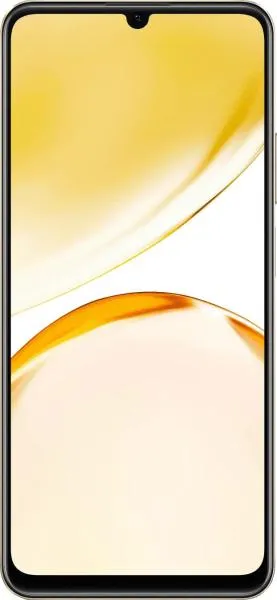
1. Specifications Comparison
| Feature | Realme C53 | realme 8 | Practical Impact |
|---|---|---|---|
| Design | |||
| Dimensions (mm) | 167.3 x 76.7 x 7.5 | 162 x 75.1 x 8.7 | Realme C53 is slightly larger and thinner. Realme 8 might feel slightly more compact in hand. |
| Weight (g) | 182 | 191 | Realme C53 is noticeably lighter, enhancing one-handed usability. |
| Display | |||
| Display Type | IPS LCD, 90Hz | LTPO AMOLED, 120Hz | Realme 8 offers superior contrast, deeper blacks, and smoother scrolling due to AMOLED and higher refresh rate. LTPO allows for variable refresh rate, saving battery. |
| Display Size (inches) | 6.74 | 6.78 | Negligible difference in screen real estate. |
| Resolution (px) | 1080 x 2400 | 1264 x 2780 | Realme 8 has a sharper display with higher pixel density, resulting in clearer text and images. |
| Peak Brightness (nits) | 560 | 6000 (peak), 1000 (typical) | Realme 8 offers significantly higher peak brightness, ensuring excellent outdoor visibility. |
| Performance | |||
| Chipset | Unisoc Tiger T612 (12 nm) | Snapdragon 7+ Gen 3 (4 nm) | Realme 8 boasts a significantly more powerful and efficient processor, resulting in much faster performance, smoother multitasking, and better gaming capabilities. |
| CPU | Octa-core (2x1.8 GHz A75 & 6x1.8 GHz A55) | Octa-core (1x2.8 GHz X4 & 4x2.6 GHz A720 & 3x1.9 GHz A520) | Realme 8's CPU architecture is considerably more advanced, offering substantial performance gains. |
| GPU | Mali-G57 | Adreno 732 | Realme 8's GPU is significantly more powerful, enabling smoother gaming and faster graphics rendering. |
| RAM | 6GB/8GB (depending on version) | 12GB | Realme 8 offers more RAM, improving multitasking and overall system responsiveness. We lack RAM data for the compared Realme C53 version. |
| Camera | |||
| Rear Camera | 50MP + 2MP | Missing information | Insufficient information to compare camera quality. Realme C53 has a 50MP main and a 2MP depth sensor. We lack full details for both, including aperture, sensor size, and features. |
| Front Camera | 8MP | Missing information | Insufficient information to compare front camera quality. |
| Battery | |||
| Capacity (mAh) | 5000 | 5500 | Realme 8 has a slightly larger battery, potentially offering longer battery life. |
| Other | |||
| NFC | No | Yes | Realme 8 supports NFC for contactless payments and other functionalities. |
| OS | Android 13 | Android 14 | Realme 8 comes with a newer Android version, potentially offering newer features and security updates. |
2. Key Differences Analysis
Realme C53 Advantages:
- Lighter: Noticeably lighter, making it more comfortable for extended use.
- More Affordable: Generally priced lower than the Realme 8.
Realme 8 Advantages:
- Significantly More Powerful: The Snapdragon 7+ Gen 3 chip offers a substantial performance advantage for demanding tasks and gaming.
- Superior Display: AMOLED technology with 120Hz refresh rate and higher resolution delivers vibrant colors, deeper blacks, smoother scrolling, and better outdoor visibility.
- Larger Battery: Offers a slightly larger battery capacity.
- NFC: Supports NFC for contactless payments.
- Newer Android Version: Comes with Android 14, offering potential software advantages.
3. User Profiles & Recommendations
Realme C53: Budget-conscious users who prioritize basic smartphone functionalities like calling, texting, web browsing, and social media. Suitable for light users who don't demand high performance or advanced features.
Realme 8: Users who prioritize performance, a high-quality display, and future-proofing. Ideal for gamers, power users, and those who consume multimedia content extensively.
4. Decision Framework
Key Questions for Buyers:
- What is your budget? The Realme C53 is a more budget-friendly option.
- What are your primary smartphone usage patterns? Light users might find the C53 sufficient, while power users will appreciate the Realme 8's performance.
- How important are display quality and features like NFC? The Realme 8 offers a superior display and NFC functionality.
My Choice: realme 8
While lacking some camera details, the Realme 8 is the clear winner for me. The significantly more powerful processor, superior AMOLED display with 120Hz, larger battery, NFC functionality, and newer Android version make it a much more compelling device. While the Realme C53 offers a lighter weight and lower price, the performance and feature gap is substantial enough to justify the price difference for most users who want a future-proof phone with a smooth and enjoyable user experience. The superior chipset alone would ensure a much longer usable lifespan for the phone before becoming obsolete.
