1. Specifications Comparison
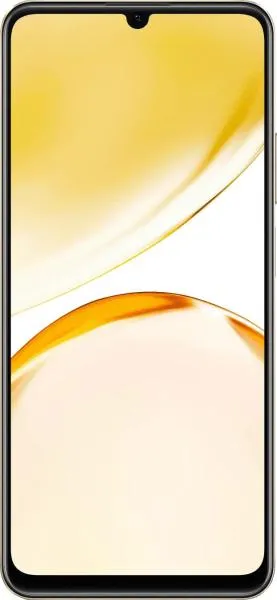
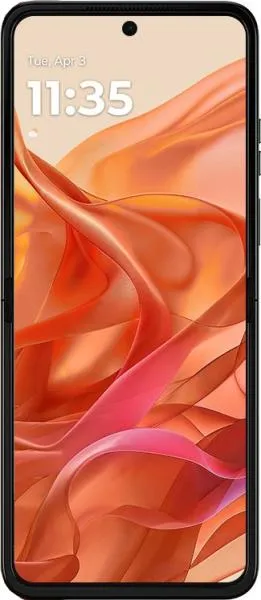
| Feature | Realme C53 | Motorola Razr 50 | Practical Impact |
|---|---|---|---|
| Design | |||
| Dimensions (mm) | 167.3 x 76.7 x 7.5 | 171.3 x 74 x 7.3 | Razr 50 slightly taller and narrower, both are slim. Foldable design of Razr 50 is a significant differentiator for portability. |
| Weight (g) | 182 | 188.4 | Negligible weight difference. |
| Build | Not specified | Not specified | Build materials impact durability and premium feel; information lacking for both. |
| Display | |||
| Type | IPS LCD | Foldable LTPO AMOLED | Razr 50 offers superior contrast, colors, and potentially power efficiency due to LTPO. Foldable display enables compact storage. |
| Size (inches) | 6.74 | 6.9 | Razr 50 slightly larger; real-world difference minimal. |
| Resolution | 1080 x 2400 | 1080 x 2640 | Similar sharpness; Razr 50 slightly taller aspect ratio. |
| Refresh Rate (Hz) | 90 | 120 | Razr 50 smoother scrolling and animations. |
| Peak Brightness (nits) | 560 | 3000 | Razr 50 significantly brighter, crucial for outdoor visibility. |
| HDR | No | HDR10+ | Razr 50 supports HDR content for richer visuals in compatible media. |
| Performance | |||
| Chipset | Unisoc Tiger T612 (12 nm) | Mediatek Dimensity 7300X (4 nm) | Razr 50's 7300X significantly more powerful and efficient due to smaller process node. Expect smoother multitasking and better gaming performance. |
| CPU | Octa-core (2x1.8 GHz A75 & 6x1.8 GHz A55) | Octa-core (4x2.5 GHz A78 & 4x2.0 GHz A55) | Razr 50 has faster and more powerful CPU cores. |
| GPU | Mali-G57 | Mali-G615 MC2 | Razr 50 boasts a more powerful GPU, beneficial for gaming and graphically demanding tasks. |
| RAM | 6/8 GB | 8/12 GB | Razr 50 offers more RAM in some variants, improving multitasking and app performance. |
| Camera | |||
| Main Camera | 50MP | 50MP | Resolution similar; sensor quality and features likely differ, details lacking. |
| Selfie Camera | 8MP | 32MP | Razr 50's significantly higher resolution selfie camera will produce better quality photos and videos. |
| Video Recording | 1080p@30fps | 4K@30fps | Razr 50 capable of much higher resolution video recording. |
| Battery | |||
| Capacity (mAh) | 5000 | 4200 | Realme C53 has larger battery capacity, potentially longer battery life. Razr 50's more efficient chipset might offset this difference. Foldable displays often consume more power. |
| Charging Speed | Not specified | Not specified | Charging speed significantly impacts usability; information lacking for both. |
2. Key Differences Analysis
Realme C53 Advantages:
- Potentially longer battery life: Larger 5000mAh battery.
- Lower price: Significantly more affordable.
Motorola Razr 50 Advantages:
- Significantly more powerful: Dimensity 7300X chipset and more RAM.
- Higher quality display: Foldable LTPO AMOLED with HDR10+ and higher brightness.
- Foldable design: Offers unique portability and form factor.
- Better camera system: Higher resolution selfie camera and 4K video recording.
- 5G Connectivity: Offers faster data speeds and future-proofing.
- More updated OS: Android 14 vs Android 13
3. User Profiles & Recommendations
Realme C53: Budget-conscious users prioritizing battery life and basic functionality. Suitable for:
- Casual users primarily using social media, browsing, and communication.
- Users seeking a large screen for media consumption.
Motorola Razr 50: Users prioritizing performance, cutting-edge technology, and a unique design. Suitable for:
- Users who value portability and a compact form factor.
- Power users demanding smooth multitasking and gaming performance.
- Users who consume HDR content and require excellent display quality.
- Users who want the latest technology and features like 5G and a foldable screen.
4. Decision Framework
Key Questions for Buyers:
- Budget: How much are you willing to spend?
- Performance Needs: Do you need a powerful phone for demanding tasks or just basic functionality?
- Form Factor: Is portability and a unique design a priority?
Scenario-based Recommendations:
- Tight Budget: Realme C53
- Power User: Motorola Razr 50
- Unique Design and Portability: Motorola Razr 50
My Choice: Motorola Razr 50
While the Realme C53 offers a larger battery and a lower price, the Motorola Razr 50's superior performance, stunning display, innovative foldable design, and advanced features like 5G make it the clear winner for me. The price difference is significant, but the Razr 50 offers a substantial upgrade in almost every aspect of the user experience. I value a smooth and responsive user experience, a bright and vibrant display, and the latest technology, which the Razr 50 delivers. The foldable design is a compelling bonus for its portability and unique form factor.
