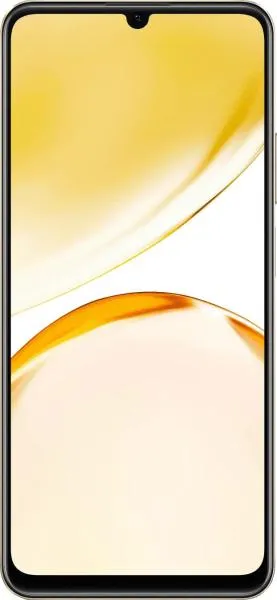
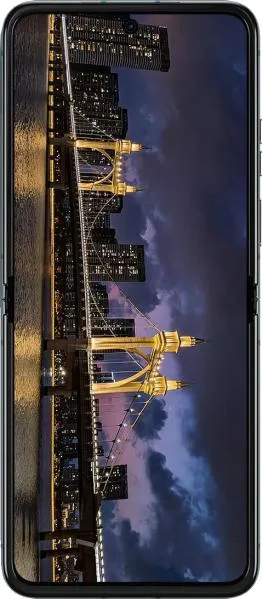
1. Specifications Comparison
| Feature | Realme C53 | Motorola Razr 40 Ultra | Practical Impact |
|---|---|---|---|
| Design | |||
| Dimensions (mm) | 167.3 x 76.7 x 7.5 | 170.8 x 74 x 7 | Razr 40 Ultra is slightly taller and narrower, significantly thinner when unfolded. C53 is a traditional slab phone. |
| Weight (g) | 182 | 184.5 | Negligible weight difference. |
| Foldable | No | Yes | Razr's foldable design offers portability and a unique form factor but introduces potential durability concerns. |
| Display | |||
| Size (inches) | 6.74 | 6.9 | Razr has a slightly larger main display. |
| Type | IPS LCD | Foldable LTPO AMOLED | Razr's AMOLED offers superior contrast, deeper blacks, and potentially better power efficiency due to LTPO. C53's LCD is generally less vibrant. |
| Refresh Rate (Hz) | 90 | 165 | Razr's higher refresh rate results in smoother animations and scrolling. Noticeable difference in responsiveness. |
| Resolution (px) | 1080 x 2400 | 1080 x 2640 | Similar sharpness due to comparable pixel density. |
| Peak Brightness (nits) | 560 | 1400 | Razr's significantly higher brightness ensures better outdoor visibility. |
| Performance | |||
| Chipset | Unisoc Tiger T612 (12 nm) | Qualcomm Snapdragon 8+ Gen 1 (4 nm) | Razr boasts a vastly more powerful processor, resulting in significantly faster performance in demanding tasks, gaming, and multitasking. |
| CPU | Octa-core (2x1.8 GHz A75 & 6x1.8 GHz A55) | Octa-core (1x3.19 GHz X2 & 3x2.75 GHz A710 & 4x1.80 GHz A510) | Razr's CPU architecture is more modern and powerful. |
| GPU | Mali-G57 | Adreno 730 | Razr's GPU provides a substantial leap in graphics performance, enabling high-quality gaming and smooth graphics rendering. |
| RAM (GB) | 6/8 (depending on Version) | 8/12 (depending on version) | Both offer ample RAM for multitasking, but Razr's higher RAM options provide more headroom for demanding applications. |
| Camera | |||
| Main Camera (MP) | 50 | 12 | Despite lower megapixels, Razr's sensor likely utilizes larger pixels and superior processing, potentially resulting in better image quality. Megapixel count isn't everything. |
| Selfie Camera (MP) | 8 | 32 | Razr offers a significantly higher resolution selfie camera. |
| Video Recording | 1080p@30fps | Up to 4K@60fps | Razr offers superior video recording capabilities with higher resolution and frame rates. |
| Battery | |||
| Capacity (mAh) | 5000 | 3800 | C53 has a larger battery capacity, potentially offering longer battery life. However, Razr's LTPO display and power-efficient chipset could mitigate this difference. Real-world usage will vary. |
2. Key Differences Analysis
Realme C53 Advantages:
- Lower Price: Significantly more affordable.
- Larger Battery: Potentially longer battery life.
- Standard Slab Design: Familiar and potentially more durable form factor.
Motorola Razr 40 Ultra Advantages:
- Significantly More Powerful: Superior performance in all tasks.
- High-Quality Display: Foldable AMOLED with vibrant colors, high refresh rate, and excellent brightness.
- Premium Design: Unique and compact foldable form factor.
- Better Cameras: Potentially superior image and video quality despite lower megapixel count on the main sensor.
- 5G Connectivity: Offers faster cellular data speeds where available. Realme C53 only offers up to 4G.
3. User Profiles & Recommendations
Realme C53: Budget-conscious users prioritizing basic functionality, long battery life, and affordability. Ideal for:
- Casual users primarily using social media, browsing, and communication apps.
- Users in areas with limited 5G availability.
- Students or individuals on a tight budget.
Motorola Razr 40 Ultra: Users prioritizing cutting-edge technology, premium design, top-tier performance, and willing to pay a premium. Ideal for:
- Power users demanding fast performance for gaming, multitasking, and demanding applications.
- Users who value portability and a unique form factor.
- Content creators who require high-quality cameras and video recording capabilities.
4. Decision Framework
Key Questions for Buyers:
- What is your budget? The price difference is significant.
- What are your performance needs? Casual usage vs. demanding tasks and gaming.
- Do you prioritize portability and a unique design or a larger battery and affordability?
Scenario-Based Recommendations:
- Limited Budget, Basic Needs: Realme C53
- Demanding User, Value Performance: Motorola Razr 40 Ultra
- Prioritize Portability and Style: Motorola Razr 40 Ultra
- Longest Possible Battery Life: Realme C53 (Potentially, real-world usage may vary)
My Choice: Motorola Razr 40 Ultra
While the Realme C53 offers excellent value for its price, I would choose the Motorola Razr 40 Ultra. The significantly superior performance, stunning display, and unique foldable design are compelling. I am willing to pay the premium for the flagship-level experience and the innovative form factor. The compact size when folded is a major advantage for portability. Although the battery capacity is smaller, I believe the power efficiency of the chipset and LTPO display will provide acceptable battery life for my usage. The advanced camera features and future-proof 5G connectivity are also crucial factors in my decision. While I acknowledge the potential durability concerns of foldable phones, the overall benefits outweigh the risks for me.
