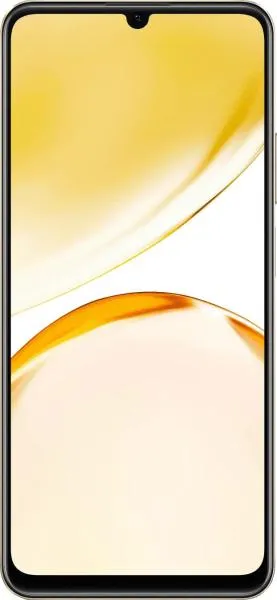
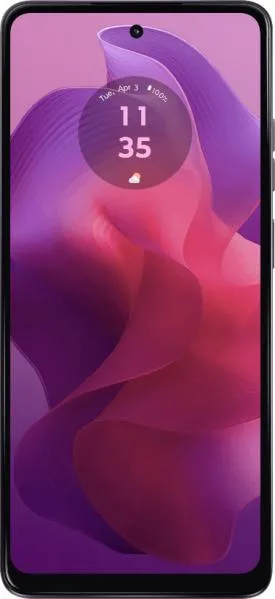
1. Specifications Comparison
| Feature | Realme C53 | Motorola Moto G24 | Practical Impact |
|---|---|---|---|
| Design | |||
| Dimensions (mm) | 167.3 x 76.7 x 7.5 | 163.5 x 74.5 x 8 | Moto G24 is slightly smaller and may feel more comfortable in hand. |
| Weight (g) | 182 | 181 | Negligible weight difference. |
| Build | Not specified | Not specified | Build quality cannot be compared without further information. |
| Display | |||
| Size (inches) | 6.74 | 6.56 | Realme C53 has a larger display, better for media consumption. |
| Resolution (pixels) | 1080 x 2400 | 720 x 1612 | Realme C53 has a significantly sharper display (390 ppi vs 269 ppi), resulting in clearer text and images. |
| Refresh Rate (Hz) | 90 | 90 | Both offer smooth scrolling and animations. |
| Display Type | IPS LCD | IPS LCD | Similar color accuracy and viewing angles expected. |
| Performance | |||
| Chipset | Unisoc Tiger T612 | Mediatek Helio G85 | Helio G85 generally offers slightly better performance in benchmarks. Real-world difference may be minimal for average users. |
| CPU | Octa-core (2x1.8 GHz Cortex-A75 & 6x1.8 GHz Cortex-A55) | Octa-core (2x2.0 GHz Cortex-A75 & 6x1.7 GHz Cortex-A55) | Moto G24 has slightly faster clock speeds, potentially offering a slight edge in demanding tasks. |
| GPU | Mali-G57 | Mali-G52 MC2 | Mali-G57 generally provides better gaming performance. |
| RAM | 6GB/8GB | 4GB/8GB | Realme C53 offers a higher RAM configuration, beneficial for multitasking and demanding applications. |
| OS | Android 13 | Android 14 | Moto G24 comes with a newer Android version, offering potential security and feature updates. |
| Camera | |||
| Rear Camera | 50MP + 2MP | 50MP + 2MP + 2MP | Moto G24 has a dedicated macro lens, offering more specialized photography options. |
| Front Camera | 8MP | 8MP | Similar selfie camera resolution. |
| Video Recording | 1080p@30fps | 1080p@30fps, Slow Motion 120fps | Moto G24 offers slow-motion video recording, a significant advantage for creative users. |
| Battery | |||
| Capacity (mAh) | 5000 | 5000 | Similar battery capacity, expected battery life depends on usage patterns and optimization. |
| Charging Speed | Not specified | Not specified | Cannot compare charging speeds without further information. |
| Other | |||
| NFC | No | Yes | Moto G24 supports contactless payments and data transfer via NFC. |
| Price Range | Medium | Low | Moto G24 is positioned as a more budget-friendly option. |
2. Key Differences Analysis
Realme C53 Advantages:
- Sharper Display: Significantly higher pixel density resulting in a noticeably clearer display.
- Larger Display: Better for media consumption and gaming.
- Potentially Better Gaming Performance: Mali-G57 generally outperforms Mali-G52.
- Higher RAM Configurations: Improved multitasking capabilities.
Motorola Moto G24 Advantages:
- Newer Android Version: Access to latest features and security updates.
- NFC: Enables contactless payments and other convenient functionalities.
- Dedicated Macro Lens: Expands creative photography options.
- Slow-Motion Video Recording: Allows for capturing unique footage.
- Lower Price: More budget-friendly.
Trade-offs:
- Realme C53: Higher price for a better display and potentially better performance. Lacks NFC.
- Moto G24: Lower resolution display for a lower price.
3. User Profiles & Recommendations
Realme C53 Ideal User: Users who prioritize display quality, gaming performance, and multitasking. Suitable for media consumption, mobile gaming, and general use.
Motorola Moto G24 Ideal User: Budget-conscious users who need a reliable smartphone with essential features like NFC. Suitable for everyday tasks, social media, and casual photography.
4. Decision Framework
Key Questions for Buyers:
- What is your budget? Moto G24 offers better value for budget-conscious users.
- How important is display quality? Realme C53 excels in this area.
- Do you need NFC for contactless payments? Moto G24 is the only option with NFC.
Scenario-Based Recommendations:
- Tight Budget, Need NFC: Motorola Moto G24
- Prioritize Display Quality and Performance: Realme C53
- Balanced Needs and Moderate Budget: Consider the specific RAM and storage configurations and compare prices before deciding.
My Choice: Realme C53
While the Moto G24 offers excellent value for its price, I would choose the Realme C53. The significantly sharper and larger display is a major factor for me. I prioritize a good visual experience for media consumption and gaming. The potentially superior gaming performance of the Mali-G57 and higher RAM options are also attractive. While I value NFC, I can use alternative methods for contactless payments. I'm willing to pay the price premium for the improved display and performance offered by the Realme C53.
