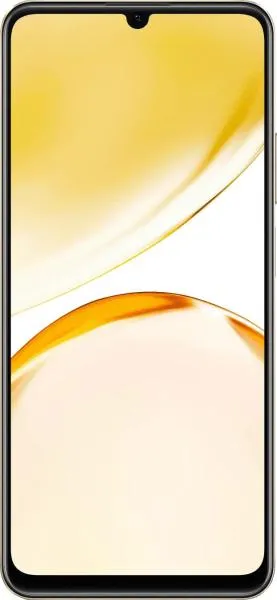
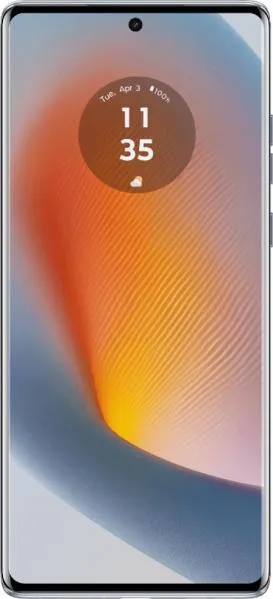
1. Specifications Comparison
| Feature | Realme C53 | Motorola Edge 50 Fusion | Practical Impact |
|---|---|---|---|
| Design | |||
| Dimensions (mm) | 167.3 x 76.7 x 7.5 | 161.9 x 73.1 x 7.9 | Edge 50 Fusion is slightly smaller and might feel more comfortable in hand. |
| Weight (g) | 182 | 174.9 | Edge 50 Fusion is noticeably lighter. |
| Build | Not specified | Not specified | Build quality comparison is impossible without further information. |
| Display | |||
| Display Type | IPS LCD | P-OLED | P-OLED offers deeper blacks, better contrast, and potentially higher power efficiency. |
| Display Size (inches) | 6.74 | 6.7 | Negligible size difference. |
| Resolution | 1080 x 2400 | 1080 x 2400 | Same resolution, sharpness will be similar. |
| Refresh Rate (Hz) | 90 | 120/144 (INT) | Edge 50 Fusion offers smoother scrolling and animations with its higher refresh rate. |
| Peak Brightness (nits) | 560 | 1600 | Edge 50 Fusion will be significantly more visible in direct sunlight. |
| Performance | |||
| Chipset | Unisoc Tiger T612 (12 nm) | Qualcomm Snapdragon 7s Gen 2 (4 nm) | Edge 50 Fusion's Snapdragon chip offers significantly better performance and efficiency due to its more advanced architecture and manufacturing process. |
| CPU | Octa-core (2x1.8 GHz Cortex-A75 & 6x1.8 GHz Cortex-A55) | Octa-core (4x2.4 GHz Cortex-A78 & 4x1.95 GHz Cortex-A55) | Edge 50 Fusion will handle demanding tasks and multitasking much better. |
| GPU | Mali-G57 | Adreno 710 | Edge 50 Fusion boasts superior graphics performance for gaming. |
| RAM | 6GB/8GB | 8GB/12GB | More RAM in some Edge 50 Fusion variants allows for smoother multitasking. |
| Camera | |||
| Main Camera (MP) | 50 | 50 | Megapixel count is similar, but sensor quality and image processing will likely differ. |
| Other Cameras | 2MP Depth, 8MP Selfie | 13MP Wide/Macro, 32MP Selfie | Edge 50 Fusion offers a more versatile camera setup with a wide/macro lens and a higher resolution selfie camera. |
| Video Recording | 1080p@30fps | Up to 4K@30fps | Edge 50 Fusion allows for higher resolution video recording. |
| Battery | |||
| Capacity (mAh) | 5000 | 5000 | Similar battery capacities, but real-world battery life will depend on software optimization and display efficiency. |
| Charging Speed | Not specified | Not specified | Charging speed comparison is impossible without further information. |
| Other | |||
| NFC | No | Yes | Edge 50 Fusion supports contactless payments and data transfer. |
| OS | Android 13 | Android 14 (upgradable to 17) | Edge 50 Fusion comes with a newer Android version and longer software support, ensuring security updates and new features for a longer period. |
2. Key Differences Analysis
Realme C53 Advantages:
- Potentially Lower Price: Based on the provided pricing data, the Realme C53 seems to be more affordable.
Motorola Edge 50 Fusion Advantages:
- Significantly Better Performance: The Snapdragon 7s Gen 2 offers a substantial performance advantage for demanding tasks and gaming.
- Superior Display: The P-OLED display with a higher refresh rate and peak brightness provides a more vibrant and responsive visual experience.
- More Versatile Camera System: The inclusion of a wide/macro lens and a higher resolution front-facing camera enhances photographic capabilities.
- Longer Software Support: Guaranteed updates to Android 17 ensure security and new features for an extended period.
- NFC for Contactless Payments: A crucial feature for many users.
Trade-offs:
- Price: The Motorola Edge 50 Fusion is expected to be more expensive.
3. User Profiles & Recommendations
Realme C53: Budget-conscious users who prioritize basic smartphone functionality for calling, texting, social media, and light web browsing.
Motorola Edge 50 Fusion: Users who value performance, a high-quality display, a versatile camera system, and longer software support. Suitable for gaming, media consumption, and more demanding tasks.
4. Decision Framework
Key Questions:
- What is your budget? The Realme C53 is a budget option, while the Edge 50 Fusion is a mid-range device.
- What are your primary smartphone uses? For basic tasks, the C53 might suffice. For demanding tasks and gaming, the Edge 50 Fusion is a better choice.
- How important are features like NFC, display quality, and camera versatility? If these are crucial, the Edge 50 Fusion is the clear winner.
My Choice: Motorola Edge 50 Fusion
While the Realme C53 offers a budget-friendly option, the Motorola Edge 50 Fusion provides significantly more value for the likely price difference. The superior processor, display, camera system, NFC functionality, and longer software support make it a much more compelling device for a broader range of users. The performance difference alone would significantly impact the daily user experience, making the Edge 50 Fusion a more future-proof investment. While I acknowledge that budget constraints might necessitate opting for the C53, if possible, the Edge 50 Fusion is the clear winner in terms of overall user experience and long-term value.
