1. Specifications Comparison
| Feature | Realme C53 | Huawei Pura 70 Ultra | Practical Impact |
|---|---|---|---|
| Design | |||
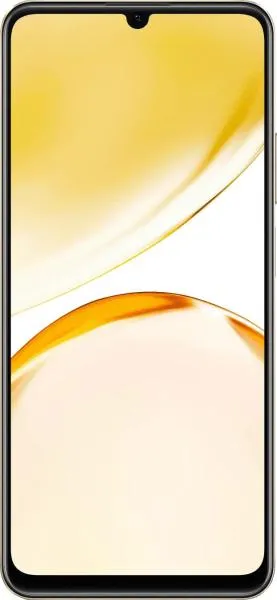
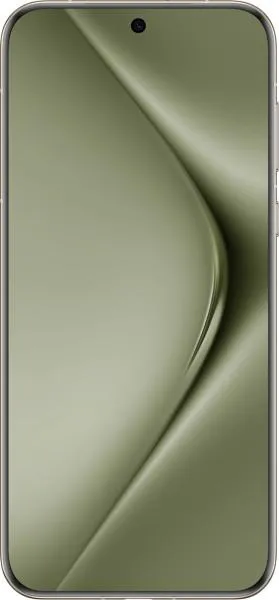
| Dimensions (mm) | 167.3 x 76.7 x 7.5 | 162.6 x 75.1 x 8.4 | The Realme C53 is slightly taller and wider but thinner than the Huawei. The Huawei is noticeably heavier. |
| Weight (g) | 182 | 226 | The Realme C53 is significantly lighter, making it more comfortable for extended use and one-handed operation. |
| Build Materials | Not specified | Not specified | Cannot compare build quality and durability without more information. |
| Display | |||
| Display Type | IPS LCD | LTPO OLED | The Huawei offers superior contrast, deeper blacks, and potentially better power efficiency with its OLED display. The Realme's IPS LCD is generally less vibrant. |
| Display Size (inches) | 6.74 | 6.8 | Negligible difference in screen real estate. |
| Resolution (pixels) | 1080 x 2400 | 1260 x 2844 | The Huawei has a sharper display with higher pixel density, resulting in clearer text and images. |
| Refresh Rate (Hz) | 90 | 120 | The Huawei's 120Hz refresh rate delivers smoother animations and scrolling compared to the Realme's 90Hz. |
| Peak Brightness (nits) | 560 | 2500 | The Huawei's significantly higher peak brightness ensures better visibility outdoors, especially in direct sunlight. |
| Performance | |||
| Chipset | Unisoc Tiger T612 (12 nm) | Kirin 9010 (7 nm) | The Kirin 9010 is a flagship-level processor, significantly more powerful than the mid-range Unisoc T612. Expect much faster performance and smoother multitasking on the Huawei. |
| CPU | Octa-core (2x1.8 GHz Cortex-A75 & 6x1.8 GHz Cortex-A55) | Octa-core (1x2.3 GHz Taishan Big & 3x2.18 GHz Taishan Mid & 4x1.55 GHz Cortex-A510) | The Huawei boasts a more powerful CPU architecture, resulting in significant performance advantages. |
| GPU | Mali-G57 | Maleoon 910 (assumed based on Kirin chipset) | The Huawei likely has a much more powerful GPU, enabling smoother gaming and graphics-intensive tasks. |
| RAM | 6GB/8GB | 16GB | The Huawei offers significantly more RAM, allowing for seamless multitasking and keeping more apps open in the background without performance slowdown. |
| Storage | 128GB/256GB | 512GB/1TB | The Huawei provides substantially more storage for apps, photos, videos, and other files. |
| Camera | |||
| Rear Camera | 50MP Main + 2MP Depth | 50MP Main (Sony IMX989) + 40MP Wide + 50MP Telephoto | The Huawei boasts a triple camera system with a superior main sensor, a wide-angle lens, and a telephoto lens for optical zoom, offering greater versatility and potentially better image quality. The Realme has a basic dual-camera setup. |
| Front Camera | 8MP | 13MP | The Huawei's front-facing camera has a higher resolution, potentially capturing more detailed selfies. |
| Video Recording | 1080p@30fps | Not specified, but likely higher resolution based on other specs | The Huawei likely offers higher resolution video recording capabilities based on its superior processor and camera system. |
| Battery | |||
| Capacity (mAh) | 5000 | 5200 | The Huawei has a slightly larger battery capacity, but real-world battery life depends on numerous factors including software optimization and display technology. |
2. Key Differences Analysis
Realme C53 Advantages:
- Price: Significantly more affordable.
- Lighter Weight: More comfortable for one-handed use.
Huawei Pura 70 Ultra Advantages:
- Performance: Significantly faster and more powerful processor, GPU, and more RAM.
- Display: Superior OLED display with higher resolution, refresh rate, and brightness.
- Camera: More versatile triple camera system with advanced features and potentially better image quality.
- Storage: More internal storage options.
- Connectivity: NFC enabled, newer Bluetooth version, and potentially Wi-Fi 6 support (802.11ax listed).
Trade-offs:
- The Huawei's superior performance, display, and camera come at a significantly higher price.
- The Realme's lower price means compromising on performance, display quality, and camera features.
3. User Profiles & Recommendations
Realme C53: Ideal for budget-conscious users who prioritize basic smartphone functionality - calling, texting, social media, and light web browsing. Not suitable for demanding tasks like gaming or professional photography/videography.
Huawei Pura 70 Ultra: Ideal for users who demand top-tier performance, a premium display, and advanced camera capabilities. Suitable for power users, mobile gamers, content creators, and those who value a flagship smartphone experience.
4. Decision Framework
Key Questions for Buyers:
- What is your budget? The price difference is significant.
- What are your primary smartphone usage patterns? (e.g., basic communication, social media, gaming, photography)
- How important are factors like display quality, performance, and camera capabilities?
My Choice:
I would choose the Huawei Pura 70 Ultra. While significantly more expensive, the performance, display, and camera advancements are substantial. The Kirin 9010, coupled with 16GB RAM and a high-refresh LTPO OLED display, promises a fluid and responsive user experience. The advanced camera system offers greater versatility and potentially superior image quality. As someone who values a smooth, powerful, and feature-rich smartphone experience, the Huawei is the clear winner despite the price premium. The Realme C53, while budget-friendly, compromises too much on key aspects for my personal preferences.
