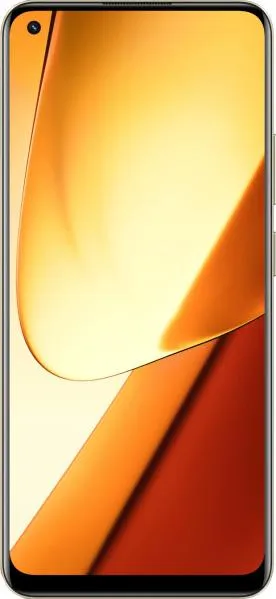
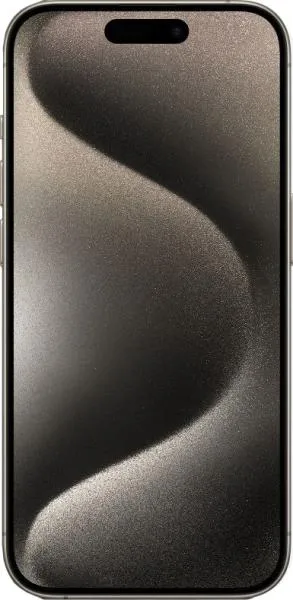
Let's dive into a user-centered comparison of the Realme 11 and the iPhone 15 Pro. We'll go beyond the raw specs and explore how these devices translate into real-world experiences for different users.
1. Design and Usability Assessment:
| Feature | Realme 11 | iPhone 15 Pro | User Experience Impact |
|---|---|---|---|
| Interface Design | Android 13 - Customizable | iOS 17 - Consistent, curated | Android offers flexibility; iOS prioritizes ease of use. Choice depends on user preference for control vs. simplicity. |
| Interaction Flow | Smooth with 120Hz refresh rate | Highly responsive, smooth animations | Both offer fluid experiences. iPhone's tight hardware-software integration may result in subtly smoother animations. |
| Accessibility Features | Standard Android accessibility options | Comprehensive suite of iOS accessibility features | iPhone generally leads in assistive technologies, offering more built-in options for users with diverse needs. |
| Design Ergonomics | Larger display (6.72"), lightweight (190g) | Smaller display (6.1"), slightly heavier (187g) | Realme offers a more expansive viewing experience, while the iPhone might feel more premium due to its materials and compact form factor. |
2. Narrative-Driven Feature Exploration:
Scenario: A Day in the Life
Imagine a freelance photographer using each phone. The Realme 11's larger display provides ample space for photo editing on the go. Its long-lasting 5000mAh battery ensures they can shoot all day without worrying about power. However, the iPhone 15 Pro's superior camera capabilities, including ProRAW and advanced video recording features, allow for capturing higher-quality images and more creative control. The faster A17 Pro chip provides a noticeable performance boost when editing large files.
3. Inclusive Technology Evaluation:
User 1: Tech-Savvy Student: The Realme 11's customizable Android OS and expansive storage offer flexibility for personalization and downloading large files.
User 2: Senior Citizen: The iPhone 15 Pro's intuitive interface, consistent design, and robust accessibility features might be more appealing for users seeking simplicity and ease of use.
4. Design-Centric Decision Framework:
Beyond the Specs: Choosing between these phones isn't just about numbers. It's about understanding your individual needs and priorities. Do you value customization and a larger screen, or do you prefer a seamless user experience and top-tier camera performance?
Design Philosophy: Realme focuses on providing value-packed features at a competitive price point. Apple prioritizes a tightly integrated ecosystem with a focus on performance and premium design.
My Choice: As Sophia Rodriguez, I would choose the iPhone 15 Pro. While the Realme 11 offers excellent value, the iPhone 15 Pro's superior camera capabilities, refined design, and the seamless integration of hardware and software resonate more with my emphasis on user experience and design excellence. The robust accessibility features also align with my commitment to inclusive technology. While I appreciate the customization options Android offers, the polished and predictable nature of iOS, combined with its long-term software support, ultimately provides a more satisfying and reliable user experience for my needs. The investment in the iPhone 15 Pro translates to a long-term commitment to quality, performance, and a user experience that prioritizes efficiency and creative exploration.
