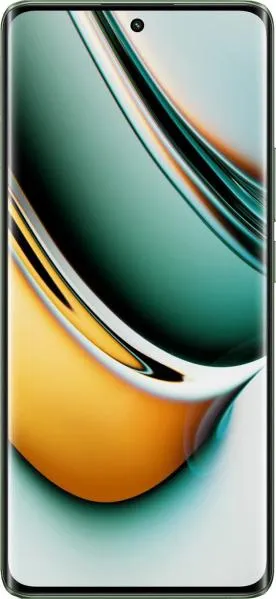
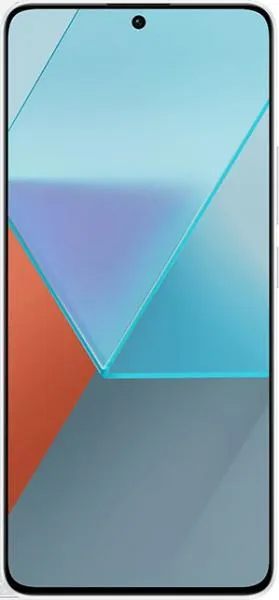
1. Specifications Comparison
| Feature | Realme 11 Pro+ | Xiaomi Redmi Note 13 Pro | Practical Impact |
|---|---|---|---|
| Design | |||
| Dimensions (mm) | 161.6 x 73.9 x 8.2 | 161.2 x 74.2 x 8 | Negligible size difference; both are large phones. |
| Weight (g) | 183 | 187 | Negligible weight difference. |
| Display | |||
| Size (inches) | 6.7 | 6.67 | Negligible size difference. |
| Resolution (px) | 1080 x 2412 | 1220 x 2712 | Redmi Note 13 Pro has a sharper display due to higher resolution, resulting in clearer text and images. |
| Type | AMOLED | AMOLED | Both offer vibrant colors and deep blacks. |
| Refresh Rate (Hz) | 120 | 120 | Both offer smooth scrolling and animations. |
| Peak Brightness (nits) | 950 | 1800 | Redmi Note 13 Pro's significantly higher peak brightness ensures better visibility outdoors and in bright conditions. |
| Color Depth | 1B | 68B | Redmi Note 13 Pro supports more colors, leading to smoother color gradients and a more natural look, though discernible only to trained eyes in specific content. |
| HDR | HDR10+ | Dolby Vision | Both support HDR standards, but Dolby Vision on Redmi Note 13 Pro generally offers better dynamic range and color accuracy in supported content. |
| Performance | |||
| Chipset | Dimensity 7050 (6 nm) | Snapdragon 7s Gen 2 (4 nm) | Snapdragon 7s Gen 2 is generally considered more powerful and efficient due to its newer architecture and smaller manufacturing process. Expect better performance and battery life on the Redmi. |
| CPU | Octa-core (2x2.6 GHz A78 & 6x2.0 GHz A55) | Octa-core (4x2.4 GHz A78 & 4x1.95 GHz A55) | While both use Cortex-A78 and A55 cores, the configuration and clock speeds suggest the Snapdragon chip might offer a slight performance edge in demanding tasks. |
| GPU | Mali-G68 MC4 | Adreno 710 | Adreno 710 generally provides better gaming performance compared to Mali-G68 MC4. |
| RAM (GB) | 8 (specified version) | 8/12 (specified versions) | Redmi Note 13 Pro offers configurations with more RAM, enabling better multitasking and smoother performance with multiple apps. |
| Camera | |||
| Main | 200MP (Samsung HP3) | 200MP (Samsung HP3) | Both use the same sensor, but image processing will play a crucial role in determining final image quality. Redmi Note 13 Pro has a slightly wider aperture (f/1.65 vs f/1.69). |
| Video | Up to 4K@30fps | Up to 4K@30fps | Both offer similar video recording capabilities on paper. Real-world video quality will depend on factors like stabilization and software processing. |
| Battery | |||
| Capacity (mAh) | 5000 | 5100 | Redmi Note 13 Pro has a slightly larger battery, potentially offering slightly longer battery life. |
2. Key Differences Analysis
Realme 11 Pro+ Advantages:
- Faster Charging (Potentially): Although not specified, Realme phones often feature faster charging than their competitors. This could be a significant advantage for users who prioritize quick top-ups.
Xiaomi Redmi Note 13 Pro Advantages:
- Superior Performance: The Snapdragon 7s Gen 2 chip, coupled with more RAM options, offers a noticeable performance advantage for demanding tasks and gaming.
- Sharper and Brighter Display: Higher resolution and significantly higher peak brightness result in a more enjoyable viewing experience, especially outdoors.
- Dolby Vision: Offers better HDR performance in supported content compared to HDR10+.
- Lower Price (Potentially): Based on the provided pricing data, the Redmi Note 13 Pro seems to offer more competitive pricing for similar storage configurations.
3. User Profiles & Recommendations
Realme 11 Pro+: Users prioritizing style and potentially faster charging, less demanding tasks.
Xiaomi Redmi Note 13 Pro: Users prioritizing performance, display quality, and value for money; suitable for gaming, media consumption, and multitasking.
4. Decision Framework
Key Questions for Buyers:
- What is your budget? The Redmi Note 13 Pro offers better value based on current pricing.
- What are your primary use cases? For gaming and media consumption, the Redmi's superior performance and display are crucial.
- How important is display quality? The Redmi Note 13 Pro's sharper and brighter display is a significant advantage.
My Choice: Xiaomi Redmi Note 13 Pro
While the Realme 11 Pro+ might offer faster charging, the Redmi Note 13 Pro provides a more well-rounded package. The superior performance, sharper and brighter display, Dolby Vision support, and potentially lower price make it a compelling choice for most users. The difference in battery capacity is negligible. The Redmi Note 13 Pro offers a significantly better user experience for demanding tasks, gaming, and media consumption. Its more efficient chip also promises better battery life despite a marginally larger battery. The sharper display makes a noticeable difference in daily use.
