1. Specifications Comparison
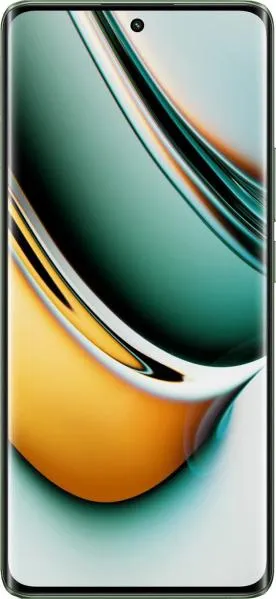
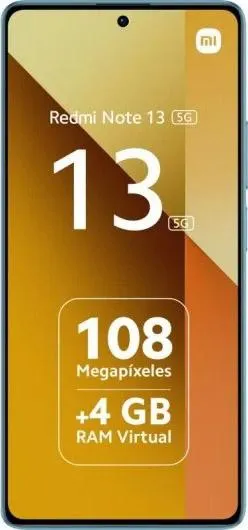
| Feature | Realme 11 Pro+ | Xiaomi Redmi Note 13 | Practical Impact |
|---|---|---|---|
| Design | |||
| Dimensions (mm) | 161.6 x 73.9 x 8.2 | 161.1 x 75.0 x 7.6 | Redmi Note 13 is slightly shorter, wider, and thinner. Negligible difference in everyday use. |
| Weight (g) | 183 | 174.5 | Redmi Note 13 is slightly lighter, potentially more comfortable for extended use. |
| Fingerprint Sensor | Under display | Side-mounted | Personal preference; under-display often perceived as more premium, side-mounted can be faster. |
| Display | |||
| Display Size (inches) | 6.7 | 6.67 | Virtually identical screen sizes. |
| Resolution (pixels) | 1080 x 2412 | 1080 x 2400 | Negligible difference in sharpness. Both offer crisp visuals. |
| Display Type | AMOLED, 1B colors, 120Hz | AMOLED, 1B colors, 120Hz | Both offer vibrant colors and smooth scrolling thanks to AMOLED technology and 120Hz refresh rate. |
| Peak Brightness (nits) | 950 | 1000 (stated, but could be typical brightness) | Redmi Note 13 might be slightly brighter outdoors, but needs verification as the provided spec might not be peak brightness. |
| Performance | |||
| Chipset | Mediatek Dimensity 7050 (6 nm) | Mediatek Dimensity 6080 (6 nm) | Dimensity 7050 on the Realme offers better CPU performance, resulting in smoother multitasking and faster app loading. |
| CPU | Octa-core (2x2.6 GHz Cortex-A78 & 6x2.0 GHz Cortex-A55) | Octa-core (2x2.4 GHz Cortex-A76 & 6x2.0 GHz Cortex-A55) | Realme 11 Pro+ has faster and more efficient performance cores (Cortex-A78 vs A76). |
| GPU | Mali-G68 MC4 | Mali-G57 MC2 | Realme 11 Pro+'s GPU is significantly more powerful, leading to better gaming performance and smoother graphics rendering. |
| RAM (GB) | 8/12 | 6/8/12 | Both offer ample RAM options; more RAM enables better multitasking. |
| Camera | |||
| Main Camera (MP) | 200 | 108 | Realme 11 Pro+ boasts a much higher resolution main sensor, potentially capturing more detail. However, real-world image quality depends on processing and other factors. |
| Video Recording | Up to 4K@30fps with EIS | 1080p@30fps | Realme offers superior video recording capabilities with higher resolution and frame rates. |
| Battery | |||
| Capacity (mAh) | 5000 | 5000 | Identical battery capacities; real-world battery life depends on usage and optimization. |
2. Key Differences Analysis
Realme 11 Pro+ Advantages:
- Superior Performance: The Dimensity 7050 and Mali-G68 MC4 offer noticeably better performance for demanding tasks and gaming.
- Better Camera System: The 200MP main sensor and superior video recording capabilities provide a potential edge in photography and videography.
- Faster Charging: While not explicitly stated, the Realme 11 Pro+ is known to have faster charging than the Redmi Note 13.
Xiaomi Redmi Note 13 Advantages:
- Lower Price: The Redmi Note 13 is positioned in a lower price bracket.
- Potentially Brighter Display: Though needs confirmation, the listed peak brightness suggests better outdoor visibility.
3. User Profiles & Recommendations
Realme 11 Pro+: Users who prioritize performance, gaming, camera quality, and a premium feel. Suitable for:
- Mobile gamers
- Photography enthusiasts
- Power users
Xiaomi Redmi Note 13: Budget-conscious users who need a reliable smartphone with a good display. Suitable for:
- Casual users
- Students
- Users prioritizing value for money
4. Decision Framework
Key Questions for Buyers:
- What is your budget? The Redmi Note 13 is significantly cheaper.
- What are your primary use cases? Gaming and demanding tasks favor the Realme 11 Pro+.
- How important is camera quality? Realme offers a higher resolution sensor and more versatile video recording.
Scenario-Based Recommendations:
- Tight Budget: Redmi Note 13.
- Focus on Performance: Realme 11 Pro+.
- Balanced Needs and Value: Consider the Redmi Note 13 if budget is a major constraint, otherwise, the Realme 11 Pro+ offers a significant performance and camera upgrade for a reasonable price increase.
My Choice: Realme 11 Pro+
While the Redmi Note 13 offers excellent value, the Realme 11 Pro+'s superior performance, significantly better camera system, and likely faster charging make it the more compelling device for me. The price difference is justifiable considering the noticeable improvements in key areas. I prioritize a smooth user experience, and the Dimensity 7050 ensures that. The improved camera capabilities are also attractive for capturing high-quality photos and videos. The Redmi Note 13 is a solid budget option, but the Realme 11 Pro+ offers a more well-rounded and future-proof package.
