
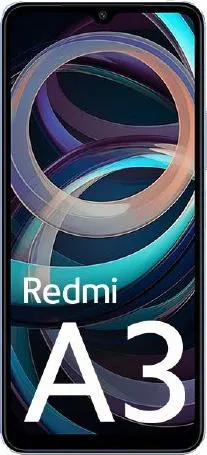
1. Specifications Comparison
| Feature | Realme 11 Pro+ | Xiaomi Redmi A3 | Practical Impact |
|---|---|---|---|
| Design | |||
| Dimensions (mm) | 161.6 x 73.9 x 8.2 | 168.3 x 76.3 x 8.3 | Redmi A3 is slightly larger and heavier. |
| Weight (g) | 183 | 193 | Realme 11 Pro+ feels lighter in hand. |
| Build | Missing | Missing | Build quality and materials cannot be compared. |
| Display | |||
| Display Type | AMOLED | IPS LCD | Realme offers vibrant colors and deeper blacks, better outdoor visibility. Redmi offers wider viewing angles potentially. |
| Size (inches) | 6.7 | 6.71 | Negligible size difference. |
| Resolution | 1080 x 2412 | 720 x 1650 | Realme offers significantly sharper visuals. |
| Refresh Rate (Hz) | 120 | 90 | Realme provides smoother scrolling and animations. |
| Peak Brightness (nits) | 950 | 500 | Realme will be much more visible in direct sunlight. |
| Performance | |||
| Chipset | Mediatek Dimensity 7050 (6nm) | Mediatek Helio G36 (12nm) | Realme offers significantly better performance and efficiency. |
| CPU | Octa-core (2x2.6 GHz Cortex-A78 & 6x2.0 GHz Cortex-A55) | Octa-core (4x2.2 GHz Cortex-A53 & 4x1.6 GHz Cortex-A53) | Realme has more powerful cores for demanding tasks. |
| GPU | Mali-G68 MC4 | PowerVR GE8320 | Realme offers much better gaming and graphics performance. |
| RAM | 8GB (reviewed model) | 3/4/6GB | More RAM in Realme enables better multitasking. |
| Camera | |||
| Main Camera (MP) | 200 | 8 | Realme offers significantly higher resolution and potentially better image quality. |
| Other Cameras | Wide, Macro | 0.3MP depth sensor (usage unclear) | Realme offers more versatile camera options. |
| Video Recording | Up to 4K@30fps | Up to 1080p@30fps | Realme supports higher resolution video recording. |
| Battery | |||
| Capacity (mAh) | 5000 | 5000 | Similar battery capacity. Real-world battery life depends on usage and efficiency. |
| Charging | Missing specific details for both | Missing specific details for both | Charging speeds cannot be compared accurately. |
2. Key Differences Analysis
Realme 11 Pro+ Advantages:
- Superior Display: AMOLED with higher resolution, refresh rate, and peak brightness.
- Significantly Better Performance: More powerful chipset, CPU, and GPU for smoother multitasking and gaming.
- More Versatile Camera: Higher resolution main camera and additional lenses for various shooting scenarios.
- Faster and Smoother Experience: Higher refresh rate display and powerful processor contribute to an overall smoother user experience.
Xiaomi Redmi A3 Advantages:
- Lower Price: Significantly more affordable.
- Potentially Longer Battery Life: Less demanding hardware may lead to longer battery life with similar battery capacity; however, this needs real-world testing to confirm.
Trade-offs:
- Realme 11 Pro+: Higher price for significantly better features.
- Xiaomi Redmi A3: Compromises on performance, display, and camera for affordability.
3. User Profiles & Recommendations
Realme 11 Pro+: Users who prioritize performance, display quality, camera capabilities, and a smooth user experience. Ideal for gaming, media consumption, and photography enthusiasts.
Xiaomi Redmi A3: Budget-conscious users who primarily need a phone for basic communication, web browsing, and light tasks. Not recommended for demanding applications or heavy media consumption.
4. Decision Framework
Key Questions:
- What is your budget? The Redmi A3 is significantly cheaper.
- What are your primary phone usage patterns? For demanding tasks, the Realme is far superior. For simple communication, the Redmi might suffice.
- Which features are most important to you? Prioritize performance, display, and camera? Choose Realme. Prioritize affordability above all else? Choose Redmi.
Scenario-Based Recommendations:
- Student on a tight budget: Redmi A3.
- Mobile gamer: Realme 11 Pro+.
- Photography enthusiast: Realme 11 Pro+.
- Casual user primarily using social media and messaging: Redmi A3 might be sufficient but Realme offers a far superior experience.
My Choice: Realme 11 Pro+
While the Redmi A3 offers an enticing price point, the Realme 11 Pro+ presents a significantly better overall package. The superior display, performance, and camera capabilities are crucial for a satisfying smartphone experience in today's demanding environment. The price difference is justified by the substantial leap in quality and features. While budget is a major factor, the compromises required for the Redmi A3 would likely lead to a frustrating user experience in the long run. The Realme 11 Pro+ offers a much better long-term investment in terms of usability and enjoyment.
