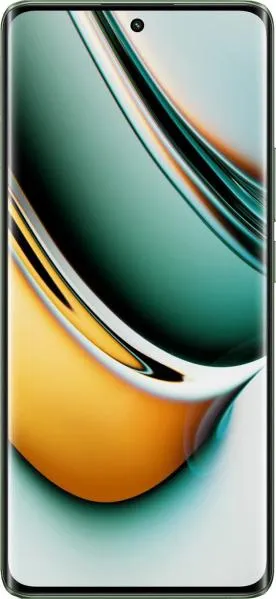
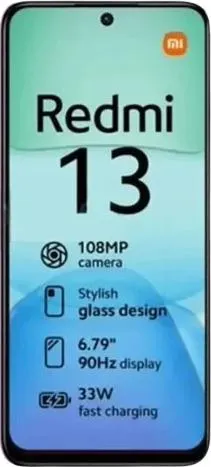
1. Specifications Comparison
| Feature | Realme 11 Pro+ | Xiaomi Redmi 13 | Practical Impact |
|---|---|---|---|
| Design | |||
| Dimensions (mm) | 161.6 x 73.9 x 8.2 | 168.6 x 76.3 x 8.3 | Redmi 13 is noticeably larger and might be less comfortable for one-handed use. |
| Weight (g) | 183 | 205 | Realme 11 Pro+ is lighter, contributing to better handling. |
| Build | Not specified | Not specified | Build quality impact cannot be assessed without material information. |
| Display | |||
| Display Type | AMOLED | IPS LCD | Realme's AMOLED offers deeper blacks, more vibrant colors, and potentially better power efficiency. |
| Display Size (inches) | 6.7 | 6.79 | Negligible size difference. |
| Resolution (px) | 1080 x 2412 | 1080 x 2460 | Virtually identical resolution; sharpness will be similar. |
| Refresh Rate (Hz) | 120 | 90 | Realme's 120Hz display will provide smoother scrolling and animations. |
| Peak Brightness (nits) | 950 | 550 | Realme's significantly higher peak brightness ensures better visibility in sunlight. |
| Performance | |||
| Chipset | Mediatek Dimensity 7050 (6 nm) | Mediatek Helio G91 Ultra (12 nm) | Dimensity 7050 is built on a smaller process node, suggesting better power efficiency and potentially better performance. |
| CPU | Octa-core (2x2.6 GHz Cortex-A78 & 6x2.0 GHz Cortex-A55) | Octa-core (2x2.0 GHz Cortex-A75 & 6x1.8 GHz Cortex-A55) | Realme likely has a performance advantage due to faster core speeds and more powerful Cortex-A78 cores. |
| GPU | Mali-G68 MC4 | Mali-G52 MC2 | Realme's GPU is more modern and powerful, leading to better gaming performance. |
| RAM (GB) | 8/12 | 6/8 | More RAM in some Realme versions allows for better multitasking. |
| Camera | |||
| Main Camera (MP) | 200 | 108 | Higher resolution on the Realme suggests potentially more detailed photos. |
| Other Cameras | Wide, Macro | Portrait, Selfie | Realme offers a wider range of lenses for versatile photography. More details on sensor quality are needed for a thorough comparison. |
| Video Recording | Up to 4K@30fps with EIS | Up to 1080p@30fps | Realme offers higher resolution video recording and potentially better stabilization. |
| Battery | |||
| Capacity (mAh) | 5000 | 5030 | Negligible difference in battery capacity. Real-world battery life depends on optimization and usage. |
2. Key Differences Analysis
Realme 11 Pro+ Advantages:
- Superior Display: AMOLED with 120Hz refresh rate and higher brightness provides a significantly better visual experience.
- Better Performance: More powerful chipset and GPU translate to smoother gaming and multitasking.
- More Versatile Camera System: Offers a higher resolution main sensor and a wider range of lenses.
- Lighter and More Compact: Easier to handle and carry.
Xiaomi Redmi 13 Advantages:
- Lower Price: Significantly more affordable.
- Slightly Larger Battery: Marginally larger battery, but real-world difference might be insignificant.
Trade-offs:
- Redmi 13: Sacrifices display quality, performance, and camera versatility for affordability.
- Realme 11 Pro+: Higher price for premium features.
3. User Profiles & Recommendations
Realme 11 Pro+: Users who prioritize display quality, performance, camera features, and a premium feel. Suitable for gaming, content consumption, and mobile photography enthusiasts.
Xiaomi Redmi 13: Budget-conscious users who prioritize basic functionality and affordability over premium features. Suitable for everyday tasks like calling, texting, browsing, and social media.
4. Decision Framework
Key Questions for Buyers:
- What is your budget? Redmi 13 offers excellent value for its price, while Realme 11 Pro+ commands a premium.
- What are your priorities? Consider whether display quality, performance, and camera are crucial or if basic functionality suffices.
- What is your typical usage? Heavy gamers and multimedia consumers will benefit from the Realme's superior hardware.
Scenario-Based Recommendations:
- Limited Budget: Redmi 13 is a solid choice.
- Balanced Needs: Realme 11 Pro+ offers a well-rounded package with premium features.
- Power User: Realme 11 Pro+ is the clear winner for demanding tasks.
My Choice: Realme 11 Pro+
While the Redmi 13 offers excellent value, the Realme 11 Pro+ is the superior device overall. The significantly better display, more powerful performance, and versatile camera system outweigh the price difference for me. The smoother 120Hz AMOLED display alone drastically improves the user experience. As someone who values performance and enjoys mobile photography, I'd gladly pay the premium for the Realme 11 Pro+. The lighter and more compact design is also a plus. The Redmi 13 is a good budget option, but the compromises in key areas are too significant for my personal preferences.
