
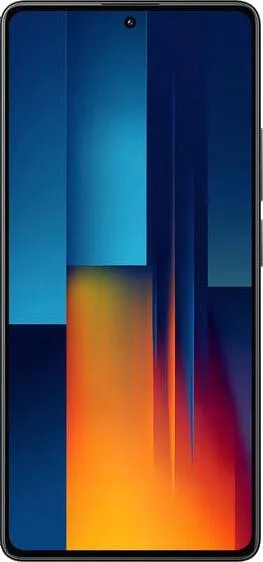
1. Specifications Comparison
| Feature | Realme 11 Pro+ | Xiaomi Poco M6 Pro | Practical Impact |
|---|---|---|---|
| Design | |||
| Dimensions (mm) | 161.6 x 73.9 x 8.2 | 161.1 x 75 x 8 | Realme is slightly taller and thinner. Negligible difference in daily use. |
| Weight (g) | 183 | 179 | Poco M6 Pro is slightly lighter, but the difference is minimal. |
| Display | |||
| Size (inches) | 6.7 | 6.67 | Virtually identical screen sizes. |
| Resolution (px) | 1080 x 2412 | 1080 x 2400 | Nearly identical resolutions, resulting in similar sharpness. |
| Type | AMOLED, 1B colors, 120Hz | AMOLED, 120Hz | Both offer smooth scrolling and vivid colors thanks to AMOLED and 120Hz. Realme's 1B color depth potentially offers smoother color gradients. |
| Peak Brightness (nits) | 950 | 1300 (typical), 1800 (peak) | Poco M6 Pro significantly brighter, improving outdoor visibility. |
| Performance | |||
| Chipset | Mediatek Dimensity 7050 (6 nm) | Mediatek Helio G99 Ultra | Dimensity 7050 generally offers better performance in benchmarks, translating to smoother multitasking and potentially better gaming. |
| CPU | Octa-core (2x2.6 GHz Cortex-A78 & 6x2.0 GHz Cortex-A55) | Octa-core (2x2.2 GHz Cortex-A76 & 6x2.0 GHz Cortex-A55) | Realme's CPU has faster performance cores, leading to quicker app launches and responsiveness. |
| GPU | Mali-G68 MC4 | Mali-G57 MC2 | Realme's GPU is significantly more powerful, offering a better gaming experience and smoother graphics rendering. |
| RAM (GB) | 8/12 | 6/8/12 | Both offer configurations with ample RAM for smooth multitasking, though Realme's 12GB option provides more headroom for demanding tasks. |
| Camera | |||
| Main Camera (MP) | 200 | 64 | Realme boasts a much higher resolution main sensor, potentially capturing more detail. Image quality depends on processing, not just resolution. |
| Ultrawide (MP) | 8 | 8 | Identical ultrawide resolution. |
| Selfie (MP) | 32 | 16 | Realme offers a higher resolution selfie camera. |
| Video Recording | 4K@30fps, 1080p@120fps | 1080p@60fps | Realme offers superior video recording capabilities with 4K resolution and higher frame rates for smoother slow-motion. |
| Battery | |||
| Capacity (mAh) | 5000 | 5000 | Identical battery capacities. Real-world battery life depends on optimization and usage. |
2. Key Differences Analysis
Realme 11 Pro+ Advantages:
- Superior Performance: The Dimensity 7050 and Mali-G68 MC4 offer a noticeable performance advantage for demanding tasks and gaming.
- Better Display Color: 1B colors offer smoother color gradients compared to standard AMOLED.
- Higher Resolution Main Camera: The 200MP sensor potentially captures more detail.
- Superior Video Recording: 4K recording and 120fps slow motion provide more versatile video options.
Xiaomi Poco M6 Pro Advantages:
- Brighter Display: Significantly brighter display for better outdoor visibility.
- Lower Price: Generally more affordable, offering good value for the price.
- Lighter Weight: Slightly lighter, potentially more comfortable for extended use. (Minimal difference)
3. User Profiles & Recommendations
Realme 11 Pro+: Ideal for users who prioritize performance, gaming, high-quality photography and videography, and a smooth user experience. The vibrant display with a billion colors is a bonus for media consumption.
Xiaomi Poco M6 Pro: Suitable for budget-conscious users who prioritize a bright display for outdoor use and reliable everyday performance. It's a good option for general use, social media, and light gaming.
4. Decision Framework
Key Questions for Buyers:
- What is your budget? The Poco M6 Pro offers significantly better value if price is a primary concern.
- What are your primary use cases? Gaming and demanding tasks favor the Realme, while general use and outdoor visibility favor the Poco.
- How important is camera quality? Realme offers a potentially superior camera experience, especially for video recording.
My Choice: Realme 11 Pro+
While the Poco M6 Pro offers excellent value, the Realme 11 Pro+ is the better overall phone for my needs. The superior performance, better GPU, higher resolution main camera, and enhanced video recording capabilities are significant advantages. The brighter screen of the Poco M6 Pro is tempting, but the performance difference and camera quality of the Realme are more important to me in the long run. I'm willing to pay the price premium for a smoother, more capable device that will likely age better. The 1 billion colors of the Realme's display, while perhaps not noticeable to all, is a feature that I value for media consumption.
