
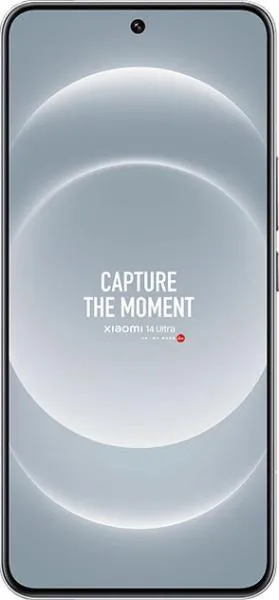
1. Specifications Comparison
| Feature | Realme 11 Pro+ | Xiaomi 14 Ultra | Practical Impact |
|---|---|---|---|
| Design | |||
| Dimensions (mm) | 161.6 x 73.9 x 8.2 | 161.4 x 75.3 x 9.2 | Xiaomi 14 Ultra is slightly wider and thicker, noticeably heavier. |
| Weight (g) | 183 | 229.5 | Realme is significantly lighter, more comfortable for extended use. Xiaomi's weight suggests a more premium build with potentially better durability. |
| Display | |||
| Display Type | AMOLED, 1B colors | LTPO AMOLED, 68B colors | Xiaomi offers superior color accuracy and smoother variable refresh rate due to LTPO technology, resulting in better power efficiency. |
| Display Size (inches) | 6.7 | 6.73 | Negligible size difference. |
| Resolution | 1080 x 2412 | 1440 x 3200 | Xiaomi boasts a much sharper display with higher pixel density (522 vs 394 ppi), resulting in crisper text and images. |
| Peak Brightness (nits) | 950 | 3000 | Xiaomi's significantly higher peak brightness ensures excellent outdoor visibility. |
| Refresh Rate (Hz) | 120 | 120 | Both offer smooth scrolling and animations. Xiaomi's LTPO allows for dynamic adjustment, saving battery. |
| Performance | |||
| Chipset | Mediatek Dimensity 7050 (6 nm) | Qualcomm Snapdragon 8 Gen 3 (4 nm) | Xiaomi's Snapdragon 8 Gen 3 offers significantly faster processing, smoother multitasking, and better gaming performance due to its more advanced architecture and smaller manufacturing process. |
| CPU | Octa-core (2x2.6 GHz A78 & 6x2.0 GHz A55) | Octa-core (1x3.3 GHz X4 & 3x3.2 GHz A720 & 2x3.0 GHz A720 & 2x2.3 GHz A520) | Xiaomi's CPU features a more powerful core configuration, leading to a substantial performance advantage. |
| GPU | Mali-G68 MC4 | Adreno 750 | Xiaomi has a more powerful GPU, resulting in significantly improved gaming and graphics performance. |
| RAM | 8GB (in this configuration) | 16GB (in this configuration) | Xiaomi offers double the RAM, enabling superior multitasking and preventing app closures in the background. |
| Camera | |||
| Main Camera (MP) | 200 | 50 | While Realme boasts higher megapixels, Xiaomi utilizes a larger sensor (1-inch) and variable aperture (f/1.9 - f/4.0) for potentially better low-light performance and depth of field control. |
| Camera Features | Triple Camera, OIS | Quadruple Camera, Leica Optics, OIS, variable aperture | Xiaomi offers a more versatile camera system with advanced features like Leica lens tuning and a periscope telephoto lens. |
| Video Recording | 4K@30fps | 8K@30fps | Xiaomi supports higher resolution video recording. |
| Battery | |||
| Capacity (mAh) | 5000 | 5000 | Similar battery capacity. Real-world battery life will depend on software optimization and usage patterns. |
| Charging Speed | Not specified | Not specified | Cannot compare charging speeds without specific data. |
2. Key Differences Analysis
Xiaomi 14 Ultra Advantages:
- Significantly superior performance: The Snapdragon 8 Gen 3 and higher RAM offer a substantial advantage in speed, multitasking, and gaming.
- Higher quality display: Sharper, brighter, and more color-accurate due to higher resolution, peak brightness, and LTPO technology.
- More versatile camera system: Leica-tuned lenses, larger sensor size, and variable aperture offer greater creative control and potentially better image quality, especially in low light.
- Faster USB Data Transfer: USB 3.2 Gen 2 offers significantly faster data transfer speeds compared to USB 2.0.
Realme 11 Pro+ Advantages:
- Lighter and more compact: Noticeably more comfortable for one-handed use and extended holding.
- Lower Price: Offers a more budget-friendly option.
3. User Profiles & Recommendations
Realme 11 Pro+: Budget-conscious users who prioritize a lightweight and comfortable phone for everyday tasks like social media, browsing, and casual photography.
Xiaomi 14 Ultra: Power users, mobile photographers, and videographers who demand top-tier performance, the best display, and a cutting-edge camera system.
4. Decision Framework
Key Questions for Buyers:
- What is your budget? The Xiaomi 14 Ultra is significantly more expensive.
- What are your primary use cases? Gaming, photography/videography, or everyday tasks?
- Do you prioritize portability and comfort? The Realme 11 Pro+ is much lighter.
My Choice: Xiaomi 14 Ultra
While the Realme 11 Pro+ offers a compelling value proposition for its price, the Xiaomi 14 Ultra is the clear winner for me. Its superior performance, stunning display, and advanced camera system outweigh the higher price and added weight. The Snapdragon 8 Gen 3, coupled with 16GB of RAM, ensures a future-proof device capable of handling demanding tasks and games for years to come. The brighter, sharper display with LTPO provides a more enjoyable viewing experience. As a user who values performance and a premium multimedia experience, the Xiaomi 14 Ultra aligns better with my needs. The substantial upgrade in camera technology, including the Leica partnership and larger sensor, is highly appealing. While the weight is a consideration, the overall benefits of the Xiaomi 14 Ultra justify the trade-off.
