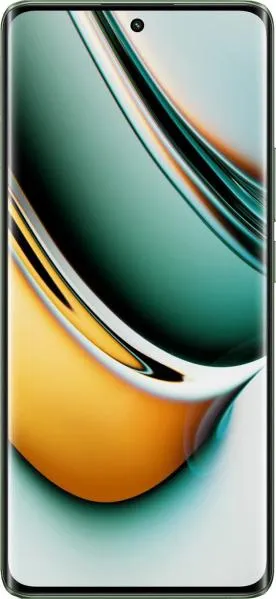
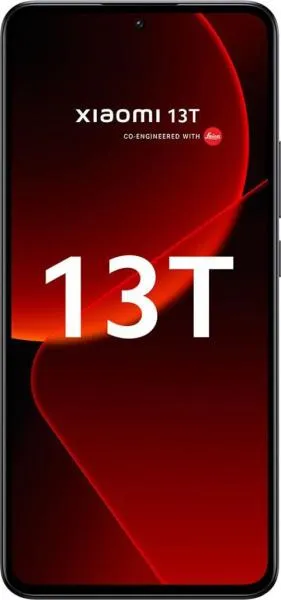
1. Specifications Comparison
| Feature | Realme 11 Pro+ | Xiaomi 13T | Practical Impact |
|---|---|---|---|
| Design | |||
| Dimensions (mm) | 161.6 x 73.9 x 8.2 | 162.2 x 75.7 x 8.5 | Xiaomi 13T is slightly larger and thicker. |
| Weight (g) | 183 | 193 | Realme 11 Pro+ is noticeably lighter, enhancing one-handed use. |
| Display | |||
| Size (inches) | 6.7 | 6.67 | Negligible size difference. |
| Resolution (px) | 1080 x 2412 | 1220 x 2712 | Xiaomi 13T has a sharper display with higher pixel density, resulting in clearer text and images. |
| Refresh Rate (Hz) | 120 | 144 | Xiaomi 13T offers a smoother scrolling and gaming experience due to the higher refresh rate. |
| Peak Brightness (nits) | 950 | 2600 | Xiaomi 13T is significantly brighter, ensuring better visibility in direct sunlight. |
| Color Depth | 1B | 68B | Xiaomi 13T supports a wider color gamut, offering more vibrant and accurate colors. |
| HDR | HDR10+ | HDR10+, Dolby Vision | Xiaomi 13T supports Dolby Vision, a more advanced HDR format for enhanced video playback. |
| Performance | |||
| Chipset | Mediatek Dimensity 7050 (6 nm) | Mediatek Dimensity 8200 Ultra (4 nm) | Xiaomi 13T has a significantly more powerful processor built on a smaller node, translating to faster performance and better efficiency. |
| CPU | Octa-core (2x2.6 GHz Cortex-A78 & 6x2.0 GHz Cortex-A55) | Octa-core (1x3.1 GHz Cortex-A78 & 3x3.0 GHz Cortex-A78 & 4x2.0 GHz Cortex-A55) | The Xiaomi 13T's CPU architecture, including a higher clocked prime core, provides a substantial performance advantage in demanding tasks and multitasking. |
| GPU | Mali-G68 MC4 | Mali-G610 MC6 | Xiaomi 13T's GPU is more powerful, leading to improved gaming performance and smoother graphics rendering. |
| RAM (GB) | 8 (in this listed version) | 8 (in this listed version) | Both phones have the same RAM in the listed versions. Other versions might differ. |
| Camera | |||
| Main Camera (MP) | 200 | 50 | Realme boasts higher megapixels, but sensor size and other factors matter more; Xiaomi uses a larger, well-regarded Sony sensor, potentially offering better low-light performance and dynamic range. |
| Telephoto | No dedicated telephoto lens | 50MP Telephoto | Xiaomi 13T offers optical zoom capabilities for clearer zoomed-in shots. |
| Ultrawide (MP) | 8 | 13 | Xiaomi 13T's ultrawide likely captures more detail and offers a wider field of view. |
| Battery | |||
| Capacity (mAh) | 5000 | 5000 | Similar battery capacity suggests comparable battery life, although real-world usage can vary based on optimization and usage patterns. |
2. Key Differences Analysis
Realme 11 Pro+ Advantages:
- Lighter and more compact: More comfortable for one-handed use and extended periods.
- Higher resolution main camera: Potentially more detailed photos in ideal lighting conditions (depending on sensor quality, which isn't fully specified for the Realme).
Xiaomi 13T Advantages:
- Significantly more powerful processor and GPU: Smoother performance in demanding tasks, gaming, and multitasking.
- Higher refresh rate display: More fluid and responsive visuals.
- Brighter Display: Much better outdoor visibility.
- Superior camera system overall: Larger main sensor, dedicated telephoto lens for optical zoom, and better ultrawide lens.
- More advanced HDR support: Dolby Vision enhances video quality.
- Longer Software Support: Expected to receive OS updates for a longer duration.
Trade-offs:
- The Xiaomi 13T's superior performance and features come at a higher price and slightly increased weight.
3. User Profiles & Recommendations
Realme 11 Pro+: Users on a tighter budget who prioritize a lightweight phone and decent camera for everyday use. Suitable for casual photography, social media, and light gaming.
Xiaomi 13T: Users who demand top-tier performance, a smooth and vibrant display, and a versatile camera system. Ideal for mobile gamers, content creators, and power users.
4. Decision Framework
Key Questions:
- What is your budget? The Xiaomi 13T is more expensive.
- What are your performance needs? For demanding tasks and gaming, the Xiaomi 13T is significantly better.
- How important is camera quality and versatility? The Xiaomi 13T offers a more comprehensive and likely better overall camera system.
My Choice: Xiaomi 13T
While the Realme 11 Pro+ offers a lighter design and a high-resolution main camera sensor, the Xiaomi 13T's superior performance, brighter and smoother display, more versatile camera system, and longer software update cycle make it a significantly more compelling device overall. The price difference is justified by the substantial upgrades. The Dimensity 8200 Ultra is a powerful chip that will provide a much better user experience in the long run compared to the Dimensity 7050. The improved camera system with a dedicated telephoto lens and larger main sensor is also a major advantage for everyday photography. Finally, the brighter display with a higher refresh rate provides a noticeable improvement in visual quality and responsiveness.
