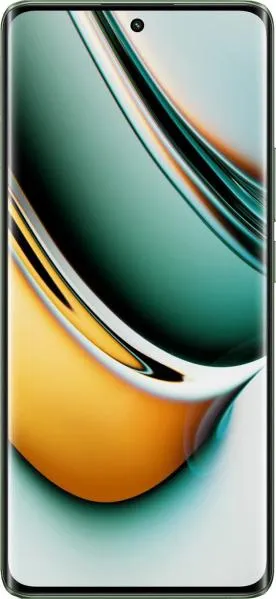

1. Specifications Comparison
| Feature | Realme 11 Pro+ | Sony Xperia 1 VI | Practical Impact |
|---|---|---|---|
| Design | |||
| Dimensions (mm) | 161.6 x 73.9 x 8.2 | 162 x 74 x 8.2 | Nearly identical dimensions; minimal practical difference in hand feel. |
| Weight (g) | 183 | 192 | Xperia is noticeably heavier (9g), potentially impacting comfort during extended use. |
| Fingerprint Sensor | Under display | Side-mounted | Preference-based; under-display is modern, side-mounted is potentially more reliable. |
| Display | |||
| Display Type | AMOLED | LTPO OLED | Both offer vivid colors and deep blacks. LTPO allows for dynamic refresh rate, potentially saving battery. |
| Display Size (inches) | 6.7 | 6.5 | Realme offers a slightly larger screen for more immersive content consumption. |
| Resolution | 1080 x 2412 | 1080 x 2340 | Negligible difference in sharpness at this size and resolution. |
| Refresh Rate (Hz) | 120 | 120 | Both offer smooth scrolling and animations. |
| Peak Brightness (nits) | 950 | Unspecified | Realme's higher peak brightness ensures better visibility outdoors. Missing Xperia data limits comparison. |
| Performance | |||
| Chipset | Mediatek Dimensity 7050 (6 nm) | Qualcomm Snapdragon 8 Gen 3 (4 nm) | Xperia boasts a significantly more powerful and efficient chip, resulting in much better performance for demanding tasks and gaming. |
| CPU | Octa-core (2x2.6 GHz Cortex-A78 & 6x2.0 GHz Cortex-A55) | Octa-core (1x3.3 GHz Cortex-X4 & 3x3.2 GHz Cortex-A720 & 2x3.0 GHz Cortex-A720 & 2x2.3 GHz Cortex-A520) | Xperia's newer CPU architecture offers substantial performance gains. |
| GPU | Mali-G68 MC4 | Adreno 750 | Xperia's GPU is considerably more powerful, delivering a superior gaming and graphics-intensive experience. |
| RAM (GB) | 8/12 | 12 | Xperia's 12GB RAM ensures smoother multitasking and better performance with demanding apps. Realme offers 8GB and 12GB variants. |
| Camera | |||
| Main Camera (MP) | 200 | 48 | Megapixel count doesn't tell the whole story. Xperia uses a larger sensor (1/1.4") with larger pixels (1.17µm), likely capturing more light and detail in various conditions. |
| Zoom | Digital up to 4x | Optical 7.1x | Xperia's optical zoom offers superior image quality at longer ranges compared to Realme's digital zoom. |
| Video | 4K@30fps, up to 960fps slow-mo | 4K@120fps, up to 120fps slow-mo | Xperia supports higher resolution and frame rate video recording, including impressive slow-motion capabilities. |
| Battery | |||
| Capacity (mAh) | 5000 | 5000 | Identical battery capacity; real-world battery life will depend on software optimization and chipset efficiency. |
| Charging Speed | Unspecified | Unspecified | Missing information prevents comparison of charging speeds. |
2. Key Differences Analysis
Realme 11 Pro+ Advantages:
- Larger Display: Slightly larger screen for more immersive media consumption.
- Potentially Lower Price: Belongs to a "medium price range," likely more affordable than the Xperia.
Sony Xperia 1 VI Advantages:
- Significantly More Powerful: Snapdragon 8 Gen 3 and 12GB RAM offer a considerable performance advantage.
- Superior Camera System: Larger sensor, optical zoom, and advanced video capabilities.
- LTPO Display: More power efficient display technology.
- More advanced connectivity: WiFi 7 and Bluetooth 5.4
3. User Profiles & Recommendations
Realme 11 Pro+: Budget-conscious users who prioritize a large display for media consumption and casual gaming.
Sony Xperia 1 VI: Power users, mobile gamers, photography enthusiasts, and videographers who demand top-tier performance and advanced features.
4. Decision Framework
Key Questions for Buyers:
- What is your budget? The Xperia 1 VI is considerably more expensive.
- What are your primary use cases? (e.g., gaming, photography, social media, web browsing).
- How important is raw performance and camera quality?
My Choice: Sony Xperia 1 VI
While lacking some specific details like peak brightness and charging speed, the Sony Xperia 1 VI is the clear winner for me. The significantly more powerful Snapdragon 8 Gen 3, superior camera system with optical zoom and advanced video capabilities, and the power-efficient LTPO display are compelling advantages. Although the Xperia 1 VI carries a higher price tag, the substantial performance and feature upgrades justify the cost for my needs. As a power user who values a smooth and responsive experience, excellent camera quality, and future-proofing, the Xperia 1 VI aligns better with my priorities. The Realme 11 Pro+ is a decent option for budget-conscious buyers, but the Xperia 1 VI offers a significant leap in overall quality and performance.
