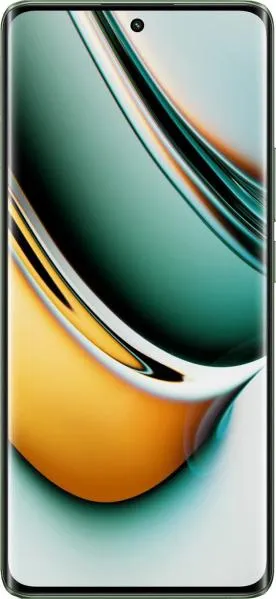

1. Specifications Comparison
| Feature | Realme 11 Pro+ | Samsung Galaxy M35 | Practical Impact |
|---|---|---|---|
| Design | |||
| Dimensions (mm) | 161.6 x 73.9 x 8.2 | 162.3 x 78.6 x 9.1 | Realme is slightly smaller and thinner. M35 might feel bulkier. |
| Weight (g) | 183 | 222 | Realme is noticeably lighter, more comfortable for extended use. |
| Fingerprint Sensor | Under Display | Side-mounted | Preference-based, but under-display is often considered more modern. |
| Display | |||
| Size (inches) | 6.7 | 6.6 | Negligible size difference. |
| Resolution | 1080 x 2412 | 1080 x 2340 | Virtually identical sharpness. |
| Type | AMOLED, 1B colors | Super AMOLED | Both offer vibrant colors and deep blacks, but Realme's 1B color depth provides a wider color gamut for more accurate color reproduction. |
| Refresh Rate (Hz) | 120 | 120 | Both offer smooth scrolling and animations. |
| Peak Brightness (nits) | 950 | 1000 (HBM) | M35 might be slightly brighter in direct sunlight with High Brightness Mode (exact values for typical brightness are missing). |
| Performance | |||
| Chipset | Mediatek Dimensity 7050 (6 nm) | Exynos 1380 (5 nm) | Exynos 1380 (5nm) generally offers better performance and efficiency due to the smaller manufacturing process. |
| CPU | Octa-core (2x2.6 GHz A78 & 6x2.0 GHz A55) | Octa-core (4x2.4 GHz A78 & 4x2.0 GHz A55) | Samsung likely has a performance edge due to higher clock speeds and more powerful cores. |
| GPU | Mali-G68 MC4 | Mali-G68 MP5 | M35's MP5 variant likely offers better graphics performance for gaming. |
| RAM (GB) | 8/12 | 6/8 | Both offer sufficient RAM for multitasking, but Realme offers a 12GB option for even smoother performance. |
| Camera | |||
| Main Camera (MP) | 200 | 50 | Realme boasts significantly higher resolution, potentially capturing more detail. However, megapixels alone don't guarantee image quality; sensor size and processing are crucial. Realme utilizes a larger sensor (1/1.4") compared to Samsung's (1/2"). |
| Sensor Size | 1/1.4" | 1/2" | Realme's larger sensor should capture more light, resulting in better low-light performance and potentially better dynamic range. |
| Front Camera (MP) | 32 | 13 | Realme offers a much higher resolution front camera for better selfies. |
| Video Recording | Up to 4K@30fps with EIS | Up to 4K@30fps with EIS | Similar video capabilities on paper, although specific EIS implementations may vary. |
| Battery | |||
| Capacity (mAh) | 5000 | 6000 | M35 offers longer battery life due to larger capacity. |
2. Key Differences Analysis
Realme 11 Pro+ Advantages:
- Superior Display: Wider color gamut (1B colors) for more accurate color reproduction.
- Higher Resolution Main & Selfie Cameras: Potential for more detailed photos and better selfies.
- Larger Main Camera Sensor: Potentially better low-light performance.
- Lighter and Slimmer Design: More comfortable for one-handed use and carrying.
- Higher RAM Option: Smoother performance with the 12GB variant.
Samsung Galaxy M35 Advantages:
- Longer Battery Life: Larger 6000 mAh battery.
- More Powerful Processor and GPU: Better overall performance and gaming experience.
- Lower Price: Significantly cheaper based on provided pricing data.
Trade-offs:
- Realme sacrifices battery life for a slimmer design.
- Samsung compromises on camera resolution and potentially display quality for a lower price and better performance.
3. User Profiles & Recommendations
Realme 11 Pro+: Users prioritizing camera quality, display vibrancy, and a slim design, willing to pay a premium. Ideal for photography enthusiasts, content creators, and those who value aesthetics.
Samsung Galaxy M35: Users prioritizing battery life, performance, and affordability. Suitable for everyday users, gamers on a budget, and those who need a long-lasting phone.
4. Decision Framework
- What is your budget? The M35 is significantly more affordable.
- What are your primary use cases? Photography/content creation favors the Realme; gaming and long battery life favor the M35.
- Which features are most important to you? Prioritize camera and display vs. battery and performance.
My Choice: Samsung Galaxy M35
While the Realme 11 Pro+ offers appealing features like a superior camera system and vibrant display, the Samsung Galaxy M35 provides a more well-rounded package for my needs. The significantly lower price combined with the more powerful processor, larger battery, and still-competent display makes it the more compelling choice. As someone who values performance and all-day battery life, the M35's advantages in these areas outweigh the Realme's camera and display benefits. The difference in camera hardware is notable, but good software processing can often bridge the gap in real-world usage. Ultimately, the M35 offers better value for its price.
