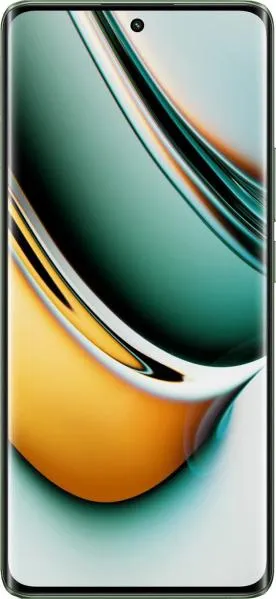
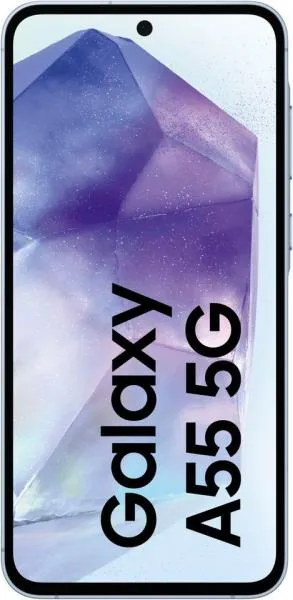
1. Specifications Comparison
| Feature | Realme 11 Pro+ | Samsung Galaxy A55 | Practical Impact |
|---|---|---|---|
| Design | |||
| Dimensions (mm) | 161.6 x 73.9 x 8.2 | 161.1 x 77.4 x 8.2 | Realme is slightly taller and narrower, Samsung is wider. Negligible difference in hand feel for most users. |
| Weight (g) | 183 | 213 | Realme is noticeably lighter, reducing hand fatigue during extended use. |
| Display | |||
| Display Type | AMOLED | Super AMOLED | Both offer vibrant colors and deep blacks. Samsung's Super AMOLED might offer slightly improved outdoor visibility. |
| Size (inches) | 6.7 | 6.6 | Negligible size difference. |
| Resolution | 1080 x 2412 | 1080 x 2340 | Virtually identical sharpness. |
| Refresh Rate (Hz) | 120 | 120 | Both offer smooth scrolling and animations. |
| Peak Brightness (nits) | 950 | Not specified | Realme's higher peak brightness ensures better visibility in direct sunlight. Missing spec for A55 limits comparison. |
| Performance | |||
| Chipset | Mediatek Dimensity 7050 (6 nm) | Exynos 1480 (4 nm) | Samsung's 4nm process suggests better power efficiency and potentially higher sustained performance. |
| CPU | Octa-core (2x2.6 GHz Cortex-A78 & 6x2.0 GHz Cortex-A55) | Octa-core (4x2.75 GHz Cortex-A78 & 4x2.0 GHz Cortex-A55) | Samsung's CPU configuration with more high-performance cores likely results in faster processing for demanding tasks. |
| GPU | Mali-G68 MC4 | Xclipse 530 | Difficult to compare directly without benchmarks. Expect comparable performance for everyday tasks, potential advantage for Samsung in gaming. |
| RAM (GB) | 8 (in this configuration) | 8 (in this configuration) | Equal RAM in the compared versions, sufficient for multitasking. Samsung offers a 12GB version for more demanding users. |
| OS Updates | Up to Android 15 | Up to Android 18 | Samsung offers significantly longer software support, ensuring security updates and new features for a longer period. |
| Camera | |||
| Main Camera (MP) | 200 | 50 | Realme boasts higher resolution, potentially capturing more detail. Samsung's sensor with larger pixel size (1.00 µm vs 0.56 µm) might offer better low-light performance. DXOMark score available for A55 suggests superior overall camera quality. |
| Video Recording | Up to 4K@30fps | Up to 4K@30fps | Similar maximum resolution. Realme offers higher frame rate slow-motion (960fps vs 240fps). |
| Battery | |||
| Capacity (mAh) | 5000 | 5000 | Identical battery capacity. Real-world battery life will depend on software optimization and usage patterns. Samsung's more efficient chip might offer an advantage. |
2. Key Differences Analysis
Realme 11 Pro+ Advantages:
- Lighter: Noticeably lighter, improving handling comfort.
- Higher Resolution Main Camera: Potentially capturing more detail in well-lit conditions.
- Higher Frame Rate Slow-Motion: Enables more dramatic slow-motion videos.
- Higher Peak Brightness: Better screen visibility outdoors.
Samsung Galaxy A55 Advantages:
- More Powerful & Efficient Chipset: Likely resulting in smoother performance and better battery life.
- Longer Software Support: Receiving updates and security patches for a significantly longer time.
- Better Overall Camera Quality (based on DXOMark): Despite lower resolution, A55 likely performs better in various scenarios, especially low light.
- More RAM Options: Availability of 12GB RAM configuration for power users.
3. User Profiles & Recommendations
Realme 11 Pro+: Users prioritizing a lightweight phone, high-resolution photos in daylight, and impressive slow-motion capabilities. Suitable for casual photographers and social media enthusiasts.
Samsung Galaxy A55: Users valuing long-term software support, reliable performance, consistent camera quality across various conditions, and potentially better battery life. Suitable for users who keep their phones for extended periods and prioritize overall experience.
4. Decision Framework
Key Questions for Buyers:
- How important is long-term software support?
- Which aspects of camera performance matter most (resolution, low-light, video)?
- Is a lightweight design a high priority?
Scenario-Based Recommendations:
- Prioritize Updates and Longevity: Samsung Galaxy A55.
- Best Camera Quality: Samsung Galaxy A55 (based on DXOMark).
- Lightest Possible Phone: Realme 11 Pro+.
My Choice: Samsung Galaxy A55
While the Realme 11 Pro+ offers some attractive features like its lighter weight and higher resolution camera, the Samsung Galaxy A55's longer software support, more powerful and efficient chipset, and superior overall camera quality (indicated by the DXOMark score) make it the better choice for me. I value the peace of mind that comes with knowing my phone will receive updates for years to come and perform consistently well throughout its lifespan. The potentially improved battery life due to the efficient processor is another significant factor. The slight weight difference is a trade-off I'm willing to make for the A55's advantages in crucial areas.
