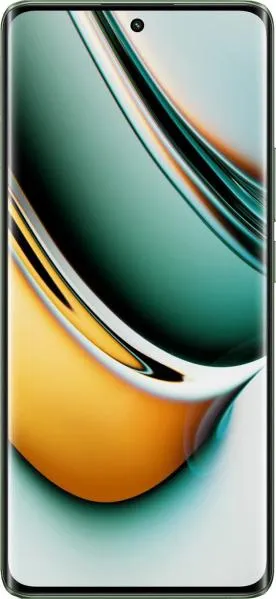
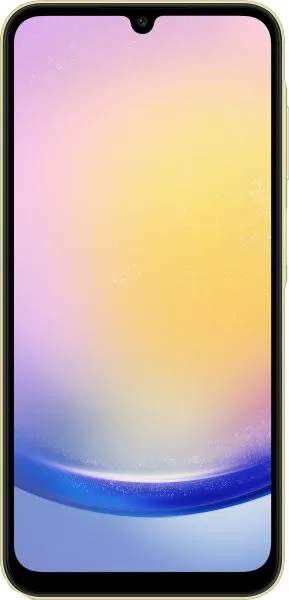
1. Specifications Comparison
| Feature | Realme 11 Pro+ | Samsung Galaxy A15 5G | Practical Impact |
|---|---|---|---|
| Design | |||
| Dimensions (mm) | 161.6 x 73.9 x 8.2 | 160.1 x 76.8 x 8.4 | Realme is slightly taller and thinner. Samsung is wider. Negligible difference in everyday use. |
| Weight (g) | 183 | 200 | Samsung is noticeably heavier, potentially impacting one-handed use. |
| Display | |||
| Display Type | AMOLED, 1B colors, 120Hz | Super AMOLED, 90Hz | Realme offers smoother scrolling and animations with the higher refresh rate and potentially more vibrant colors. |
| Peak Brightness (nits) | 950 | 800 | Realme's display will be more visible in direct sunlight. |
| Display Size (inches) | 6.7 | 6.5 | Realme offers a slightly larger screen for more immersive content consumption. |
| Performance | |||
| Chipset | Mediatek Dimensity 7050 (6 nm) | Mediatek Dimensity 6100+ (6 nm) | Both offer similar performance in everyday tasks, but specific benchmarks are needed for definitive comparison. |
| CPU | Octa-core (2x2.6 GHz A78 & 6x2.0 GHz A55) | Octa-core (2x2.2 GHz A76 & 6x2.0 GHz A55) | Realme has slightly faster prime cores potentially leading to quicker app loading and demanding tasks. |
| GPU | Mali-G68 MC4 | Mali-G57 MC2 | Realme's GPU likely provides better gaming performance. |
| RAM | 8/12GB | 4/6/8GB | Realme offers configurations with more RAM, enabling better multitasking and smoother performance with memory-intensive apps. |
| Camera | |||
| Main Camera (MP) | 200 | 50 | Realme boasts significantly higher resolution, potentially capturing more detail. Real-world image quality depends on processing. |
| Video Recording | 4K@30fps, 1080p@120fps | 1080p@30fps | Realme provides significantly better video recording capabilities with higher resolution and frame rate options. |
| Battery | |||
| Capacity (mAh) | 5000 | 5000 | Similar battery capacities suggest comparable battery life, but actual usage will depend on optimization and user habits. |
2. Key Differences Analysis
Realme 11 Pro+ Advantages:
- Superior Display: Higher refresh rate, peak brightness, and color depth translate to a smoother, more vibrant, and easily visible screen.
- Enhanced Performance: Faster CPU prime cores and a more powerful GPU offer a potential edge in demanding tasks and gaming.
- Significantly Better Camera: Higher resolution main sensor and superior video recording capabilities.
- More RAM Options: Configurations with higher RAM enable smoother multitasking.
Samsung Galaxy A15 5G Advantages:
- Lower Price: Offers a more budget-friendly option.
- Longer Software Support: Samsung generally provides longer software updates compared to Realme. This information is derived from historical trends and not explicitly stated in the provided data.
Trade-offs:
- Realme: Higher price for premium features.
- Samsung: Compromises on display, performance, and camera for affordability.
3. User Profiles & Recommendations
Realme 11 Pro+: Ideal for users who prioritize a premium multimedia experience, smooth performance, mobile gaming, and photography. Excellent for content consumption, social media enthusiasts, and mobile gamers.
Samsung Galaxy A15 5G: Suitable for budget-conscious users who prioritize basic smartphone functionality, reliable connectivity, and longer software support. Good for casual users, light web browsing, and communication.
4. Decision Framework
Key Questions for Buyers:
- What is your budget? The Samsung Galaxy A15 5G is significantly more affordable.
- What are your primary smartphone uses? For demanding tasks, multimedia, and gaming, the Realme excels. For basic communication and web browsing, the A15 5G suffices.
- How important is software update longevity? Samsung generally offers longer software support.
Scenario-Based Recommendations:
- Student on a Budget: Samsung Galaxy A15 5G
- Mobile Photographer/Videographer: Realme 11 Pro+
- Gamer: Realme 11 Pro+
My Choice: Realme 11 Pro+
While the Samsung Galaxy A15 5G offers a compelling price, the Realme 11 Pro+ provides a significantly better user experience across the board. The superior display, performance, and camera capabilities are substantial upgrades that justify the price difference for me. I value a smooth and responsive user interface, bright and vibrant visuals, and the ability to capture high-quality photos and videos. While longer software support is a consideration, the superior hardware and user experience of the Realme 11 Pro+ outweigh that benefit in my personal use case.
