1. Specifications Comparison
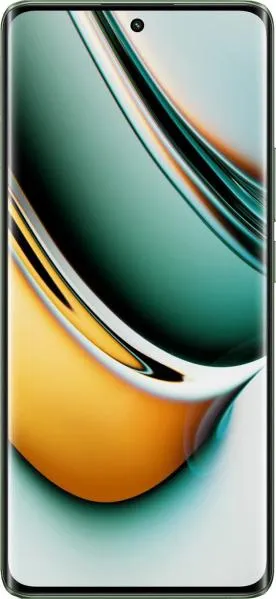
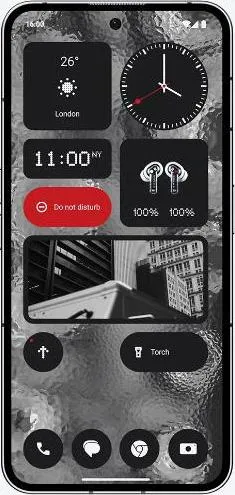
| Feature | Realme 11 Pro+ | Nothing Phone (2) | Practical Impact |
|---|---|---|---|
| Design | |||
| Dimensions (mm) | 161.6 x 73.9 x 8.2 | 162.1 x 76.4 x 8.6 | Nothing Phone (2) is slightly larger and thicker. |
| Weight (g) | 183 | 201.2 | Realme 11 Pro+ is noticeably lighter, improving one-handed use. |
| Display | |||
| Display Type | AMOLED | LTPO OLED | Both offer vibrant colors and deep blacks. LTPO on Nothing Phone (2) allows for more granular refresh rate control, potentially saving battery. |
| Size (inches) | 6.7 | 6.7 | Same screen size. |
| Resolution | 1080 x 2412 | 1080 x 2412 | Same resolution, resulting in similar sharpness. |
| Refresh Rate (Hz) | 120 | 120 | Both offer smooth scrolling and animations. |
| Peak Brightness (nits) | 950 | 1600 | Nothing Phone (2) is significantly brighter, improving outdoor visibility. |
| Performance | |||
| Chipset | Mediatek Dimensity 7050 (6 nm) | Qualcomm Snapdragon 8+ Gen 1 (4 nm) | Snapdragon 8+ Gen 1 offers significantly better CPU and GPU performance, leading to smoother multitasking, faster app loading, and better gaming capabilities. |
| CPU | Octa-core (2x2.6 GHz Cortex-A78 & 6x2.0 GHz Cortex-A55) | Octa-core (1x3.0 GHz Cortex-X2 & 3x2.5 GHz Cortex-A710 & 4x1.80 GHz Cortex-A510) | Nothing Phone (2)'s CPU architecture is more powerful and efficient. |
| GPU | Mali-G68 MC4 | Adreno 730 | Adreno 730 provides a superior gaming and graphics rendering experience. |
| RAM (GB) | 8 (in this variant) | 8/12 (variant dependent) | RAM amount impacts multitasking; 12GB on Nothing Phone (2) provides more headroom. |
| Camera | |||
| Main Camera (MP) | 200 | 50 | Realme boasts higher resolution; however, sensor size and other factors also contribute significantly to image quality. Practical comparison requires real-world image samples. |
| Ultrawide (MP) | 8 | 50 | Nothing Phone (2)'s higher resolution ultrawide offers greater detail and flexibility. |
| Macro (MP) | 2 | Combined with ultrawide | Dedicated macro lens on Realme might offer slightly better close-up shots, but the practical difference needs real-world comparison. |
| Battery | |||
| Capacity (mAh) | 5000 | 4700 | Realme offers a slightly larger battery capacity, potentially leading to longer battery life, but actual usage varies significantly based on usage patterns. |
2. Key Differences Analysis
Realme 11 Pro+ Advantages:
- Lighter and more compact: Easier for one-handed use and carrying.
- Larger battery: Potential for longer battery life.
- Higher resolution main camera: Potentially more detailed photos, though real-world performance depends on other factors.
Nothing Phone (2) Advantages:
- Significantly more powerful processor: Much smoother performance for demanding tasks and gaming.
- Brighter display: Better outdoor visibility.
- Higher resolution ultrawide camera: More detailed and versatile wide-angle shots.
- LTPO display: More energy-efficient variable refresh rate.
3. User Profiles & Recommendations
Realme 11 Pro+: Suitable for users who prioritize battery life, a lightweight design, and a lower price point. Ideal for everyday tasks, social media, and casual photography. Less suitable for demanding gaming or heavy multitasking.
Nothing Phone (2): Best for users who demand top-tier performance, a bright and vibrant display, and a more capable camera system. Ideal for mobile gaming, power users, and photography enthusiasts. The price premium is justified by the improved performance and features.
4. Decision Framework
Key Questions for Buyers:
- What is your budget? The Nothing Phone (2) commands a higher price.
- What are your primary use cases? Gaming and heavy multitasking favor the Nothing Phone (2), while casual use might favor the Realme for its lighter weight and potentially longer battery life.
- How important is camera quality? While Realme offers a higher resolution main sensor, Nothing Phone (2) has a superior ultrawide and overall more modern camera system. Real-world image comparisons are necessary.
My Choice: Nothing Phone (2)
While the Realme 11 Pro+ offers a compelling combination of features for its price, the Nothing Phone (2)'s superior performance due to the Snapdragon 8+ Gen 1 is a deciding factor for me. The brighter display, more versatile camera system with a high-resolution ultrawide, and LTPO technology further solidify its advantage. I prioritize a smooth and responsive user experience, especially for demanding tasks and gaming, making the Nothing Phone (2) the better choice despite the higher price. The weight difference, while noticeable, is not a deal-breaker for me. I would opt for the 12GB RAM variant for optimal future-proofing.
