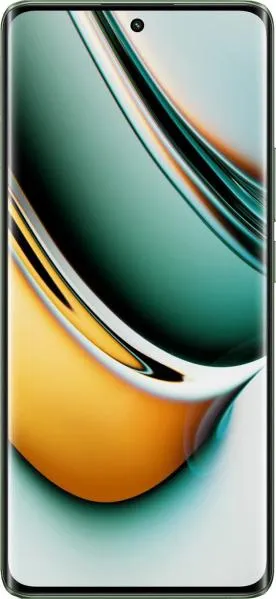
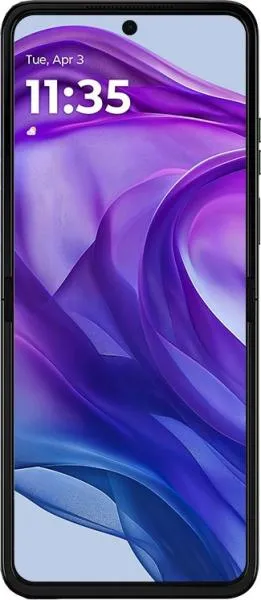
1. Specifications Comparison
| Feature | Realme 11 Pro+ | Motorola Razr 50 Ultra | Practical Impact |
|---|---|---|---|
| Design | |||
| Dimensions (mm) | 161.6 x 73.9 x 8.2 | 171.4 x 74 x 7.1 | Razr 50 Ultra is taller and slightly wider when unfolded, but significantly thinner due to its foldable design. Realme 11 Pro+ is a more traditional candy bar design. |
| Weight (g) | 183 | 189 | Negligible weight difference in practical use. |
| Foldable | No | Yes | Razr 50 Ultra offers a compact folded size for pocketability, transforming into a larger screen when unfolded. Realme offers a larger screen by default but lacks portability advantage. |
| Display | |||
| Display Type | AMOLED | Foldable LTPO AMOLED | Razr's foldable LTPO AMOLED offers potentially better power efficiency and smoother scrolling due to variable refresh rate, but durability of the folding screen is a concern. |
| Size (inches) | 6.7 | 6.9 | Razr offers a slightly larger screen when unfolded. |
| Resolution | 1080 x 2412 | 1080 x 2640 | Razr has a slightly taller aspect ratio and higher resolution, resulting in marginally more vertical screen real estate. |
| Refresh Rate (Hz) | 120 | 165 | Razr's higher refresh rate provides a smoother, more responsive user experience, especially noticeable in gaming and scrolling. |
| Peak Brightness (nits) | 950 | 3000 | Razr's significantly higher peak brightness ensures exceptional outdoor visibility. |
| Performance | |||
| Chipset | Mediatek Dimensity 7050 (6 nm) | Qualcomm SM8635 Snapdragon 8s Gen 3 (4 nm) | Razr 50 Ultra boasts a significantly more powerful processor built on a more advanced process node, leading to superior performance and efficiency in demanding tasks and gaming. |
| CPU | Octa-core (2x2.6 GHz Cortex-A78 & 6x2.0 GHz Cortex-A55) | Octa-core (1x3.0 GHz Cortex-X4 & 4x2.8 GHz Cortex-A720 & 3x2.0 GHz Cortex-A520) | Razr's CPU architecture offers higher clock speeds and a more powerful core configuration, translating to significantly faster processing. |
| GPU | Mali-G68 MC4 | Adreno 735 | Razr 50 Ultra's GPU is considerably more powerful, delivering smoother and more detailed graphics in games and visually intensive applications. |
| RAM | 8GB (listed example) | 12GB (listed example) | Razr offers more RAM, enabling better multitasking and smoother performance with demanding applications. Note: Both phones have other RAM variants. |
| Camera | |||
| Main Camera | 200MP (Samsung ISOCELL HP3) | 50MP (Samsung GN8) | Realme has significantly higher megapixel count, potentially capturing more detail in ideal conditions, while Razr utilizes a larger sensor size (1/1.96\" vs 1/1.4\") known for better low-light performance. |
| Front Camera | 32MP | 32MP | Comparable resolution, but sensor details are crucial for practical image quality comparison, and are missing for both. |
| Battery | |||
| Capacity (mAh) | 5000 | 4000 | Realme offers a larger battery capacity, likely translating to longer battery life. However, Razr's LTPO display could mitigate this difference. Real-world usage will vary. |
2. Key Differences Analysis
Realme 11 Pro+ Advantages:
- Longer Battery Life (Potentially): Larger 5000mAh battery.
- Higher Resolution Main Camera: 200MP sensor for detailed photos in good lighting.
- Lower Price: Typically more affordable than the Razr 50 Ultra.
Motorola Razr 50 Ultra Advantages:
- Significantly More Powerful: Snapdragon 8s Gen 3 chip provides a superior performance experience.
- Foldable Design: Offers a unique form factor, increased portability, and a larger screen when needed.
- Brighter Display: 3000 nits peak brightness ensures excellent outdoor visibility.
- Higher Refresh Rate Display: Smoother and more responsive visuals.
Trade-offs:
- Razr 50 Ultra: Higher price, smaller battery capacity, potential durability concerns with foldable display.
- Realme 11 Pro+: Less powerful, less bright display, conventional design.
3. User Profiles & Recommendations
Realme 11 Pro+: Budget-conscious users who prioritize battery life and camera megapixels over raw performance and cutting-edge features. Suitable for everyday tasks, social media, and casual photography.
Motorola Razr 50 Ultra: Users who value top-tier performance, a unique and compact foldable design, and a premium display experience. Ideal for demanding tasks, gaming, media consumption, and users who prioritize portability.
4. Decision Framework
Key Questions:
- Budget: How much are you willing to spend?
- Performance Needs: Do you require top-tier processing power for demanding tasks and gaming?
- Form Factor Preference: Do you prioritize portability and a unique design, or a larger, traditional smartphone?
Scenario-Based Recommendations:
- Heavy Gamer on a Budget: Realme 11 Pro+ might be a better fit due to its lower price, though performance will be significantly less powerful.
- Business Professional: Razr 50 Ultra offers a powerful and portable solution for productivity on the go.
- Casual User: Realme 11 Pro+ provides good value for everyday use at a lower price point.
My Choice: Motorola Razr 50 Ultra
While the Realme 11 Pro+ offers a compelling value proposition with its camera and battery, the Motorola Razr 50 Ultra's superior performance, stunning display, and innovative foldable design are more appealing to me. I prioritize a smooth and responsive user experience, and the Snapdragon 8s Gen 3, coupled with the 165Hz LTPO AMOLED display, delivers exactly that. The compact size when folded is a significant advantage for portability. While the battery is smaller, the LTPO display's efficiency mitigates this concern to some extent. The higher price is justified for the significant jump in performance and the unique form factor. I acknowledge the potential durability concerns associated with foldable phones, but the overall package offered by the Razr 50 Ultra outweighs this risk for me.
