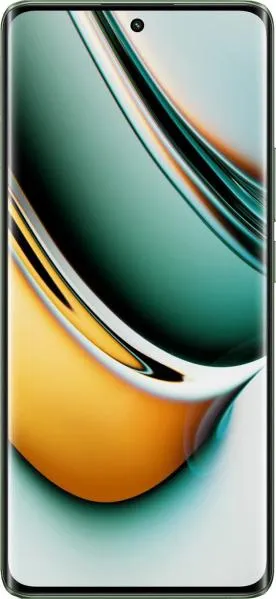

1. Specifications Comparison
| Feature | Realme 11 Pro+ | Motorola Razr 40 Ultra | Practical Impact |
|---|---|---|---|
| Design | |||
| Dimensions (mm) | 161.6 x 73.9 x 8.2 | 170.8 x 74 x 7 | Razr 40 Ultra is taller and slightly wider when unfolded, but significantly thinner due to its foldable design. Realme 11 Pro+ is a traditional slab phone. |
| Weight (g) | 183 | 184.5 | Negligible weight difference. |
| Foldable | No | Yes | Razr 40 Ultra offers a compact folded size for pocketability, transforming into a larger screen when unfolded. Realme 11 Pro+ offers a consistently large screen experience. |
| Display | |||
| Display Type | AMOLED | Foldable LTPO AMOLED | Both offer vibrant colors and deep blacks. LTPO on the Razr allows for dynamic refresh rate adjustment, potentially saving battery. The folding display introduces a crease. |
| Size (inches) | 6.7 | 6.9 | Razr offers a slightly larger screen when unfolded. |
| Resolution | 1080 x 2412 | 1080 x 2640 | Razr has a slightly taller aspect ratio and higher resolution, resulting in marginally sharper visuals. |
| Refresh Rate (Hz) | 120 | 165 | Razr's higher refresh rate provides smoother animations and scrolling, especially noticeable in gaming and fast-paced content. |
| Peak Brightness (nits) | 950 | 1400 | Razr's significantly higher peak brightness ensures better visibility in direct sunlight. |
| Performance | |||
| Chipset | Mediatek Dimensity 7050 (6 nm) | Qualcomm Snapdragon 8+ Gen 1 (4 nm) | Snapdragon 8+ Gen 1 offers significantly better CPU and GPU performance compared to Dimensity 7050, translating to smoother multitasking, faster app loading, and enhanced gaming capabilities. |
| CPU | Octa-core (2x2.6 GHz Cortex-A78 & 6x2.0 GHz Cortex-A55) | Octa-core (1x3.19 GHz Cortex-X2 & 3x2.75 GHz Cortex-A710 & 4x1.80 GHz Cortex-A510) | Razr's CPU architecture is more powerful and efficient. |
| GPU | Mali-G68 MC4 | Adreno 730 | Adreno 730 provides a superior gaming and graphics rendering experience compared to Mali-G68 MC4. |
| RAM (GB) | 8 | 8 | Both phones have the same RAM, sufficient for most tasks. However, more demanding users might prefer a 12GB variant if available. |
| Camera | |||
| Main Camera (MP) | 200 | 12 | Realme boasts a significantly higher megapixel count. However, megapixels alone don't guarantee image quality; sensor size and processing are crucial. Missing sensor size information for the Razr limits a thorough comparison. |
| Practical Impact | Potentially more detailed images from Realme, but Razr might offer better low-light performance due to potentially larger pixel size (information not available). Razr also features a cover screen that can be used for selfies with the rear camera. | ||
| Battery | |||
| Capacity (mAh) | 5000 | 3800 | Realme offers significantly longer battery life due to larger capacity. Razr's smaller battery is likely a compromise for its slim foldable design. |
2. Key Differences Analysis
Realme 11 Pro+ Advantages:
- Significantly longer battery life: The 5000mAh battery will easily last a full day even with heavy usage.
- Higher resolution main camera: The 200MP sensor potentially captures more detail.
- Lower price: Generally more affordable than the Razr 40 Ultra.
Motorola Razr 40 Ultra Advantages:
- Foldable design: Offers unmatched portability and a unique form factor.
- More powerful performance: Snapdragon 8+ Gen 1 provides a significant performance advantage for demanding tasks and gaming.
- Smoother display: 165Hz refresh rate and LTPO technology deliver a superior visual experience.
- Brighter Display: Much brighter display for outdoor visibility
3. User Profiles & Recommendations
Realme 11 Pro+: Ideal for users prioritizing battery life, a large display, and a high-resolution camera on a budget. Suitable for everyday use, including social media, browsing, and casual gaming.
Motorola Razr 40 Ultra: Best suited for users who value portability, cutting-edge technology, and a premium design. Ideal for those who want a compact phone without sacrificing screen size when needed. The powerful processor makes it suitable for demanding tasks and gaming.
4. Decision Framework
Key Questions for Buyers:
- How important is portability? If pocketability is paramount, the Razr's foldable design is a clear winner.
- What's your budget? The Realme offers excellent value for its price, while the Razr commands a premium.
- What are your performance needs? For demanding tasks and gaming, the Razr's superior processor is essential. For everyday use, the Realme is sufficient.
My Choice: Motorola Razr 40 Ultra
While the Realme 11 Pro+ offers compelling features like a large battery and high-resolution camera at a lower price, the Motorola Razr 40 Ultra's innovative foldable design, superior performance (Snapdragon 8+ Gen 1), and smoother, brighter display (165Hz LTPO AMOLED) are more appealing to me. I prioritize cutting-edge technology and portability, and I am willing to compromise on battery life for the unique form factor and performance benefits of the Razr. The significantly improved performance and brighter display outweigh the battery difference for my usage. The ability to use the external display for quick interactions and high-quality selfies with the main camera is a significant advantage as well. The novelty of the foldable design and its compact size when folded are highly attractive to me.
