1. Specifications Comparison
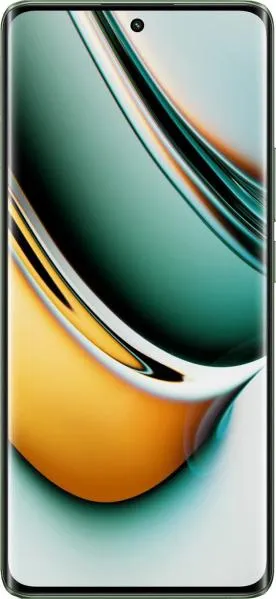
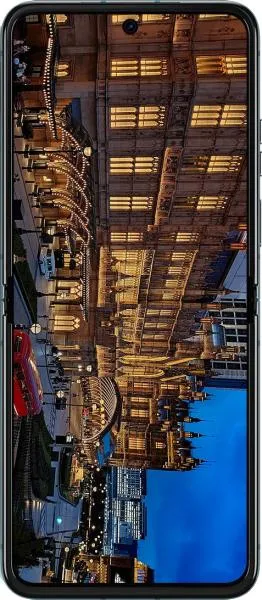
| Feature | Realme 11 Pro+ | Motorola Razr 40 | Practical Impact |
|---|---|---|---|
| Design | |||
| Dimensions (mm) | 161.6 x 73.9 x 8.2 | 170.8 x 74 x 7.4 | Razr 40 is taller and slightly thicker when unfolded, but significantly smaller when folded due to its foldable design. Pro+ is thinner overall when unfolded. |
| Weight (g) | 183 | 188.6 | Negligible weight difference in practical use. |
| Foldable | No | Yes | Razr 40 offers portability and a unique form factor. Pro+ is a traditional slab design. |
| Display | |||
| Display Type | AMOLED | Foldable LTPO AMOLED | Razr 40's foldable display allows for a larger screen in a smaller device, but introduces a potential crease. Pro+ offers a standard, uninterrupted display. |
| Size (inches) | 6.7 | 6.9 | Razr 40 provides more screen real estate. |
| Resolution (px) | 1080 x 2412 | 1080 x 2640 | Both offer sharp visuals, but Razr 40 is slightly taller. |
| Refresh Rate (Hz) | 120 | 144 | Razr 40 boasts smoother animations and scrolling. |
| Peak Brightness (nits) | 950 | 1400 | Razr 40 is significantly brighter, improving outdoor visibility. |
| Performance | |||
| Chipset | Mediatek Dimensity 7050 (6 nm) | Qualcomm Snapdragon 7 Gen 1 (4 nm) | Snapdragon 7 Gen 1 generally offers better performance and efficiency due to its more advanced manufacturing process. |
| CPU | Octa-core (2x2.6 GHz Cortex-A78 & 6x2.0 GHz Cortex-A55) | Octa-core (1x2.4 GHz Cortex-A710 & 3x2.36 GHz Cortex-A710 & 4x1.8 GHz Cortex-A510) | Snapdragon 7 Gen 1's architecture should provide superior performance in demanding tasks and multitasking. |
| GPU | Mali-G68 MC4 | Adreno 644 | Adreno 644 generally provides better gaming performance. |
| RAM (GB) | 8 | 8 | Both phones have the same amount of RAM in this comparison. More RAM options might be available for each phone. |
| Camera | |||
| Main Camera (MP) | 200 | 64 | Realme boasts higher resolution, potentially capturing more detail. However, megapixels alone don't determine image quality; sensor size and processing are crucial. |
| Ultrawide (MP) | 8 | 13 | Razr 40 has a slightly higher resolution ultrawide. |
| Macro (MP) | 2 | Combined with ultrawide | Dedicated macro lens on the Realme might offer better close-up shots compared to a combined ultrawide/macro solution. |
| Selfie (MP) | 32 | 32 | Same resolution, but image quality will depend on sensor and processing. |
| Battery | |||
| Capacity (mAh) | 5000 | 4200 | Realme offers significantly longer battery life. |
2. Key Differences Analysis
Realme 11 Pro+ Advantages:
- Larger Battery: Significantly longer battery life.
- Higher Resolution Main Camera: Potential for more detailed photos (dependent on other factors).
- Dedicated Macro Lens: Potentially better close-up shots.
- Lower Price: Generally more affordable.
Motorola Razr 40 Advantages:
- Foldable Design: Increased portability and unique form factor.
- Higher Refresh Rate Display: Smoother animations and scrolling.
- Brighter Display: Better outdoor visibility.
- More Powerful Chipset: Improved performance in demanding tasks and gaming.
3. User Profiles & Recommendations
Realme 11 Pro+: Ideal for users prioritizing battery life, a large display, and affordability. Suitable for everyday use, media consumption, and casual photography.
Motorola Razr 40: Ideal for users who value portability, a unique design, and smooth performance. Suitable for those who want a pocketable device with a large screen and are willing to compromise on battery life for the foldable form factor.
4. Decision Framework
Key Questions for Buyers:
- How important is portability? Foldable design is key for maximum portability.
- What's your budget? Realme generally offers better value for the price.
- What are your primary use cases? (Gaming, photography, media consumption, etc.)
Scenario-Based Recommendations:
- Heavy user needing long battery life: Realme 11 Pro+
- User prioritizing portability and style: Motorola Razr 40
- Gamer on a budget: Realme 11 Pro+ might offer better value depending on specific gaming needs.
- User wanting the best possible display: Motorola Razr 40
My Choice: Realme 11 Pro+
While the Razr 40 offers a compelling foldable design and performance advantages, the Realme 11 Pro+ better suits my needs. I prioritize battery life and overall value. The significantly larger battery capacity is a crucial factor for me. The 200MP camera, while not solely indicative of quality, offers potential benefits in certain scenarios. The price difference, combined with the longer battery life and satisfactory performance for my typical usage (browsing, media consumption, light gaming), makes the Realme 11 Pro+ the more compelling choice for me. The dedicated macro lens is also a plus for occasional close-up photography. I acknowledge the trade-offs in terms of raw performance and display quality, but these are acceptable compromises given my priorities.
