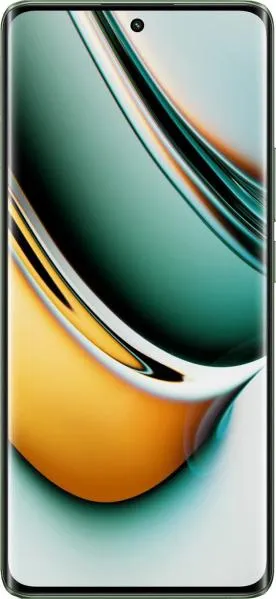
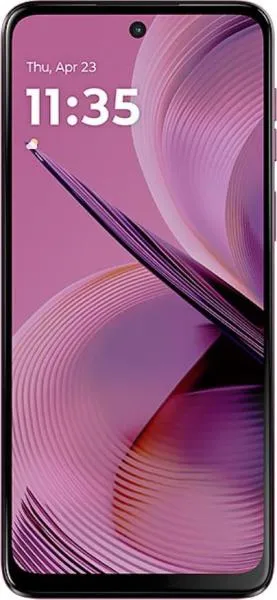
1. Specifications Comparison
| Feature | Realme 11 Pro+ | Motorola Moto G55 | Practical Impact |
|---|---|---|---|
| Design | |||
| Dimensions (mm) | 161.6 x 73.9 x 8.2 | 161.6 x 73.8 x 8.1 | Virtually identical dimensions |
| Weight (g) | 183 | 179 | Negligible weight difference in hand |
| Build Materials | Not specified | Not specified | Cannot compare build quality and durability |
| Display | |||
| Display Type | AMOLED | IPS LCD | Realme offers richer colors, deeper blacks, and potentially better power efficiency due to AMOLED technology. Moto G55's LCD might offer better visibility in direct sunlight. |
| Display Size (inches) | 6.7 | 6.49 | Realme offers a slightly larger screen for more immersive content consumption. |
| Resolution | 1080 x 2412 | 1080 x 2400 | Nearly identical resolution; sharpness will be similar on both. |
| Refresh Rate (Hz) | 120 | 120 | Both offer smooth scrolling and animations thanks to the 120Hz refresh rate. |
| Peak Brightness (nits) | 950 | Not specified | Realme's higher peak brightness ensures better visibility outdoors. The lack of data for the Moto G55 makes a direct comparison impossible. |
| Performance | |||
| Chipset | Mediatek Dimensity 7050 (6 nm) | Mediatek Dimensity 7025 (6 nm) | The Dimensity 7050 is negligibly faster, but real-world performance differences will likely be minimal. |
| CPU | Octa-core (2x2.6 GHz Cortex-A78 & 6x2.0 GHz Cortex-A55) | Octa-core (2x2.5 GHz Cortex-A78 & 6x2.0 GHz Cortex-A55) | Realme has a slightly higher clock speed on the performance cores, potentially offering slightly faster performance in demanding tasks. |
| GPU | Mali-G68 MC4 | IMG BXM-8-256 | Different GPUs; performance comparison requires further benchmarking data, but Mali-G68 generally offers better gaming performance. |
| RAM (GB) | 8/12 | 8 | Realme offers a 12GB RAM option for enhanced multitasking, while the Moto G55 has only 8GB. |
| Camera | |||
| Main Camera (MP) | 200 | 50 | Realme boasts a significantly higher resolution main camera, potentially capturing more detail. However, megapixel count isn't everything; image quality depends on sensor size, processing, and other factors. |
| Front Camera (MP) | 32 | 16 | Realme offers a higher resolution front camera for better selfies. |
| Video Recording | Up to 4K@30fps with EIS | Up to 1080p@60fps | Realme offers 4K video recording, while Moto G55 is limited to 1080p. Realme also offers more advanced video features like 960fps slow-motion. |
| Battery | |||
| Capacity (mAh) | 5000 | 5000 | Identical battery capacity; real-world battery life depends on software optimization and usage patterns. |
2. Key Differences Analysis
Realme 11 Pro+ Advantages:
- Superior Display: AMOLED technology offers better colors, contrast, and power efficiency. Higher peak brightness ensures better outdoor visibility.
- More Powerful Camera System: Higher resolution main and selfie cameras, 4K video recording, and advanced features like 960fps slow-motion.
- Higher RAM Option: 12GB RAM variant available for smoother multitasking.
Motorola Moto G55 Advantages:
- Potentially Lower Price: Based on available pricing data, the Moto G55 appears to be more affordable.
- Slightly Lighter: Though the difference is minimal, the Moto G55 is slightly lighter.
- Newer OS at Launch: Launched with Android 14, potentially offering longer software support.
3. User Profiles & Recommendations
Realme 11 Pro+: Users who prioritize display quality, camera performance, and smooth multitasking. Ideal for photography enthusiasts, mobile gamers, and content consumers.
Motorola Moto G55: Budget-conscious users who prioritize affordability and a clean Android experience. Suitable for everyday tasks like browsing, social media, and communication.
4. Decision Framework
Key Questions for Buyers:
- What is your budget? The Moto G55 is likely more affordable.
- What are your primary use cases? Realme excels in photography, gaming, and media consumption; Moto G55 is sufficient for basic tasks.
- How important is display quality? Realme's AMOLED display offers a significant advantage.
My Choice: Realme 11 Pro+
While the Motorola Moto G55 offers a compelling price point, the Realme 11 Pro+ provides a significantly better overall user experience due to its superior AMOLED display, more versatile camera system, and the option for higher RAM. The slightly higher price is justified by these tangible improvements in daily usage. For me, the display and camera are key factors, and the Realme excels in both. The potentially longer software support of the Moto G55 is a consideration, but the Realme's hardware advantages outweigh this for my personal needs.
