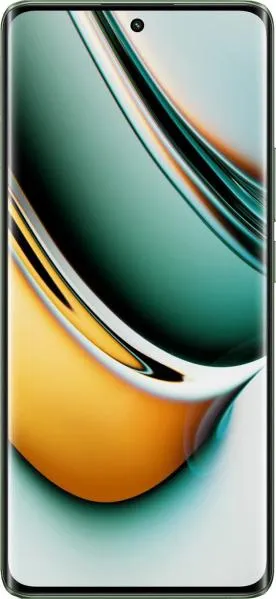
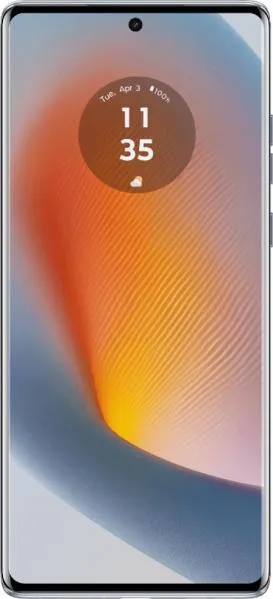
1. Specifications Comparison
| Feature | Realme 11 Pro+ | Motorola Edge 50 Fusion | Practical Impact |
|---|---|---|---|
| Design | |||
| Dimensions (mm) | 161.6 x 73.9 x 8.2 | 161.9 x 73.1 x 7.9 | Virtually identical in size; negligible real-world difference. |
| Weight (g) | 183 | 174.9 | Motorola is slightly lighter, potentially more comfortable for extended use. |
| Display | |||
| Type | AMOLED | P-OLED | Both offer excellent color and contrast; subjective preference may apply. P-OLED generally consumes less power. |
| Size (inches) | 6.7 | 6.7 | Same screen size. |
| Resolution | 1080 x 2412 | 1080 x 2400 | Negligible difference in sharpness. |
| Refresh Rate (Hz) | 120 | 120 (LATAM), 144 (INT) | International version of Motorola offers smoother scrolling and animations with 144Hz; LATAM version matches Realme. |
| Peak Brightness (nits) | 950 | 1600 | Motorola offers significantly higher peak brightness, improving outdoor visibility. |
| Performance | |||
| Chipset | Mediatek Dimensity 7050 (6 nm) | Qualcomm Snapdragon 7s Gen 2 (4 nm) | Snapdragon 7s Gen 2 is generally more powerful and efficient due to the 4nm process. |
| CPU | Octa-core (2x2.6 GHz A78 & 6x2.0 GHz A55) | Octa-core (4x2.4 GHz A78 & 4x1.95 GHz A55) | Motorola's CPU configuration suggests better sustained performance. |
| GPU | Mali-G68 MC4 | Adreno 710 | Adreno 710 generally provides better gaming performance. |
| RAM (GB) | 8 (in this price comparison) | 8 (in this price comparison) | Both phones offer the same RAM in the price range being compared, sufficient for most multitasking. |
| Camera | |||
| Main Camera (MP) | 200 | 50 | Realme boasts higher resolution; however, sensor size and other factors also impact image quality. Real-world comparison needed. |
| Ultrawide (MP) | 8 | 13 | Motorola has a higher resolution ultrawide camera. |
| Macro (MP) | 2 | Combined with ultrawide | Dedicated macro lens on Realme might offer slightly better close-up shots. |
| Selfie (MP) | 32 | 32 | Same resolution; image quality depends on sensor and processing. |
| Battery | |||
| Capacity (mAh) | 5000 | 5000 | Same battery capacity. Actual battery life depends on usage and efficiency. |
| OS Updates | Up to Android 15 | Up to Android 17 | Motorola offers longer software support, important for security and features. |
2. Key Differences Analysis
Realme 11 Pro+ Advantages:
- Higher resolution main camera: Potentially more detail in good lighting conditions. Needs real-world comparison.
- Dedicated macro lens: Potentially better close-up shots compared to Motorola's combined ultrawide/macro.
Motorola Edge 50 Fusion Advantages:
- More powerful and efficient chipset: Better performance and potentially longer battery life.
- Brighter display: Easier to see outdoors in sunlight.
- Smoother display (International Version): 144Hz refresh rate provides a more fluid user experience.
- Longer software support: Guaranteed updates for a longer period, enhancing security and longevity.
3. User Profiles & Recommendations
Realme 11 Pro+: Users prioritizing a high-resolution main camera and potentially better macro photography on a budget.
Motorola Edge 50 Fusion: Users prioritizing overall performance, a brighter and smoother display (International Version), and longer software updates. Suitable for gaming, media consumption, and those seeking a future-proof device.
4. Decision Framework
Key Questions for Buyers:
- Is camera resolution the top priority? If so, the Realme's 200MP sensor might be appealing, pending real-world image quality comparisons.
- How important is performance and future-proofing? The Motorola's superior processor, longer OS update commitment, and potentially better battery life make it a stronger contender in the long run.
- Where will the phone primarily be used? Motorola's brighter display is advantageous outdoors. The 144Hz refresh rate on the International version is beneficial for gamers and those sensitive to smooth scrolling.
Scenario-Based Recommendations:
- Casual User: Either phone could be suitable. Consider individual preferences for camera and display.
- Power User/Gamer: Motorola Edge 50 Fusion is the better choice due to its superior performance and smoother refresh rate (International Version).
- Outdoor Enthusiast: Motorola Edge 50 Fusion is recommended for its brighter display.
My Choice: Motorola Edge 50 Fusion (International Version)
Reasons:
- The Snapdragon 7s Gen 2 offers a significant performance advantage over the Dimensity 7050, crucial for smooth multitasking and gaming.
- The brighter display (1600 nits) is a major plus for outdoor usability.
- The 144Hz refresh rate makes scrolling and animations noticeably smoother, contributing to a more premium user experience.
- Longer software update commitment ensures the phone remains secure and feature-rich for a longer period.
While the Realme 11 Pro+ boasts a 200MP main camera, real-world image quality comparisons are needed to determine its true advantage. Without concrete evidence of superior image quality, the Motorola's overall stronger performance, display, and longevity make it the more compelling choice for me. The slightly higher price for the Motorola (depending on the specific variant and retailer) is justified by these advantages.
