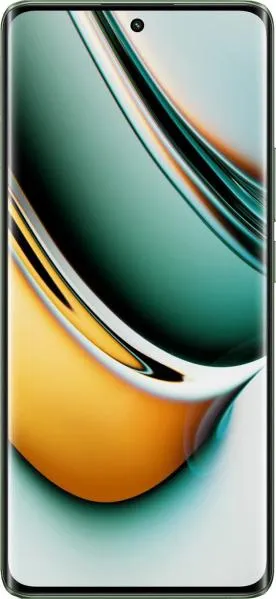
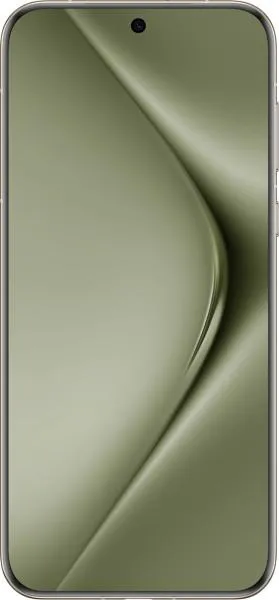
1. Specifications Comparison
| Feature | Realme 11 Pro+ | Huawei Pura 70 Ultra | Practical Impact |
|---|---|---|---|
| Design | |||
| Dimensions (mm) | 161.6 x 73.9 x 8.2 | 162.6 x 75.1 x 8.4 | Huawei is slightly larger and thicker. Negligible difference in daily use. |
| Weight (g) | 183 | 226 | Huawei is significantly heavier, potentially noticeable during extended use. |
| Display | |||
| Size (inches) | 6.7 | 6.8 | Huawei offers a marginally larger screen. |
| Resolution (px) | 1080 x 2412 | 1260 x 2844 | Huawei has a sharper display with higher resolution, resulting in clearer text and images. |
| Panel Type | AMOLED | LTPO OLED | Both offer vibrant colors and deep blacks. Huawei's LTPO panel allows for dynamic refresh rate adjustment, potentially saving battery. |
| Peak Brightness (nits) | 950 | 2500 | Huawei's display is significantly brighter, offering better visibility outdoors. |
| Refresh Rate (Hz) | 120 | 120 | Both offer smooth scrolling and animations. |
| Performance | |||
| Chipset | Mediatek Dimensity 7050 (6 nm) | Kirin 9010 (7 nm) | Kirin 9010 is expected to be more powerful based on historical Kirin performance, leading to faster app loading and smoother multitasking. |
| CPU | Octa-core (2x2.6 GHz Cortex-A78 & 6x2.0 GHz Cortex-A55) | Octa-core (1x2.3 GHz Taishan Big & 3x2.18 GHz Taishan Mid & 4x1.55 GHz Cortex-A510) | Difficult to compare directly without benchmarks. Kirin's architecture suggests potential for better sustained performance. |
| GPU | Mali-G68 MC4 | Maleoon 910 | Huawei's GPU is likely more powerful but requires real-world testing for confirmation. Expect better gaming performance on the Huawei. |
| RAM (GB) | 8/12 | 16 | Huawei offers significantly more RAM, enabling smoother multitasking and better handling of demanding applications. |
| Camera | |||
| Main Camera (MP) | 200 | 50 | Realme has a higher megapixel count, but sensor size and other factors are crucial for image quality. Huawei uses a larger 1-inch sensor (IMX989), generally indicating superior low-light performance and dynamic range. |
| Ultrawide (MP) | 8 | 40 | Huawei offers a higher resolution ultrawide camera. |
| Telephoto | No | Yes (50MP, 3.5x optical zoom) | Huawei has a dedicated telephoto lens, enabling optical zoom for better quality zoomed images. |
| Battery | |||
| Capacity (mAh) | 5000 | 5200 | Huawei has a slightly larger battery capacity, but actual battery life depends on various factors. |
2. Key Differences Analysis
Realme 11 Pro+ Advantages:
- Lighter and potentially more comfortable for one-handed use.
- Potentially more affordable (medium price range).
- Higher resolution main camera sensor (200MP), although image quality depends on multiple factors.
Huawei Pura 70 Ultra Advantages:
- Significantly more powerful processor and GPU, resulting in smoother performance.
- Sharper and brighter display with LTPO technology for potential power savings.
- More RAM for superior multitasking.
- Versatile camera system with a dedicated telephoto lens and a larger main sensor.
- Slightly larger battery capacity.
- USB 3.1 with DisplayPort support.
3. User Profiles & Recommendations
Realme 11 Pro+: Users on a budget seeking a stylish phone with a good display and decent performance. Suitable for everyday tasks, social media, and casual gaming.
Huawei Pura 70 Ultra: Power users, photographers, and videographers who demand top-tier performance, a brilliant display, and a versatile camera system. Suitable for demanding tasks, gaming, content creation, and professional use.
4. Decision Framework
Key Questions:
- What is your budget? The Huawei is significantly more expensive.
- What are your primary use cases? For basic tasks, the Realme may suffice. For demanding tasks and content creation, the Huawei is better suited.
- How important is camera quality and versatility? Huawei's camera system is superior with its telephoto lens and larger main sensor.
My Choice: Huawei Pura 70 Ultra
While significantly more expensive, the Huawei Pura 70 Ultra offers a compelling package for my needs. The superior performance, brighter and sharper LTPO display, more versatile camera system with a dedicated telephoto lens and larger main sensor, and the added benefit of USB 3.1 with DisplayPort outweigh the price difference and added weight. The Kirin 9010, historically a powerful chipset, combined with 16GB RAM, ensures a future-proof device capable of handling demanding tasks and multitasking with ease. I prioritize performance, display quality, and camera versatility, making the Huawei the clear winner for me. The lack of specific details on certain aspects, such as GPU performance and detailed camera sensor information, doesn't detract from the clear advantages presented by the Huawei based on the available information. The Realme, while a decent phone, simply doesn't compete in terms of overall performance and feature set.
