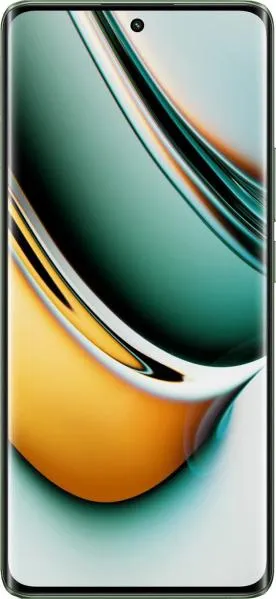
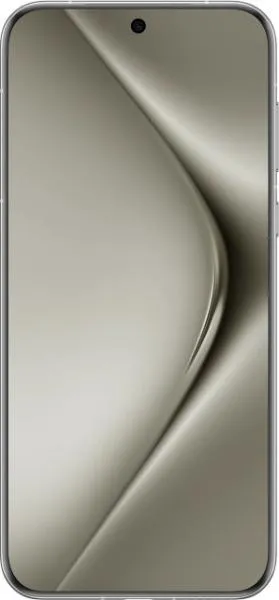
1. Specifications Comparison
| Feature | Realme 11 Pro+ | Huawei Pura 70 Pro | Practical Impact |
|---|---|---|---|
| Design | |||
| Dimensions (mm) | 161.6 x 73.9 x 8.2 | 162.6 x 75.1 x 8.4 | Huawei slightly larger and thicker. Negligible difference in everyday use. |
| Weight (g) | 183 | 220 | Realme significantly lighter, more comfortable for extended use. |
| Display | |||
| Size (inches) | 6.7 | 6.8 | Huawei slightly larger screen for more immersive media consumption. |
| Resolution (px) | 1080 x 2412 | 1260 x 2844 | Huawei noticeably sharper display due to higher resolution. |
| Panel Type | AMOLED | LTPO OLED | Both offer vibrant colors and deep blacks. Huawei's LTPO allows for dynamic refresh rate, potentially saving battery. |
| Refresh Rate (Hz) | 120 | 120 | Both offer smooth scrolling and animations. |
| Peak Brightness (nits) | 950 | 2500 | Huawei significantly brighter, better visibility in direct sunlight. |
| Performance | |||
| Chipset | Mediatek Dimensity 7050 (6 nm) | Kirin 9010 (7 nm) | Kirin 9010 likely offers superior performance based on historical Kirin performance. However, without benchmarks, a definitive statement can't be made. |
| CPU | Octa-core (2x2.6 GHz A78 & 6x2.0 GHz A55) | Octa-core (1x2.3 GHz Taishan Big & 3x2.18 GHz Taishan Mid & 4x1.55 GHz A510) | Kirin 9010's more powerful core architecture suggests better performance in demanding tasks. |
| GPU | Mali-G68 MC4 | Maleoon 910 | No GPU frequency information provided. Difficult to compare graphical performance. Maleoon 910 assumed to be a typo for Mali. Need confirmation.* | |
| RAM (GB) | 8/12 | 12 | Huawei offers more RAM in base configuration, beneficial for multitasking. |
| Camera | |||
| Main Camera (MP) | 200 | 50 | Realme boasts higher megapixel count, but image quality depends on sensor size, processing, and other factors. |
| Ultrawide (MP) | 8 | 12.5 | Huawei's ultrawide offers slightly higher resolution. |
| Telephoto (MP) | N/A | 48 | Huawei offers a dedicated telephoto lens for optical zoom, absent in Realme. |
| Battery | |||
| Capacity (mAh) | 5000 | 5050 | Negligible difference in battery capacity. Real-world battery life depends on software optimization and usage patterns. |
| Other | |||
| OS | Android 13 | Unspecified | No OS information for Huawei makes comparison difficult. Impacts app availability and overall user experience. |
| Price Range | Medium | Medium | Despite both being in the "medium" price range, provided pricing shows significant difference. Huawei is considerably more expensive. |
| USB Version | 2.0 | 3.1 | Huawei's USB 3.1 offers significantly faster data transfer speeds. |
2. Key Differences Analysis
Realme 11 Pro+ Advantages:
- Lighter and more comfortable to hold.
- Lower price.
- Confirmed Android OS with update path. (major advantage given Huawei's OS situation)
Huawei Pura 70 Pro Advantages:
- Sharper, brighter display.
- More powerful processor and more RAM.
- Dedicated telephoto lens for optical zoom.
- Faster data transfer with USB 3.1.
- LTPO display for potential power saving.
Trade-offs:
- Huawei's significantly higher price.
- Uncertainty surrounding Huawei's OS and app ecosystem. This is a major consideration.
3. User Profiles & Recommendations
Realme 11 Pro+: Suitable for users seeking a budget-friendly phone with a good display and decent performance. Best for everyday tasks, social media, casual gaming, and photography.
Huawei Pura 70 Pro: Ideal for users prioritizing performance, a premium display, and advanced camera features. Best for demanding tasks, mobile gaming, professional photography/videography. However, the OS situation needs careful consideration.
4. Decision Framework
Key Questions for Buyers:
- What is your budget? The price difference is significant.
- What is your primary use case? (e.g., everyday tasks, gaming, photography)
- How important is access to Google services and a wide app selection?
Scenario-Based Recommendations:
- Budget-conscious user: Realme 11 Pro+
- Power user prioritizing performance and camera: Huawei Pura 70 Pro (if OS limitations are acceptable)
My Choice: Realme 11 Pro+
While the Huawei Pura 70 Pro boasts superior hardware in several areas, the lack of clarity regarding its operating system is a deal-breaker for me. Access to a well-established app ecosystem and regular OS updates is crucial for a satisfying long-term smartphone experience. The Realme 11 Pro+ offers a solid overall package at a significantly lower price, making it the more sensible choice given the available information. The weight difference is also significant for comfortable daily use. I prioritize confirmed software experience over potentially superior hardware with an uncertain software future.
