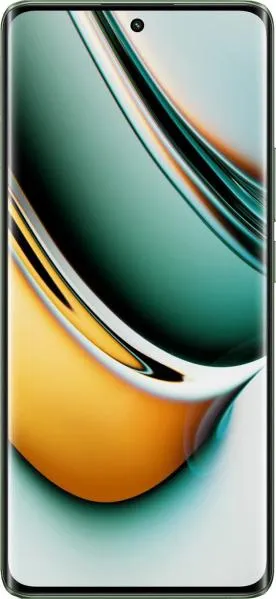

1. Specifications Comparison
| Feature | Realme 11 Pro+ | Huawei Pura 70 | Practical Impact |
|---|---|---|---|
| Design | |||
| Dimensions (mm) | 161.6 x 73.9 x 8.2 | 157.6 x 74.3 x 8.0 | Realme is slightly taller and narrower, but both are similarly thin. Negligible difference in hand feel. |
| Weight (g) | 183 | 207 | Realme is noticeably lighter, reducing hand fatigue during extended use. |
| Display | |||
| Display Type | AMOLED | LTPO OLED | Both offer excellent contrast and deep blacks. Huawei's LTPO panel allows for dynamic refresh rate adjustment, potentially saving battery. |
| Size (inches) | 6.7 | 6.6 | Negligible size difference. |
| Resolution | 1080 x 2412 | 1256 x 2760 | Huawei has a sharper display with higher pixel density, resulting in crisper text and images. |
| Refresh Rate (Hz) | 120 | 120 | Both offer smooth scrolling and animations. |
| Peak Brightness (nits) | 950 | 2500 | Huawei's significantly higher peak brightness ensures better outdoor visibility. |
| Performance | |||
| Chipset | Mediatek Dimensity 7050 (6 nm) | Kirin 9000S1 | Kirin 9000S1 is likely more powerful, but real-world performance depends on optimization. Missing detailed CPU and GPU specs for both limit in-depth analysis. |
| RAM (GB) | 8/12 | 12 | Huawei offers more RAM in this comparison, enabling better multitasking and app switching. |
| OS | Android 13 | Missing | Unknown OS for Huawei severely limits comparison. Inability to assess app ecosystem, security updates, and overall user experience. |
| Camera | |||
| Main Camera (MP) | 200 | 50 | Realme boasts higher megapixel count, but image quality depends on sensor size, processing, and other factors. |
| Aperture | f/1.69 | f/1.4 | Huawei's wider aperture allows for better low-light performance and depth of field control. |
| Other Cameras | 8MP Wide, 2MP Macro | 13MP Wide, 12MP Telephoto | Huawei offers a more versatile camera system with a telephoto lens enabling optical zoom. |
| Battery | |||
| Capacity (mAh) | 5000 | 4900 | Negligible difference in battery capacity. Real-world battery life depends on various factors like display, chipset, and software. |
2. Key Differences Analysis
Realme 11 Pro+ Advantages:
- Lighter Weight: Noticeably more comfortable for extended use.
- Potentially Lower Price: Listed as "medium price" compared to Huawei's.
- Known OS: Android provides a familiar user experience with wide app availability.
Huawei Pura 70 Advantages:
- Sharper Display: Higher resolution and significantly brighter for better visual experience.
- More RAM: Improved multitasking capabilities.
- More Versatile Camera System: Telephoto lens adds optical zoom capability.
- LTPO Display: Potential for better battery life due to dynamic refresh rate.
- Faster USB Data Transfer: USB 3.1 vs USB 2.0 on the Realme.
3. User Profiles & Recommendations
Realme 11 Pro+: Users prioritizing a lightweight phone with a good display and reliable performance at a potentially lower price point. Suitable for everyday tasks, social media, and casual gaming.
Huawei Pura 70: Users who value a premium display, powerful performance, and a versatile camera system, especially for photography enthusiasts. Ideal for demanding tasks, gaming, and content creation. Limited by unknown OS and potential app ecosystem limitations.
4. Decision Framework
Key Questions for Buyers:
- What is your budget? The Realme is likely more affordable.
- What OS are you comfortable with? Huawei's OS is unknown, which is a major consideration.
- What are your primary use cases? Photography enthusiasts might prefer the Huawei, while casual users might find the Realme sufficient.
My Choice:
Given the available information, I would lean towards the Realme 11 Pro+, primarily due to the unknown OS and associated risks with the Huawei Pura 70. While the Huawei boasts impressive hardware on paper, the lack of OS information raises concerns about app availability, security updates, and overall user experience. A superior camera and display are not worth compromising the core functionality and usability of the device. The Realme offers a known and reliable Android experience with a good balance of features at a potentially more affordable price. If more information about the Huawei's OS were available and it proved to be a viable alternative to Android, the decision would be much more difficult.
