1. Specifications Comparison
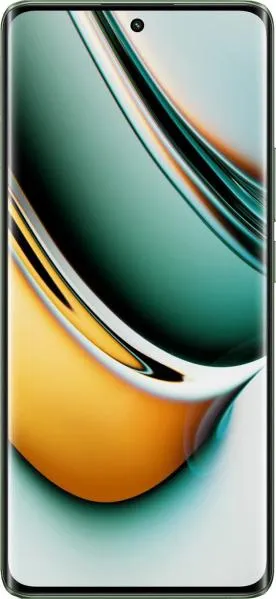
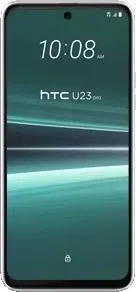
| Feature | Realme 11 Pro+ | HTC U23 Pro | Practical Impact |
|---|---|---|---|
| Design | |||
| Dimensions (mm) | 161.6 x 73.9 x 8.2 | 166.6 x 77.1 x 8.9 | HTC U23 Pro is noticeably larger and thicker. |
| Weight (g) | 183 | 205 | Realme 11 Pro+ is lighter and more comfortable for extended use. |
| Fingerprint Sensor | Under display | Side-mounted | Preference-based; under-display feels more modern. |
| Display | |||
| Display Type | AMOLED, 1B colors | OLED | Realme likely offers more vibrant colors and deeper blacks due to the 1B color AMOLED display. |
| Refresh Rate (Hz) | 120 | 120 | Both offer smooth scrolling and animations. |
| Peak Brightness (nits) | 950 | Not specified | Realme 11 Pro+ should offer better outdoor visibility. Missing brightness spec for HTC limits comparison. |
| Performance | |||
| Chipset | MediaTek Dimensity 7050 (6nm) | Qualcomm Snapdragon 7 Gen 1 (4nm) | Snapdragon 7 Gen 1 generally offers better performance and power efficiency due to the 4nm process. |
| CPU | Octa-core (2x2.6 GHz Cortex-A78 & 6x2.0 GHz Cortex-A55) | Octa-core (1x2.4 GHz Cortex-A710 & 3x2.36 GHz Cortex-A710 & 4x1.8 GHz Cortex-A510) | Snapdragon 7 Gen 1's architecture likely provides a performance advantage in demanding tasks. |
| GPU | Mali-G68 MC4 | Adreno 644 | Adreno 644 generally offers better gaming performance. |
| RAM (GB) | 8/12 | 12 | Both offer ample RAM for multitasking, though Realme offers an 8GB variant as well. |
| Camera | |||
| Main Camera (MP) | 200 | 108 | Realme boasts significantly higher resolution, potentially capturing more detail. However, megapixels alone don't guarantee image quality. |
| Video Recording | Up to 4K@30fps, 1080p@120fps, slow-mo up to 960fps | Up to 4K@30fps, slow-mo up to 120fps | Realme offers more versatile video recording options with higher slow-motion capabilities. |
| Battery | |||
| Capacity (mAh) | 5000 | 4600 | Realme offers longer battery life on a single charge. |
| USB Version | USB Type-C 2.0 | USB Type-C 3.0 | HTC U23 Pro offers faster data transfer speeds. |
2. Key Differences Analysis
Realme 11 Pro+ Advantages:
- Brighter Display: Better outdoor visibility.
- Larger Battery: Longer usage time between charges.
- Higher Resolution Main Camera: Potential for more detailed photos.
- More Versatile Video Recording: Higher frame rates and slow-motion capabilities.
- Lighter and Slimmer: More comfortable for one-handed use and carrying.
HTC U23 Pro Advantages:
- More Powerful Chipset: Better performance in demanding tasks and gaming.
- Faster Data Transfer: USB 3.0 allows for quicker file transfers.
Trade-offs:
- Realme sacrifices processing power for a larger battery and higher resolution camera.
- HTC compromises on battery life and camera resolution for a more powerful processor.
3. User Profiles & Recommendations
Realme 11 Pro+: Ideal for users who prioritize battery life, camera features (especially high-resolution photography and slow-motion video), and a vibrant display. Suitable for social media enthusiasts, casual photographers, and those who consume a lot of media.
HTC U23 Pro: Best suited for users who demand strong performance for gaming, multitasking, and demanding applications. A good choice for mobile gamers and power users.
4. Decision Framework
Key Questions for Buyers:
- What is your budget? The HTC U23 Pro is slightly cheaper.
- What are your primary smartphone usage patterns? (e.g., gaming, photography, social media)
- Which features are most important to you? (e.g., battery life, performance, camera quality)
Scenario-Based Recommendations:
- Heavy gamer on a budget: HTC U23 Pro
- Photography enthusiast who needs all-day battery life: Realme 11 Pro+
- Average user who prioritizes a balance of features: Either phone could be suitable, depending on individual preferences for performance vs. battery life and camera.
My Choice: Realme 11 Pro+
While the HTC U23 Pro offers a performance advantage, the Realme 11 Pro+'s combination of a vibrant AMOLED display, larger battery, superior camera system (especially for video), and lighter weight makes it a more compelling overall package for my needs. I prioritize battery life, a good display, and a versatile camera over raw processing power, making the Realme 11 Pro+ the better fit for my usage pattern. The brighter display is also a significant factor for outdoor use. While the USB 2.0 is slower for data transfer, cloud storage minimizes my reliance on wired transfer. Finally, the price difference is negligible compared to the value gained in other areas.
