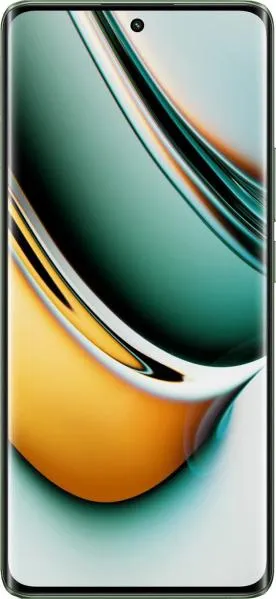

1. Specifications Comparison
| Feature | Realme 11 Pro+ | Google Pixel 8 | Practical Impact |
|---|---|---|---|
| Design | |||
| Dimensions (mm) | 161.6 x 73.9 x 8.2 | 150.5 x 70.8 x 8.9 | Pixel 8 is noticeably smaller and slightly thicker, making it potentially more pocketable but less sleek. |
| Weight (g) | 183 | 187 | Negligible weight difference; both feel similar in hand. |
| Build Material | Not specified | Not specified | Cannot compare without information. |
| Display | |||
| Display Size (inches) | 6.7 | 6.2 | Realme offers a larger screen for more immersive media consumption. Pixel 8's smaller size benefits one-handed use. |
| Resolution (pixels) | 1080 x 2412 | 1080 x 2400 | Virtually identical resolution; sharpness is comparable on both. Realme's slightly taller aspect ratio may provide more vertical scrolling space. |
| Display Type | AMOLED | OLED | Both offer excellent contrast and vibrant colors. Realme's AMOLED might offer slightly deeper blacks. |
| Refresh Rate (Hz) | 120 | 120 | Both offer smooth scrolling and animations. |
| Peak Brightness (nits) | 950 | 2000 | Pixel 8's significantly higher peak brightness ensures better visibility in direct sunlight. |
| Performance | |||
| Chipset | Mediatek Dimensity 7050 (6 nm) | Google Tensor G3 (4 nm) | Tensor G3, built on a smaller process node, is expected to offer better performance and power efficiency. |
| CPU | Octa-core (2x2.6 GHz Cortex-A78 & 6x2.0 GHz Cortex-A55) | Nona-core (1x3.0 GHz Cortex-X3 & 4x2.45 GHz Cortex-A715 & 4x2.15 GHz Cortex-A510) | Pixel 8's more modern CPU architecture, including a powerful Cortex-X3 core, will deliver superior performance in demanding tasks and multitasking. |
| GPU | Mali-G68 MC4 | Immortalis-G715s MC10 | Pixel 8's GPU is expected to provide a significant advantage in gaming and graphics-intensive applications. |
| RAM (GB) | 8 | 8 | Same RAM capacity; multitasking performance should be comparable, though Pixel's superior CPU might offer a slight edge. |
| Camera | |||
| Main Camera (MP) | 200 | 50 | Realme boasts higher resolution, but Pixel's computational photography and advanced sensor often result in better image quality. |
| Ultrawide (MP) | 8 | 12 | Pixel has a higher resolution ultrawide, likely capturing more detail. |
| Selfie Camera (MP) | 32 | 10.8 | Realme offers a higher resolution selfie camera. Pixel relies on processing for selfie quality. |
| Video Recording | Up to 4K@30fps | Up to 4K@60fps | Pixel 8 can record smoother and higher resolution video. |
| Battery | |||
| Capacity (mAh) | 5000 | 4575 | Realme has a larger battery capacity, potentially offering longer battery life. However, real-world usage depends on software optimization and chipset efficiency. |
| Charging Speed | Not specified | Not specified | Cannot compare without specific charging speeds. |
2. Key Differences Analysis
Realme 11 Pro+ Advantages:
- Larger Display: Provides a more immersive experience for media consumption.
- Higher Resolution Main Camera: Potentially captures more detail in ideal lighting conditions.
- Larger Battery: Potentially longer battery life, although real-world results may vary.
Google Pixel 8 Advantages:
- Superior Performance: Tensor G3 chip offers faster processing and better graphics performance.
- Brighter Display: Excellent outdoor visibility.
- Advanced Camera Software: Google's computational photography often produces superior image quality despite lower resolution sensors.
- Longer Software Support: Guaranteed OS updates for several years.
Trade-offs:
- Realme sacrifices performance and camera quality for a larger display and battery.
- Pixel 8 prioritizes performance and camera technology over screen size and battery capacity.
3. User Profiles & Recommendations
Realme 11 Pro+: Ideal for users who prioritize a large display for media consumption and casual gaming, and value battery life over raw performance.
Google Pixel 8: Best suited for users who demand top-notch performance, excellent camera quality, and the latest software features. Good for demanding tasks, gaming, and photography enthusiasts.
4. Decision Framework
Key Questions for Buyers:
- What is your budget? The Pixel 8 is generally more expensive.
- What are your primary smartphone uses? (e.g., media consumption, gaming, photography, productivity)
- How important are software updates and long-term support?
Scenario-Based Recommendations:
- Budget-conscious user focused on media consumption: Realme 11 Pro+
- Power user who demands the best performance and camera: Google Pixel 8
- User who values software updates and a clean Android experience: Google Pixel 8
My Choice: Google Pixel 8
While the Realme 11 Pro+ offers a larger display and potentially longer battery life, the Google Pixel 8's superior performance, significantly brighter display, advanced camera capabilities, and guaranteed long-term software support are more compelling to me. The Tensor G3 chip provides a significant advantage in overall responsiveness and future-proofing. Google's commitment to software updates ensures a longer lifespan and access to the latest features. I prioritize a smooth and powerful user experience, making the Pixel 8 the better choice for my needs.
