
1. Specifications Comparison
| Feature | Realme 11 Pro+ | Asus Zenfone 10 | Practical Impact |
|---|---|---|---|
| Design | |||
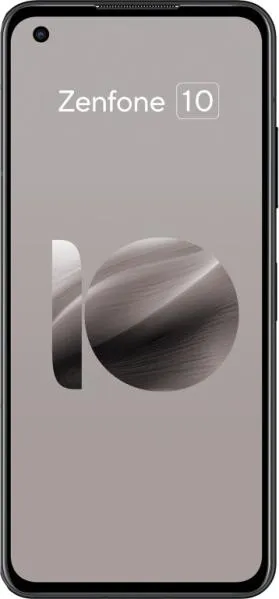
| Dimensions (mm) | 161.6 x 73.9 x 8.2 | 146.5 x 68.1 x 9.4 | Zenfone 10 is significantly smaller and more pocketable. |
| Weight (g) | 183 | 172 | Zenfone 10 is noticeably lighter for more comfortable one-handed use. |
| Fingerprint Sensor | Under display | Side-mounted | Personal preference, side-mounted often provides faster unlock. |
| Display | |||
| Size (inches) | 6.7 | 5.92 | Realme offers a larger screen for media consumption; Zenfone is better for one-handed use. |
| Resolution (px) | 1080 x 2412 | 1080 x 2400 | Negligible difference in sharpness. |
| Refresh Rate (Hz) | 120 | 144 | Zenfone 10's higher refresh rate will result in smoother scrolling and animations, especially noticeable in gaming. |
| Peak Brightness (nits) | 950 | 1100 | Zenfone 10's display will be slightly brighter in direct sunlight. |
| Panel Type | AMOLED | Super AMOLED | Minimal practical difference in quality, both offer vibrant colors and deep blacks. |
| Performance | |||
| Chipset | Mediatek Dimensity 7050 (6 nm) | Qualcomm Snapdragon 8 Gen 2 (4 nm) | Snapdragon 8 Gen 2 provides significantly better performance in demanding tasks like gaming and multitasking. |
| CPU | Octa-core (2x2.6 GHz A78 & 6x2.0 GHz A55) | Octa-core (1x3.2 GHz X3 & ... & 3x2.0 GHz A510) | Zenfone 10's CPU has a more powerful core architecture, leading to faster processing speeds. |
| GPU | Mali-G68 MC4 | Adreno 740 | Adreno 740 offers significantly better gaming performance and graphics rendering. |
| RAM (GB) | 8 (reviewed model) | 8/16 (multiple variants) | Zenfone 10 offers a 16GB RAM option for even more aggressive multitasking. |
| Camera | |||
| Main Camera (MP) | 200 | 50 | Realme boasts higher resolution, Zenfone uses a larger sensor (Sony IMX766) potentially offering better low-light performance and dynamic range. |
| Ultrawide (MP) | 8 | 13 | Zenfone 10 offers a higher resolution ultrawide camera. |
| Video Recording | Up to 4K@30fps | Up to 8K@24fps | Zenfone 10 offers higher resolution video recording capabilities. |
| Gimbal Stabilization | No | Yes (6-axis) | Zenfone 10's gimbal stabilization will result in significantly smoother video footage. |
| Battery | |||
| Capacity (mAh) | 5000 | 4300 | Realme offers a larger battery capacity, potentially leading to longer battery life. Real world usage may vary based on optimization. |
2. Key Differences Analysis
Realme 11 Pro+ Advantages:
- Larger Display: More immersive for media consumption.
- Larger Battery: Potential for longer battery life.
- Higher Resolution Main Camera: Potentially more detail in good lighting conditions. Note: High megapixel count doesn't guarantee better image quality.
Asus Zenfone 10 Advantages:
- Significantly More Powerful: Snapdragon 8 Gen 2 offers superior performance for demanding tasks and gaming.
- Smoother Display: 144Hz refresh rate delivers a more fluid user experience.
- Compact Form Factor: Easier to handle and pocket.
- Superior Video Recording and Stabilization: 8K recording and 6-axis gimbal stabilization.
- Brighter Display: Better visibility in direct sunlight.
3. User Profiles & Recommendations
Realme 11 Pro+: Users prioritizing a large display, long battery life, and a budget-friendly option for general use. Suitable for social media, web browsing, and casual photography.
Asus Zenfone 10: Users prioritizing top-tier performance, a smooth display, a compact size, and excellent video recording capabilities. Ideal for mobile gamers, power users, and content creators.
4. Decision Framework
Key Questions for Buyers:
- What is your budget? Zenfone 10 is more expensive.
- What is your primary use case? (Gaming, media consumption, photography, general use)
- Do you prefer a large screen or a compact phone?
My Choice: Asus Zenfone 10
While the Realme 11 Pro+ offers a larger battery and display, the Asus Zenfone 10's superior performance, compact size, smoother display (144Hz), and advanced camera features (gimbal stabilization, larger sensor) are more compelling to me. The Snapdragon 8 Gen 2 offers a substantial performance advantage which will ensure a smooth and future-proof experience. I value performance, portability, and a high-quality camera, making the Zenfone 10 a better fit for my needs. The price difference is justifiable for the significant jump in overall quality and user experience.
